Why Some Products Are Banned in One Country but Legal in Another
-

- Published Updated
- 3,296 views
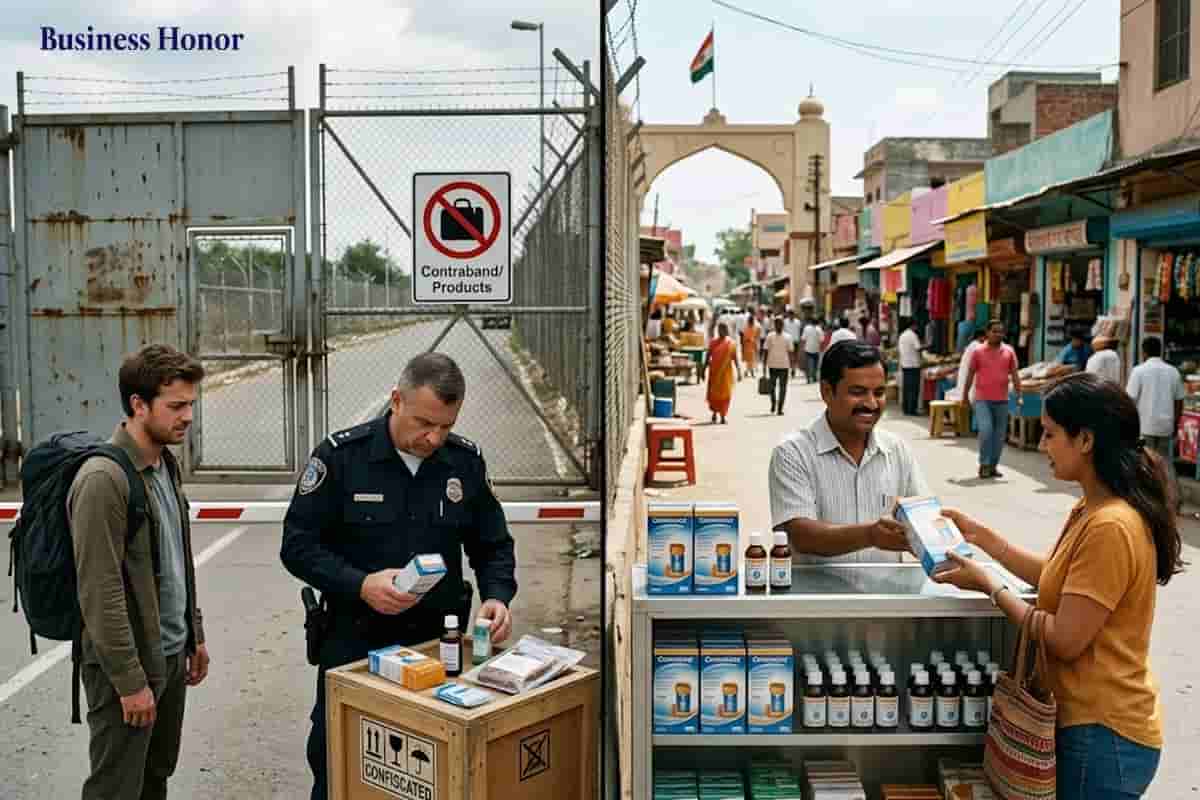
A product can be perfectly legal on store shelves in one country and completely prohibited in another. From food ingredients and medicines to cosmetics, electronics, toys, vehicles, and financial products, governments around the world impose different rules based on safety, health, environmental concerns, cultural expectations, and economic priorities.
This difference can sometimes seem confusing to consumers and businesses. Why would a product approved by regulators in one market be considered unsafe or unacceptable somewhere else? The answer lies in the fact that there is no single global standard for product regulation. Every country develops its own framework based on its risks, resources, scientific assessments, and public policies.
Different Countries, Different Standards
One of the biggest reasons products face different rules is that governments use different safety standards.
A chemical ingredient may be considered safe at a particular concentration in one country but restricted or prohibited in another. Regulators may interpret scientific research differently, or they may apply the precautionary principle more aggressively when there is uncertainty about potential health risks.
Food products are a common example. Certain artificial colors, preservatives, sweeteners, or additives can have different permitted limits depending on the country. A packaged food product that meets regulatory requirements in one market may therefore need to be reformulated before being sold elsewhere.
The same situation can occur with cosmetics. Ingredients commonly found in beauty and personal-care products may be restricted because regulators are concerned about allergies, long-term exposure, environmental effects, or potential toxicity.
Health and Safety Come First
Consumer safety is one of the most important reasons behind product bans.
Governments may prohibit products when evidence suggests that they can cause serious health problems or create unacceptable safety risks. Medicines, medical devices, children's products, and electrical equipment are particularly sensitive categories.
A drug approved in one country may not receive approval in another because regulators may have different requirements for clinical trials, manufacturing standards, labeling, or post-market monitoring.
For consumers, these restrictions can appear inconsistent. However, regulatory approval does not necessarily mean that every country has reached the same conclusion about a product's risk-benefit balance.
Environmental Concerns Can Change the Rules
Environmental policy is another major factor.
Products containing substances that damage ecosystems, contribute to pollution, or increase greenhouse-gas emissions may face restrictions. Governments can introduce bans or phase-outs as part of broader environmental strategies.
For example, certain plastics, refrigerants, chemicals, batteries, and industrial materials have faced tighter regulations in different regions. A product may remain legal in one country while another government chooses to restrict it earlier because of environmental targets.
These differences can create major challenges for international manufacturers. Companies must understand the regulations of every market they enter rather than assuming that approval in one country guarantees access elsewhere.
Culture and Local Preferences Matter Too
Not every product restriction is based solely on scientific evidence.
Cultural values, religious considerations, public sentiment, and national traditions can also influence regulation. A product may be considered ordinary in one market but controversial or unacceptable in another.
This is particularly visible in areas such as food, alcohol, entertainment, advertising, gambling-related services, and consumer products.
Businesses entering international markets therefore need to understand more than just legal requirements. They also need to understand local consumer expectations.
Economic Policies Can Influence Product Availability
Trade and economic policies can also affect whether a product is available.
Governments sometimes impose restrictions to protect domestic industries, respond to trade disputes, control strategic technologies, or reduce dependence on foreign suppliers. In these situations, a product may not necessarily be considered dangerous, but access to the market can still be limited.
Import duties, licensing requirements, certification rules, quotas, and outright restrictions can all influence the availability and price of foreign products.
For businesses, understanding these policies is essential when planning international expansion.
What This Means for Global Businesses
For companies selling products internationally, regulatory differences can significantly increase costs.
A manufacturer may need to change ingredients, packaging, labeling, safety testing, certification, or production processes for different markets. These additional requirements can make international expansion more expensive and time-consuming.
This is particularly important for smaller businesses and startups. A company may successfully develop a product for its domestic market but discover that entering another country requires substantial additional investment.
Businesses that monitor regulatory developments early can gain an advantage by adapting their products before new restrictions take effect.
Platforms such as Business Honor can also help business readers follow developments across industries, markets, regulations, technology, and global commerce. [https://businesshonor.com/2026/08/banned-products-sold-in-other-countries-product-safety-regulations]
Consumers Should Look Beyond the Headlines
When consumers hear that a product is "banned" in another country, it is easy to assume that the product must be dangerous everywhere. However, the reality is often more complicated.
A ban can mean different things. A government may completely prohibit a product, restrict a specific ingredient, limit its use, require warning labels, or allow it only under certain conditions.
Consumers should therefore look at the reason behind a restriction rather than relying solely on the word "banned."
The Future of Product Regulation
As global trade continues to expand, differences in regulations are likely to remain an important issue.
At the same time, international organizations and governments continue working toward greater regulatory cooperation. Harmonized standards can make it easier for businesses to operate across borders while maintaining consumer protections.
Technology may also make regulatory compliance more transparent. Companies can increasingly use digital systems to track ingredients, certifications, supply chains, and changing regulations across multiple countries.
Ultimately, the fact that a product is legal in one country and prohibited in another does not automatically mean that one government is right and the other is wrong. Regulations reflect different approaches to risk, public health, environmental protection, culture, trade, and consumer safety.
For businesses and consumers alike, understanding those differences is becoming increasingly important in an interconnected global economy.