EPR Plastic Compliance in India: A Practical Guide for Businesses
-

- Published Updated
- 105 views
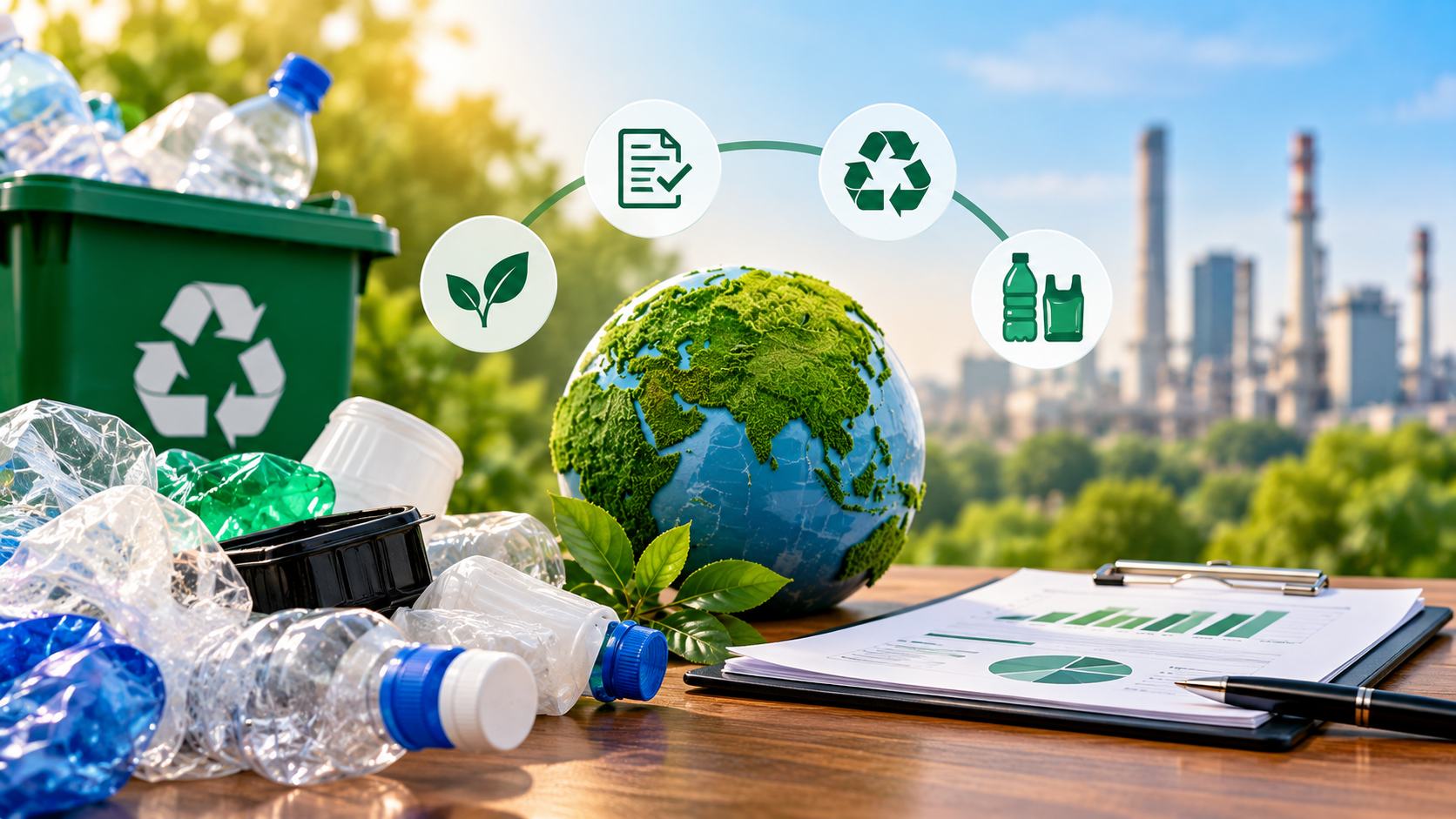
Plastic packaging is part of everyday business, from product wrappers and bottles to shipping materials and containers. But for companies operating in India, using plastic packaging can also bring regulatory responsibilities. Understanding EPR Plastic Registration can help producers, importers, and brand owners identify their obligations and build a more organised approach to Extended Producer Responsibility.
The process becomes easier when businesses treat compliance as an ongoing operational responsibility instead of paperwork that needs attention only near a deadline.
Read More: https://trackepr.com/epr-registration-for-plastic-waste/
Understanding Plastic EPR in India
Extended Producer Responsibility, or EPR, places responsibility for post-consumer plastic packaging waste on businesses covered by India's applicable plastic waste rules.
Depending on the nature of the business and packaging involved, obligations can include registration, maintaining records, meeting EPR targets, obtaining or using applicable certificates, and filing required information through the relevant regulatory system.
Good plastic waste compliance therefore begins with understanding exactly how your business fits within the framework.
Which Businesses Should Review Their Obligations?
Businesses involved in producing, importing, or selling products using plastic packaging should examine whether the rules apply to them.
Producers, Importers and Brand Owners are commonly referred to as PIBOs within the EPR framework.
The first step should not be filling out forms. It should be identifying your company's role and determining which plastic packaging categories are connected with your operations.
Start With Accurate Packaging Data
Imagine a growing consumer-products company that sells several products across India.
The finance team knows the sales figures. Procurement knows how much packaging has been purchased. Logistics has dispatch records. The product team understands packaging specifications.
But nobody has brought that information together specifically for environmental compliance.
When a filing or reporting requirement arrives, the company suddenly has to collect months of information from different departments.
This situation can often be avoided by creating a central packaging-data system.
Build a Plastic Packaging Inventory
Start by listing the plastic packaging associated with your products.
Depending on your operations, useful information may include packaging type, material, quantities, product category, sourcing information, and whether the packaging is connected with imported or domestically produced goods.
Keep supporting records organised alongside the data.
This creates a clearer foundation for plastic waste compliance and makes future reviews easier.
Understand Plastic Packaging Categories
Not all plastic packaging is treated identically.
India's EPR framework distinguishes between categories of plastic packaging, so businesses need to classify the materials they use correctly.
This is one area where guessing can create problems.
Review Packaging Before Classification
Speak with your procurement, manufacturing, packaging, or product teams.
Find out what materials are actually being used rather than relying solely on product names or assumptions.
Technical information from packaging suppliers may also help when confirming material composition.
If your company uses multiple packaging formats, create separate records for each relevant category.
Keep Business Documents Consistent
Compliance applications depend on accurate information.
Company names, registered addresses, authorised persons, business registrations, and other supporting details should be checked for consistency before submission.
Even simple differences in records can create unnecessary confusion.
Create a Central Compliance Folder
Maintain one organised location for documents related to plastic EPR.
This might include company documents, packaging information, registration records, quantity calculations, certificates, correspondence, returns, and other supporting materials relevant to your obligations.
Use clear filenames and organise records by financial year or compliance period.
A structured filing system may seem like a small administrative step, but it can save considerable time later.
Registration Is Only the Beginning
One of the biggest mistakes businesses can make is treating registration as the finish line.
Receiving the required registration does not necessarily mean the company's responsibilities have ended.
Depending on applicable requirements, ongoing obligations may include monitoring EPR targets, maintaining supporting records, managing certificates, submitting returns, and keeping business information updated.
That makes plastic waste compliance a continuing process.
Assign Someone to Own the Process
Every business should have a clearly identified person or team responsible for coordinating EPR activities.
This person does not need to perform every task personally.
Their role is to make sure relevant departments provide information, records remain organised, deadlines are monitored, and external consultants receive accurate data when required.
Without clear ownership, compliance tasks can easily fall between departments.
Create an Internal Compliance Calendar
Deadlines are easier to manage when they are visible months in advance.
Create a calendar containing relevant regulatory dates as well as your own internal deadlines.
Your internal deadline should ideally come before the actual submission date.
Work Backwards From Important Dates
Suppose a regulatory activity must be completed by a particular date.
Do not schedule data collection for the week before.
Instead, work backwards. Allow time for gathering records, checking calculations, resolving discrepancies, preparing documentation, and reviewing the final information.
This reduces the pressure of last-minute submissions.
Common Mistakes Businesses Should Avoid
Waiting Until the Deadline
Last-minute preparation makes missing records and data inconsistencies harder to resolve.
Start early, particularly if information must come from several departments.
Using Unverified Packaging Figures
Do not rely on rough estimates when accurate business records are available.
Establish a repeatable method for collecting and reviewing packaging quantities.
Incorrect Classification
Using the wrong packaging category can affect subsequent compliance work. Confirm classifications carefully.
Losing Historical Records
EPR-related records may be needed again for reporting, internal reviews, or future compliance activities.
Maintain organised digital copies.
Ignoring Changes in Business Operations
Launching new products, changing packaging, increasing imports, or introducing different materials can affect the information used for compliance.
Your system should capture these changes.
How Professional Support Can Help
For businesses managing multiple products or large quantities of packaging, EPR requirements can become difficult to coordinate internally.
Professional compliance support can help companies review applicability, organise documentation, understand procedures, and prepare information for relevant regulatory activities.
However, an external consultant still depends on accurate information from the company.
The strongest approach combines regulatory guidance with good internal record keeping.
Make Plastic Compliance Part of Everyday Operations
A company should not need to reconstruct an entire year's packaging activity every time a regulatory deadline approaches.
Integrate relevant data collection into procurement, production, import, sales, or inventory processes wherever practical.
For example, if packaging quantities are already recorded in procurement systems, determine whether that information can also support your compliance records.
Regular reviews can catch inconsistencies much earlier.
Build a System That Can Grow With Your Business
Plastic EPR becomes easier to manage when the process is repeatable.
Know your business role. Understand the packaging materials associated with your products. Keep quantity records accurate. Maintain supporting documents. Assign responsibility internally and track relevant deadlines.
Most importantly, review your plastic waste compliance process whenever products, packaging materials, suppliers, or business operations change.
A growing company will naturally generate more information. Building an organised compliance system early makes it easier to handle that growth without turning every filing period into a last-minute search for documents and data.