What is ERP? A Complete Guide for Businesses (2026)
-

- May 01st, 2026
- 5,713 views

FREE SEO Topical Map Generator: Find Your Next Content Ideas
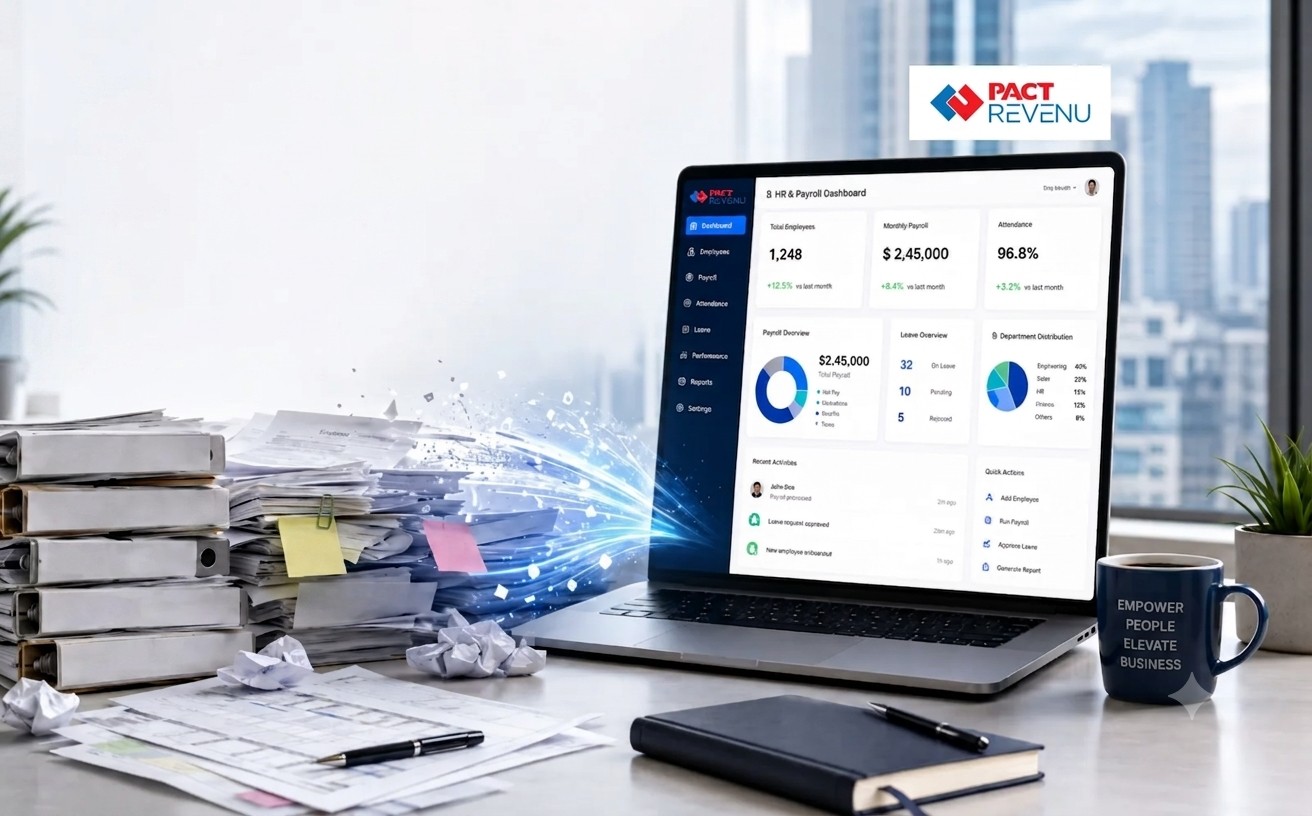
Running a business with disconnected tools costs time and money. When your accounting, inventory, sales, and HR systems don’t communicate, it leads to delays, errors, and missed opportunities. This is where ERP (Enterprise Resource Planning) comes in. An ERP system helps businesses bring all their core operations into one unified platform, improving efficiency, visibility, and decision-making. Whether you're a small business or a growing enterprise, understanding ERP is the first step toward digital transformation.
What is ERP? (Definition & Core Concept)
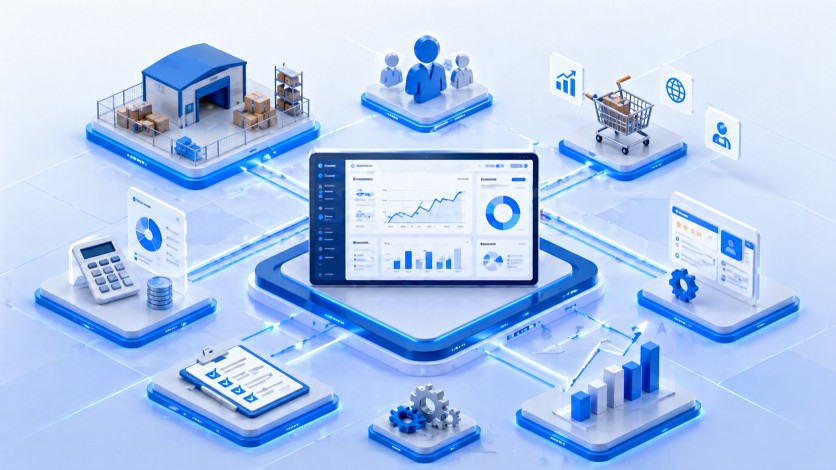
ERP, or enterprise resource planning, is a type of business management software that integrates multiple functions into a single system. Instead of relying on separate tools for accounting, inventory, human resources, and customer management, ERP centralizes all business data and processes into one unified platform. It acts as a single source of truth, ensuring that every department works with accurate, real-time information. This eliminates data silos, improves collaboration, and enables businesses to operate more efficiently and strategically.
How Does an ERP System Work?
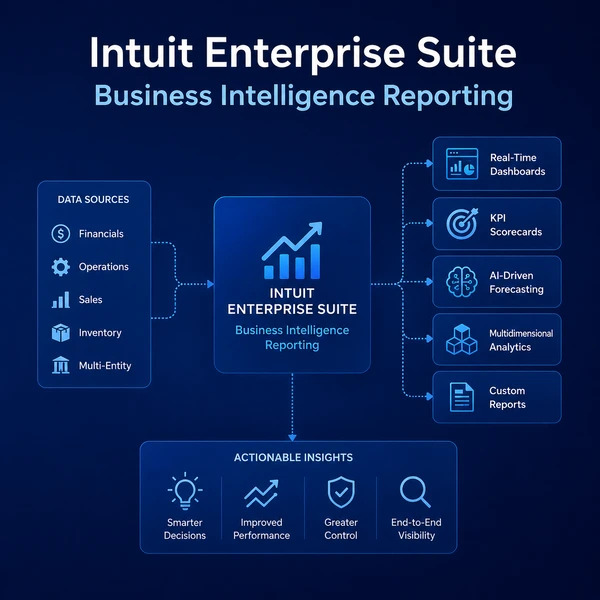
An ERP system works through a centralized database supported by interconnected modules that share information in real time. Each department operates within its own module, but all data is stored and updated within the same system, ensuring consistency across the organization. For example, when a sales order is created, the ERP automatically updates inventory levels, generates an invoice in the accounting system, and triggers the fulfillment process in the warehouse. This seamless integration reduces manual work, minimizes errors, and provides business leaders with real-time insights into operations for better decision-making.
Key Benefits of ERP for Businesses
Implementing an ERP system provides significant advantages that directly impact business performance. It improves efficiency by automating repetitive tasks and streamlining workflows across departments, allowing teams to focus on higher-value activities. Data accuracy is enhanced since all information is centralized, reducing duplication and human errors. ERP systems also support better decision-making by providing real-time analytics and reporting tools. As businesses grow, ERP solutions scale easily to accommodate new users, processes, and locations. Additionally, they help maintain compliance with financial and regulatory requirements while offering advanced reporting capabilities for performance tracking and forecasting. These ERP system benefits make it an essential tool for modern businesses.
Types of ERP Systems
There are several types of ERP systems designed to meet different business needs. On-premise ERP systems are installed on company servers and offer complete control over data and customization, but they require higher upfront costs and ongoing maintenance. Cloud ERP solutions, also known as SaaS, are hosted online and provide flexibility, lower initial investment, and automatic updates, making them ideal for growing businesses. Hybrid ERP combines both approaches, allowing companies to keep sensitive data on-premise while leveraging cloud capabilities. Industry-specific ERP systems are tailored for particular sectors such as manufacturing, retail, or healthcare, offering specialized features that align with unique business processes. Understanding cloud ERP vs on-premise options is crucial when selecting the right solution.
Common ERP Modules (with Examples)
ERP systems consist of multiple modules that handle various business functions while working together as an integrated system. The finance and accounting module manages financial transactions, budgeting, and reporting, ensuring accurate financial control. Human resources modules handle employee data, payroll, recruitment, and performance management. Supply chain management modules track inventory, procurement, and supplier interactions to ensure efficient operations. Manufacturing modules support production planning, bill of materials, and quality control processes. Customer relationship management modules help manage leads, sales pipelines, and customer interactions, while e-commerce modules integrate online sales channels with inventory and order management. Together, these modules create a unified ecosystem that enhances operational efficiency.
Signs Your Business Needs an ERP
Businesses often realize the need for an ERP system when operational inefficiencies start affecting performance. If your organization relies heavily on spreadsheets for daily operations, struggles with scattered data across multiple systems, or faces delays in generating accurate reports, it may be time to consider ERP. Frequent inventory errors, lack of visibility into business performance, and excessive manual processes are also clear indicators. These challenges not only slow down productivity but also increase the risk of costly mistakes, making ERP a valuable solution for streamlining operations.
ERP Implementation Steps (Simplified)
Implementing an ERP system requires a structured approach to ensure success. The process begins with discovery and requirement analysis, where businesses identify their needs and challenges. This is followed by vendor selection to choose the most suitable ERP solution. Planning and design come next, where workflows, timelines, and project scope are defined. Data migration involves transferring existing data into the new system, ensuring accuracy and consistency. Testing is conducted to verify that the system functions as expected, followed by employee training to ensure effective usage. Finally, the system goes live with ongoing support to address any issues and optimize performance. Following these ERP implementation steps ensures a smooth transition and maximizes return on investment.
ERP Costs & ROI Considerations
The cost of implementing an ERP system varies depending on factors such as software licensing, customization, implementation, and training. Cloud ERP solutions typically have lower upfront costs and operate on a subscription basis, while on-premise systems require a larger initial investment for infrastructure and maintenance. Despite the costs, ERP should be viewed as a long-term investment rather than an expense. By improving efficiency, reducing manual work, and minimizing errors, businesses can achieve significant cost savings over time. Enhanced productivity, better decision-making, and improved operational control contribute to a strong return on investment.
Conclusion
ERP has become a necessity for businesses aiming to grow efficiently in a competitive market. By integrating all core functions into a single platform, ERP systems improve productivity, enhance visibility, and enable smarter decision-making. Businesses that continue to rely on disconnected tools risk falling behind, while those adopting ERP gain a significant competitive advantage. Now is the right time to explore how ERP can transform your operations and support long-term growth.