Ethereum vs Layer-2 Networks for dApp Deployment
-

- March 25th, 2026
- 7,368 views
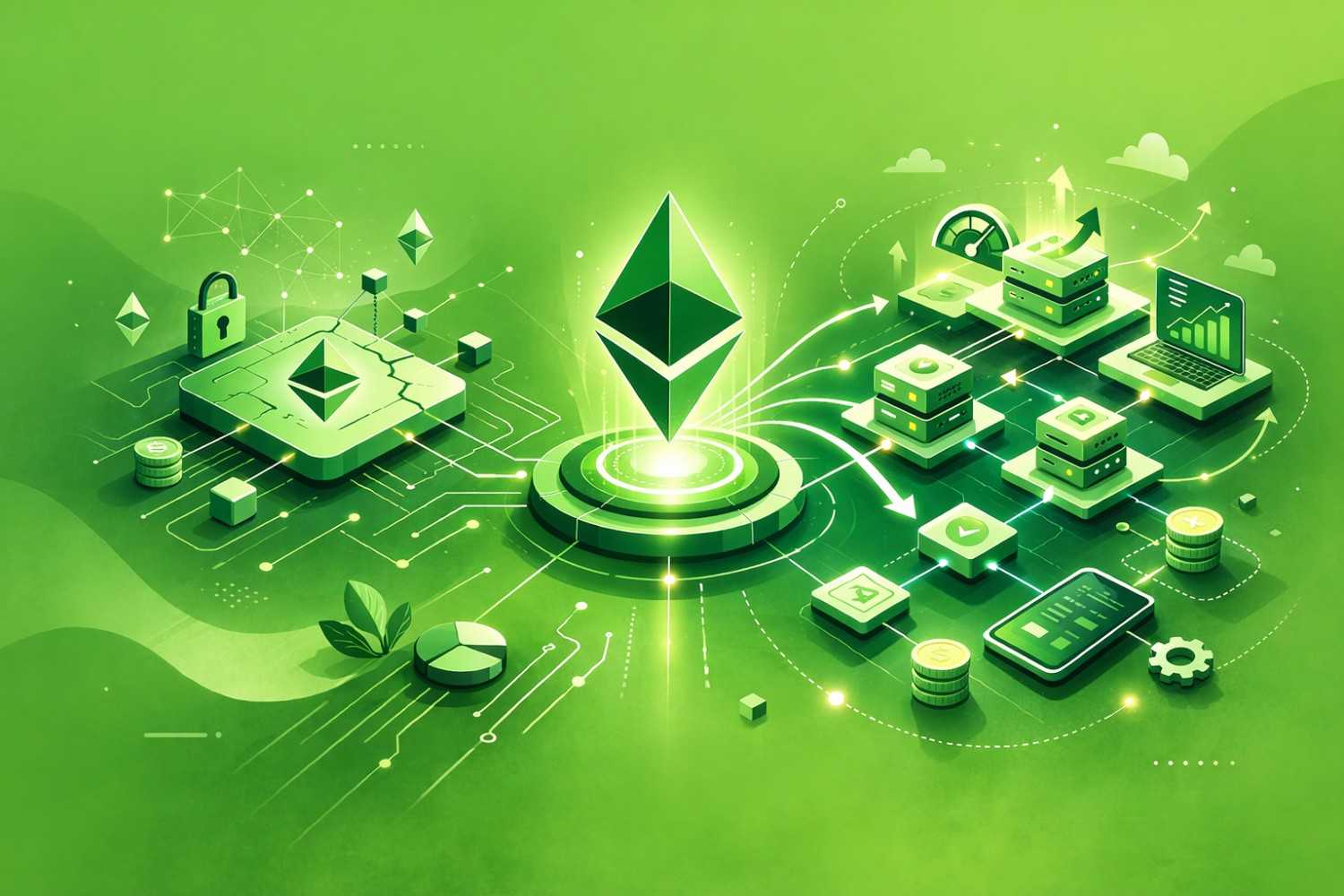
As Web3 adoption accelerates, businesses entering the decentralized ecosystem face a foundational decision: should you build directly on Ethereum (Layer-1), or leverage a Layer-2 scaling network?
This is not just a technical preference. It is a strategic infrastructure decision that influences transaction costs, scalability, user experience, security architecture, and long-term growth potential. In modern dapp development, choosing the right blockchain layer is as critical as designing secure smart contracts or defining a sustainable token model.
Ethereum remains the most established smart contract platform, trusted for its decentralization and security. However, as network demand increases, challenges like gas fees and congestion can affect performance and affordability. On the other hand, Layer-2 networks aim to enhance scalability and reduce costs while still benefiting from Ethereum’s underlying security.
Understanding the difference between Layer-1 and Layer-2 is essential before writing a single line of code. The infrastructure you choose today will directly shape how your decentralized application performs tomorrow.
Let’s break down both options in a simple and practical way.
Understanding Ethereum for dApp Deployment
Ethereum is the foundation of most decentralized applications today. Supported by the Ethereum Foundation, Ethereum introduced smart contracts and enabled the entire DeFi and NFT ecosystem. In ethereum dapp development, developers deploy smart contracts directly on the Layer-1 blockchain. This provides: High decentralizationStrong security A massive global developer ecosystem Proven infrastructure for financial-grade applications
However, Ethereum has limitations. Since all transactions are processed on-chain, high demand leads to network congestion. This results in: Expensive gas fees Slower confirmation times Limited scalability for high-traffic apps
For projects expecting large user volumes, these challenges can affect user experience and growth.
What Are Layer-2 Networks?
Layer-2 networks are built on top of Ethereum to solve its scalability issues. These are commonly known as layer 2 scaling solutions because they process transactions more efficiently while still relying on Ethereum’s security.
Popular Layer-2 platforms include: Arbitrum Optimism zkSync Polygon
These networks either bundle multiple transactions together or process them off-chain before submitting final data to Ethereum. The result is significantly lower fees and faster transactions.
For businesses focused on scalability, Layer-2 has become a practical solution for efficient dapp deployment.
Key Differences Between Ethereum and Layer-2
Ethereum operates as the base blockchain where every transaction is validated on-chain. This ensures maximum security and decentralization but increases costs when network activity is high.
Layer-2 networks, on the other hand, reduce congestion by handling most activity outside the main chain. They inherit Ethereum’s security model but optimize performance and cost efficiency.
In simple terms: Ethereum prioritizes security and decentralization. Layer-2 prioritizes scalability, speed, and affordability.
Both approaches serve different business needs.
When Should You Choose Ethereum?
Ethereum is ideal if your application: Handles high-value transactions Requires institutional-grade trust Operates in the DeFi or enterprise sector Prioritizes maximum decentralization
Many financial platforms still prefer Ethereum for direct deployment because of its maturity and credibility in the blockchain space.
When Should You Choose Layer-2?
Layer-2 is better suited if your project:Expects heavy user traffic Requires low transaction fees Focuses on gaming, NFTs, or social applications Needs faster confirmation times
For startups aiming at mass adoption, Layer-2 networks make dapp development more user-friendly and scalable.
Cost Considerations in dApp Deployment
Cost is one of the biggest factors in infrastructure decisions.
Deploying directly on Ethereum can involve higher smart contract deployment costs and ongoing transaction fees. If your application processes frequent micro-transactions, expenses can rise quickly.
Layer-2 networks significantly reduce these operational costs, making them attractive for businesses that need efficiency without sacrificing blockchain security.
A professional dapp development company can analyze your use case and recommend the most cost-effective architecture for long-term sustainability.
Security and Long-Term Strategy
Ethereum provides native Layer-1 security backed by thousands of validators worldwide. Layer-2 solutions inherit this security but may introduce bridge mechanisms that require careful auditing and smart contract optimization.
Choosing the right infrastructure is not just about performance today. It is about scalability, cost management, and security over the next five to ten years.
Reliable dapp development services ensure:Smart contract optimization Gas-efficient coding Secure cross-layer integration
Scalable architecture planning
Final Verdict
There is no universal winner between Ethereum and Layer-2 networks.
Choose Ethereum if your priority is security, decentralization, and long-term credibility.
Choose Layer-2 networks if you need scalability, affordability, and better user experience.
In many cases, businesses adopt a hybrid strategy by keeping core contracts on Ethereum while using Layer-2 for high-volume transactions.
Ultimately, successful dapp deployment depends on aligning your technical infrastructure with your business goals. Making the right decision at the start of your dapp development journey can define your application’s growth and performance in the evolving Web3 ecosystem. For more details visit here :- https://www.nadcab.com/top-dapp-developers