Choosing Safe Skin Whitening Treatments in Islamabad: A Dermatologist’s Guide
-

- March 18th, 2026
- 241 views

Get a free topical map and start building content authority today.
Introduction
Interest in skin whitening in Islamabad often leads patients to clinics, salons, and online products. Clear information about safe medical options, realistic outcomes, and documented risks is essential before pursuing treatment. This guide explains the clinical approach, treatment choices, and how to choose a qualified dermatologist in Islamabad.
- Seek a licensed dermatologist for diagnosis and prescription treatments.
- Understand topical, chemical, and device-based options and their trade-offs.
- Use the DERM-SAFE checklist before committing to any plan.
- Avoid unregulated products (mercury or unapproved compounds) — official warnings exist.
Detected intent: Commercial Investigation
What is clinically meant by skin whitening in Islamabad?
In a medical context, skin whitening refers to treatments aimed at reducing hyperpigmentation, evening skin tone, or lightening localized dark spots. Common conditions treated include melasma, post-inflammatory hyperpigmentation, lentigines (sun spots), and chemical-induced darkening. Treatments range from topical prescription agents to in-clinic procedures performed by a dermatologist.
Treatment categories for skin whitening in Islamabad
Topical prescription agents
Prescribed creams may include hydroquinone (short-term), retinoids, azelaic acid, kojic acid, and combination formulas. Appropriate diagnosis and supervised duration of use are critical to avoid side effects like irritation or paradoxical darkening.
Procedural treatments
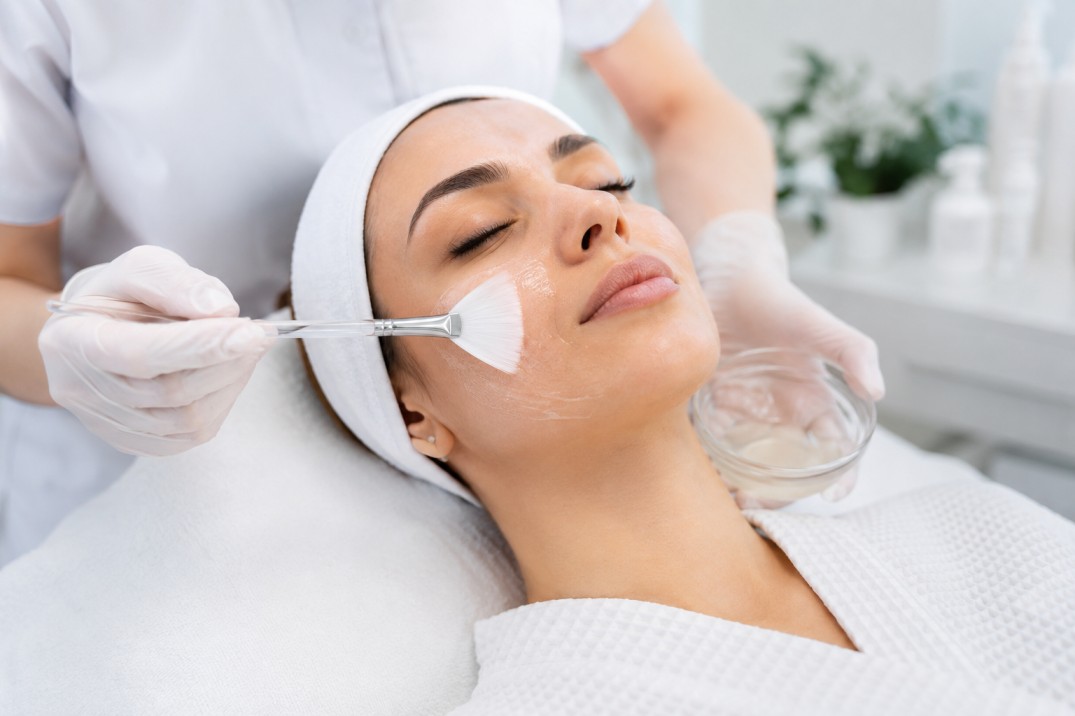
Clinic-based options include chemical peels (glycolic, salicylic, TCA), microdermabrasion, and selected laser or intense pulsed light (IPL) therapies. These procedures require assessment of skin type (Fitzpatrick scale), darker-skin precautions, and post-procedure sun protection to avoid worsening pigmentation.
Over-the-counter products and risks
Over-the-counter creams, lightening soaps, and imported formulations carry variable ingredient lists. Products containing mercury or unapproved corticosteroids present serious health risks. Official bodies warn against such substances — see the World Health Organization guidance on harmful skin-lightening products (WHO: Skin-lightening products).
How to choose a dermatologist in Islamabad
Choosing a qualified practitioner reduces risk and improves outcomes. Look for a board-certified dermatologist or a physician registered with the Pakistan Medical Commission (PMC) and a clinic with documented safety protocols.
Red flags to avoid
- No formal medical registration or visible credentials.
- Guarantees of permanent lightening with a single product or session.
- Use of unlabelled, imported creams or on-site mixing without prescriptions.
DERM-SAFE checklist (named framework)
The DERM-SAFE checklist helps evaluate any proposed skin whitening plan before starting treatment.
- Diagnosis: Confirm the cause of pigmentation with clinical exam and, if needed, Wood's lamp or dermoscopy.
- Explain options: Request written explanations of benefits, risks, and expected timeline.
- Registered provider: Verify physician registration and clinic hygiene standards.
- Medication review: Check ingredient lists for mercury, high-dose steroids, or non-approved agents.
- Sample patch test: Ask for a patch test for topical agents or downgraded test procedure for devices.
- Aftercare plan: Ensure sun protection and follow-up schedule are included.
- Frequency & consent: Obtain informed consent and a clear plan on session frequency and stopping rules.
- Evaluate results: Schedule outcome reviews and photographic records.
Real-world scenario
Case: A 32-year-old patient with facial melasma consults an Islamabad dermatologist. After diagnosis, the clinician prescribes a 12-week combination topical regimen (low-dose hydroquinone + retinoid + sunscreen), schedules a single gentle chemical peel, and sets three monthly follow-ups to monitor response and side effects. Sunscreen and a tinted protective moisturizer are recommended to prevent relapse. Outcome: noticeable lightening without complications because of supervised use and incremental steps.
Practical tips for safe treatment
- Always get a written treatment plan and estimate before starting.
- Request before-and-after photos taken under consistent lighting and camera settings.
- Use broad-spectrum sunscreen (SPF 30+) daily and reapply — UV exposure reverses improvements.
- Insist on ingredient disclosure for any topical product used; avoid products with mercury or unknown steroids.
- Allow sufficient time (8–12 weeks) to judge topical treatments before escalating to more invasive procedures.
Common mistakes and trade-offs
Common mistakes
- Using potent bleaching creams without medical supervision — can cause ochronosis or steroid addiction.
- Relying on unverified online sellers for “fast results” creams.
- Skipping patch tests for chemical peels or compounded prescriptions.
Trade-offs to consider
Topical therapies are lower-risk and slower; lasers and peels can be faster but carry higher risk of rebound pigmentation in darker skin types. Choosing between gradual improvement with low side-effect risk or faster results with higher monitoring needs is a personal medical decision best made with a dermatologist.
Core cluster questions
- What does a dermatologist evaluate before starting skin lightening?
- Which prescription creams are used for melasma and hyperpigmentation?
- How to verify a skin clinic's credentials in Islamabad?
- What are safe aftercare steps following a chemical peel or laser?
- When should treatment be paused because of side effects?
FAQ
Is skin whitening in Islamabad safe when done by a licensed dermatologist?
When a licensed dermatologist conducts diagnosis, prescribes approved treatments, and provides follow-up care, skin whitening procedures and topical regimens can be performed with managed risk. Safety depends on accurate diagnosis, appropriate choice of therapy for skin type, and adherence to aftercare such as sun protection.
How long before visible improvement appears?
Topical prescription regimens typically require 8–12 weeks to show significant improvement. Chemical peels or laser sessions may show faster visible changes but often need multiple sessions and strict post-procedure care.
Are there harmful ingredients to avoid?
Avoid products containing mercury, high-dose unprescribed corticosteroids, or unlabelled compounds. These can cause systemic toxicity, skin thinning, or paradoxical darkening. Official advisories exist from health organizations warning against unsafe formulations.
How to check a dermatologist's credentials in Islamabad?
Ask for the physician's registration number and verify it through the Pakistan Medical Commission (PMC) or regional medical bodies. Confirm clinic hygiene, licensure, and availability of proper consent procedures and emergency protocols.
Can results be maintained long-term?
Maintenance typically requires ongoing sun protection, periodic topical maintenance therapy, and lifestyle adjustments (avoid tanning and certain medications that exacerbate pigmentation). Regular dermatology follow-ups help detect relapse early and adjust treatment safely.