Product Fall Protection Systems Market Outlook: Safety Innovation, Digitalization, and Expanding Industry Applications
-

- Published Updated
- 3,943 views
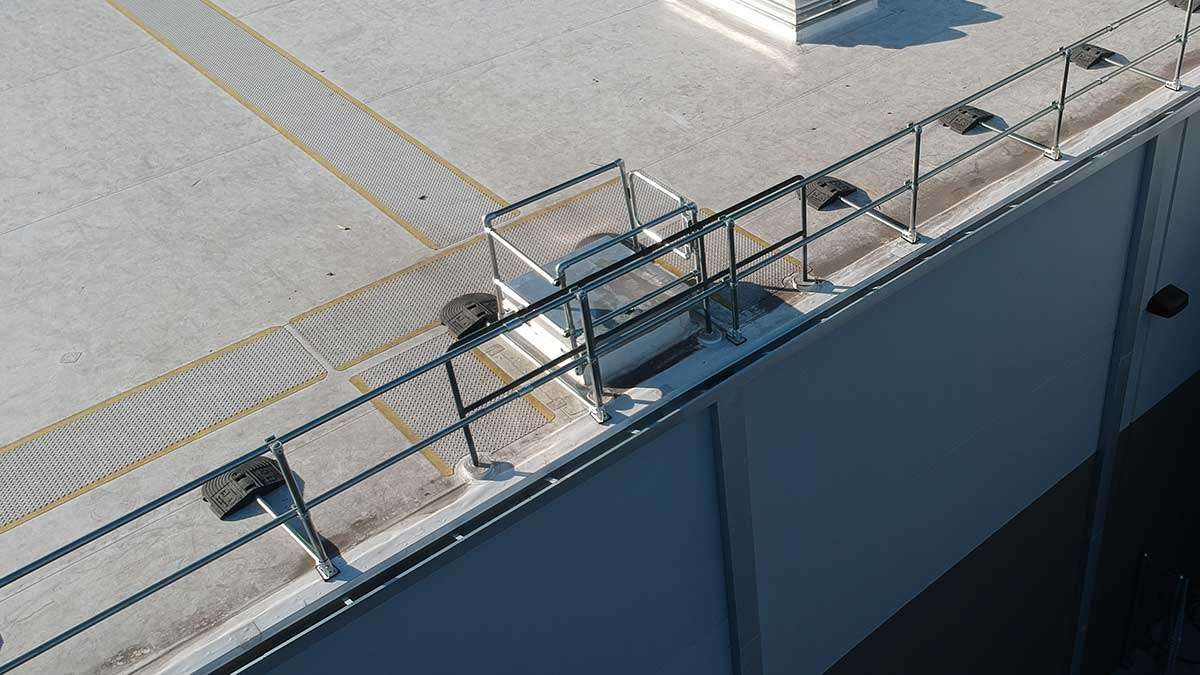
The product fall protection systems market is positioned for continued development as organizations across construction, infrastructure, telecommunications, renewable energy, utilities, manufacturing, and industrial maintenance strengthen workplace safety programs. Work-at-height activities remain common across these industries, creating ongoing requirements for reliable equipment, engineered systems, training, inspection, and rescue capabilities.
The product fall protection systems market outlook is increasingly shaped by product innovation, worker comfort, regulatory awareness, digital equipment management, infrastructure investment, and the expansion of industries that require specialized work-at-height solutions.
The market is gradually moving beyond basic personal protective equipment toward integrated safety systems that combine physical protection with engineering and digital services.
Construction Remains a Core Application
Construction is expected to remain a major source of demand.
Workers frequently operate on rooftops, scaffolding, structural frameworks, elevated platforms, and unfinished buildings.
Projects may require a combination of harnesses, lanyards, anchors, lifelines, guardrails, positioning systems, and self-retracting devices.
As construction practices become more sophisticated, contractors are likely to place greater emphasis on equipment that is easy to install, comfortable, durable, and adaptable to changing worksite conditions.
The growing use of specialized infrastructure and complex building designs can also create opportunities for engineered protection systems.
Infrastructure Modernization Supports Demand
Infrastructure development and maintenance are expected to provide long-term opportunities.
Bridges, rail systems, utility structures, transportation facilities, public buildings, and industrial assets require regular inspection and maintenance.
Many of these activities involve elevated access and require permanent or temporary protection systems.
Engineered anchors, horizontal lifelines, vertical systems, guardrails, and customized access solutions can help address these needs.
Modernization programs may also encourage replacement of outdated equipment with newer systems offering improved usability and performance.
Renewable Energy Creates Specialized Opportunities
Renewable energy is becoming an increasingly important application area.
Wind turbines require technicians to climb and work at substantial heights during inspection, repair, and maintenance.
Solar installations can also involve elevated construction and servicing activities.
These environments require specialized equipment for climbing, positioning, fall arrest, and rescue.
Manufacturers are likely to continue developing solutions tailored to renewable energy applications, particularly where equipment must operate in remote locations or challenging environmental conditions.
Digitalization Changes Equipment Management
Digital technology is expected to play a larger role in the market.
Organizations with large equipment inventories need efficient methods for inspection, maintenance, tracking, and replacement planning.
Digital platforms can help safety teams record inspection results, maintain equipment histories, schedule reminders, and monitor asset status.
Mobile applications can allow inspections to be completed directly at worksites.
Connected asset management may become increasingly valuable for organizations operating across multiple facilities or projects.
Ergonomics Will Remain Important
Worker comfort is expected to influence future product development.
Fall protection equipment can be worn for extended periods, making weight distribution, ventilation, adjustability, and freedom of movement important factors.
Manufacturers are developing lighter and more ergonomic harnesses and associated equipment.
Improved comfort can increase worker acceptance and encourage consistent use.
The challenge will remain balancing comfort with strength, durability, environmental resistance, and required safety performance.
Specialized Products Will Expand
Different industries have different work-at-height requirements.
Telecommunications towers, wind turbines, industrial rooftops, bridges, warehouses, and construction sites can require distinct equipment configurations.
The market is therefore likely to see continued development of application-specific harnesses, anchors, lifelines, connectors, positioning systems, and rescue equipment.
Customization can allow manufacturers to address specialized hazards and strengthen relationships with professional users.
Rescue Systems Gain Greater Attention
Fall arrest is only one part of an effective work-at-height safety strategy.
Organizations also need to consider how a worker will be recovered after a fall.
Portable rescue kits, retrieval systems, descent devices, evacuation equipment, and emergency response tools can complement fall protection equipment.
Demand for integrated rescue solutions may increase as companies adopt more comprehensive safety programs.
Training and Service Opportunities
Training is expected to remain an important supporting activity.
Workers need practical knowledge about fitting, inspection, anchorage, connections, limitations, and emergency procedures.
Manufacturers can differentiate themselves through training programs, digital learning tools, demonstrations, technical documentation, and site-specific support.
Lifecycle services can provide additional opportunities.
Inspection, maintenance, equipment management, replacement planning, and technical consulting can create ongoing customer relationships beyond the initial product purchase.
Sustainability and Lifecycle Value
Sustainability considerations may increasingly influence purchasing decisions.
Customers can evaluate product durability, material efficiency, packaging, production practices, and replacement frequency.
Longer-lasting equipment can potentially reduce waste and improve lifecycle economics.
Manufacturers may focus on durable materials, efficient production, optimized packaging, and improved product lifecycle management.
Sustainability can become particularly relevant for large infrastructure, construction, and corporate procurement programs.
Competitive Outlook
Competition is likely to increasingly focus on total value rather than basic product availability.
Customers may compare suppliers based on product quality, comfort, customization, technical expertise, digital capabilities, delivery reliability, training, engineering support, and lifecycle services.
Companies offering integrated solutions can potentially differentiate themselves from suppliers focused only on individual equipment categories.
Partnerships with contractors, engineering firms, distributors, renewable energy developers, infrastructure operators, and industrial companies may also strengthen market access.
Future Direction
The market is likely to become increasingly connected, specialized, and service-oriented.
Physical protection equipment will continue to form the foundation, while digital tools can improve inspection, asset management, and maintenance planning.
Advanced materials and ergonomic engineering may make products lighter and more comfortable.
At the same time, renewable energy, infrastructure, telecommunications, and industrial applications can generate demand for specialized solutions.
Manufacturers that successfully combine equipment, engineering, training, digital management, and lifecycle services can be well positioned to respond to changing customer expectations.
The product fall protection systems market outlook remains closely connected with workplace safety requirements, construction activity, infrastructure development, renewable energy expansion, and industrial modernization.
Future growth opportunities are likely to extend beyond conventional harnesses and lanyards toward engineered systems, ergonomic equipment, digital inspection, connected asset management, specialized solutions, and integrated rescue capabilities.
As organizations seek more reliable and comprehensive approaches to work-at-height safety, innovation, technical expertise, worker comfort, and lifecycle support will remain important factors shaping the market's future direction.
Written as- https://www.pristinemarketinsights.com/product-fall-protection-systems-market-report