Fat Grafting in Dubai: Complete Guide to Procedure, Safety, and Recovery
-
- February 23rd, 2026
- 1,545 views
Fat grafting in Dubai has become an increasingly requested option for facial rejuvenation, body contouring, and reconstructive procedures. This guide explains how fat grafting works, who may be a candidate, what to expect before and after treatment, and how regulation and clinic quality affect outcomes.
Fat grafting in Dubai: what it is and how it works
Definition and common uses
Fat grafting, also called autologous fat transfer, uses a patient’s own adipose tissue to add volume or correct contour irregularities. Typical applications include facial volume restoration, breast and buttock augmentation, scar revision, and correcting defects after trauma or surgery.
Basic procedure steps
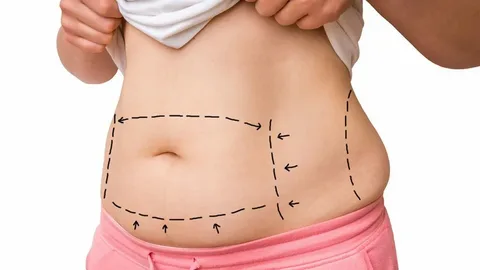
The procedure commonly follows three steps: (1) harvesting fat via minimally invasive liposuction from donor sites such as the abdomen or thighs; (2) processing the fat to remove excess fluid and damaged cells; (3) injecting small aliquots of fat into the recipient site using specialized techniques to maximize graft survival.
Who may be a candidate
General candidate profile
Suitable candidates are adults with realistic expectations who have sufficient donor fat and are in generally good health. Smoking and certain medical conditions can increase complication risk and affect graft survival.
Assessment and consultation
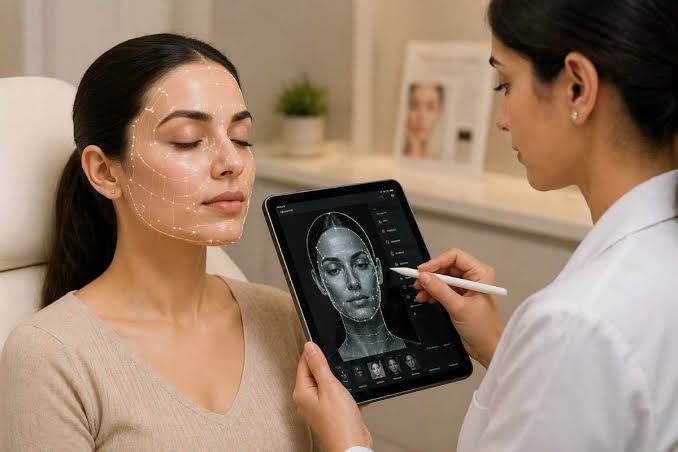
A preoperative assessment should include medical history, an examination of donor and recipient sites, discussion of goals, and review of possible outcomes and limitations. Surgeons will consider factors such as skin quality, prior surgeries, and overall health.
Procedure setting, licensing, and safety in Dubai
Regulation and clinic standards
Facilities offering fat grafting should be licensed by relevant Dubai health regulators. The Dubai Health Authority and other local health regulators set clinical and safety standards for surgical procedures and facility accreditation. Patients are encouraged to verify a clinic’s licensing and a surgeon’s board qualification before proceeding. For official information about facility regulation in Dubai, refer to the Dubai Health Authority website: Dubai Health Authority.
Safety practices and evidence
Best-practice techniques include sterile operating conditions, atraumatic fat harvesting, gentle processing, and microinjection methods. Peer-reviewed literature in journals such as Aesthetic Surgery Journal and resources indexed by PubMed provide data on outcomes, graft survival rates, and complication profiles.
Recovery, results, and follow-up care
Typical recovery timeline
Recovery varies by extent of treatment. Mild swelling and bruising commonly resolve within 1–3 weeks. Final volume and contour may continue to evolve over several months as grafted fat establishes blood supply. Multiple sessions may be needed to achieve the desired volume if a portion of the graft does not survive.
Aftercare and monitoring
Postoperative instructions often include activity restrictions, wound care, and scheduled follow-up visits to monitor healing and detect any complications early. Imaging or clinical examinations may be used to assess graft retention over time.
Risks, complications, and how they are managed
Common and uncommon risks
Risks include infection, bleeding, oil cysts, fat necrosis, asymmetry, and undercorrection. Rare but serious complications, such as fat embolism, have been reported with certain high-volume injections—understanding technique and anatomical risk zones is essential to reduce these events.
Risk reduction and informed consent
Risk reduction strategies include selecting a qualified surgeon, using conservative injection volumes per session, and following postoperative guidance. Surgeons should provide clear informed consent that outlines potential benefits, limitations, and alternatives.
Cost considerations and practical planning
Cost factors
Costs vary with the complexity of treatment, facility fees, anesthesia, and surgeon experience. Geographic factors and clinic reputation in Dubai can also influence price. Costs should be discussed upfront; financing options may be available through clinics but are not a recommendation or endorsement.
Scheduling and travel
For residents and international visitors, planning should include time for preoperative consultation, the procedure itself, and an appropriate recovery period. Travel immediately after surgery is generally not advised until initial healing has occurred.
Choosing a clinic and questions to ask
Key credentials and verifications
Confirm that the facility is licensed by local health authorities and that the surgeon has recognized training in plastic, reconstructive, or aesthetic surgery. Inquiry about complication rates, before-and-after photos, and patient references can aid decision-making.
Questions to ask during consultation
- What are the surgeon’s qualifications and experience with fat grafting?
- What technique will be used for harvesting and injection?
- What are realistic expectations for results and possible need for touch-up sessions?
- What is the facility’s accreditation and emergency plan?
FAQ
What is fat grafting in Dubai and what does the process involve?
Fat grafting in Dubai follows the same clinical steps used internationally: harvesting, processing, and reinjection of autologous fat. The specific protocol and aftercare are discussed during a consultation and depend on the treatment area and patient factors.
How long do results usually last?
Results can be long-lasting when a portion of the grafted fat survives long term, but some resorption is common. Final outcomes typically stabilize within 3–6 months. Maintenance or additional sessions may be required for some patients.
Are there non-surgical alternatives to fat grafting?
Non-surgical options for volume enhancement include dermal fillers and certain minimally invasive devices. These alternatives have different indications, longevity, and risk profiles and may be discussed as part of a treatment plan.
How to verify a clinic’s safety and a surgeon’s credentials?
Verify a clinic’s license with local health authorities, request surgeon credentials and specialty training, and ask about facility accreditation and complication reporting. Trusted regulators and professional societies provide guidance on standards of care.