Fat-Melting Injections in Dubai: Safe Options to Eliminate Stubborn Fat Pockets
-

- February 23rd, 2026
- 1,367 views
Fat melting injections in Dubai are a non-surgical body contouring option used to reduce small, localized fat pockets that do not respond to diet and exercise. These injections aim to dissolve fat cells through substances that promote lipolysis (fat breakdown) or trigger cellular disruption, after which the body gradually clears the debris. Information below summarizes common techniques, candidacy, procedure steps, expected results, and safety considerations for people exploring this treatment in the United Arab Emirates.
- Fat melting injections target small, resistant fat deposits such as under the chin, bra roll, or inner thighs.
- Active agents used include deoxycholic acid formulations and other lipolytic mixtures; technique and regulation vary by jurisdiction.
- Suitable candidates are generally near their ideal weight with localized pockets of fat and realistic expectations.
- Consult a licensed dermatologist, plastic surgeon, or qualified aesthetic practitioner registered with local health authorities before treatment.
What are fat melting injections and how do they work?
Fat melting injections are minimally invasive treatments designed to reduce small areas of subcutaneous fat. Common mechanisms include chemical lipolysis—where an injected compound (for example, deoxycholic acid in some products) disrupts fat cell membranes—and enzymatic or phospholipid-based mixtures that may encourage fat breakdown. After adipocyte disruption, the body’s immune system gradually clears the cellular debris over several weeks to months.
fat melting injections in Dubai: Regulation and clinic standards
Regulation in Dubai is overseen by health authorities that set licensing requirements for clinics and practitioners. Prospective patients should verify a clinic’s license and that the treating clinician is registered with the appropriate regulator. For local guidance on licensed healthcare facilities and practitioner credentials, consult the Dubai Health Authority (https://www.dha.gov.ae) (nofollow, target="_blank").
Who is a suitable candidate?
Good candidates typically:
- Have small, localized fat deposits (e.g., submental area, small flank pockets).
- Are at or near a healthy body weight and maintain realistic expectations about the degree of change.
- Do not have significant skin laxity; loose skin may require surgical intervention for optimal contouring.
- Have no contraindicating medical conditions, such as certain inflammatory or bleeding disorders—assessment by a licensed clinician is essential.
Procedure overview: what to expect
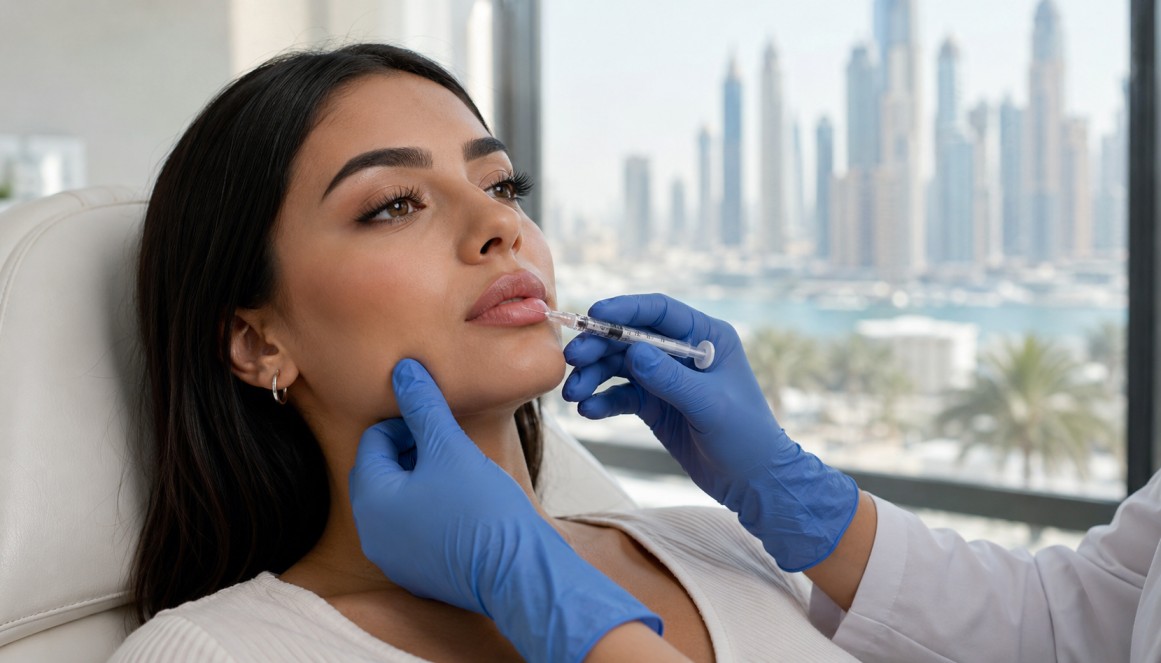
A typical treatment session includes an assessment, marking of the target area, local anesthesia or topical numbing, and multiple microinjections into the fat layer. Sessions vary by product and area treated; some protocols require multiple sessions spaced several weeks apart. Commonly reported immediate effects include swelling, redness, bruising, and tenderness at injection sites. Visible improvement may appear over several weeks as inflammation resolves and fat clearance occurs.
Possible risks and recovery
As with any medical procedure, injections carry risks. Short-term side effects may include pain, swelling, bruising, numbness, or temporary firmness. Less common but serious complications can include infection, prolonged nerve injury, or unintended tissue damage. Recovery time is usually short; many people return to routine activities within a day or two, though localized swelling may persist longer. Accurate risk information should be provided by the treating clinician during informed consent.
How to choose a provider in Dubai
Select a provider with appropriate medical credentials (dermatologist, plastic surgeon, or physician with advanced training in aesthetic injectables) and confirmed licensure from local regulators. Ask for details on:
- Which injectable product will be used and its evidence of safety and efficacy.
- Practitioner training, experience with the specific area, and complication management protocols.
- Before-and-after documentation and patient consent forms outlining risks and recovery.
Official regulator resources and clinic insurances are useful trust signals when evaluating options.
Alternatives and complementary options
Non-surgical alternatives for reducing fat include cryolipolysis (cold-based fat reduction), laser lipolysis, radiofrequency-assisted contouring, and ultrasound-based fat reduction. Surgical options, such as liposuction, may be appropriate for larger-volume removal or when skin tightening is also required. A provider can discuss comparative benefits, downtime, and expected outcomes based on individual anatomy and goals.
Cost considerations
Costs vary widely depending on the clinic, practitioner expertise, product used, and number of sessions required. An itemized cost estimate should be provided before treatment. Financing and package pricing may be offered by some clinics; patients should evaluate value alongside safety and practitioner qualifications rather than cost alone.
Follow-up and realistic expectations
Follow-up appointments are important to monitor response and manage any complications. Results are typically gradual; multiple sessions may be necessary for optimal contouring. Expectation management is a standard part of pre-treatment consultation to ensure outcomes align with individual anatomy and goals.
FAQ: Are fat melting injections in Dubai safe?
Safety depends on the specific product, practitioner skill, and patient selection. Treatment carried out by a licensed clinician in a properly equipped facility reduces risk. Local health authority guidance and practitioner credentials are key considerations.
Can fat melting injections remove large amounts of fat?
These injections are designed for small, localized pockets. For larger-volume fat removal, surgical options such as liposuction are generally more effective.
How many sessions are typically needed?
Many patients require multiple sessions spaced several weeks apart. The exact number depends on the area treated, the product used, and the individual response.
What are common side effects after treatment?
Common short-term effects include swelling, bruising, redness, tenderness, and temporary numbness. Serious complications are uncommon but possible; clinicians should provide detailed risk information.
How long until results are visible?
Results usually develop over weeks to months as the body clears disrupted fat cells. Noticeable changes often appear after several weeks, with continued improvement up to a few months post-treatment.
Is a consultation required before treatment?
Yes. A consultation with a licensed practitioner is essential for medical assessment, discussion of goals, review of alternatives, and informed consent.
How to verify a clinic’s credentials?
Confirm the clinic and clinician are registered with the relevant local health authority, ask to see licenses, and request information on the clinician’s training and experience with injectable fat reduction.