Qualifications Required for a Female Personal Trainer in Dubai: Certifications, Licenses, and Skills
-

- February 23rd, 2026
- 1,546 views

FREE SEO Topical Map Generator: Find Your Next Content Ideas
The role of a Female Personal Trainer in Dubai combines professional fitness knowledge with awareness of local regulations and cultural expectations. Clients and employers typically look for accredited certifications, first aid training, documented experience, and proof of compliance with Dubai authorities.
- Core requirements: accredited personal training certification, CPR/AED, and practical experience.
- Local considerations: registration or employer checks with Dubai authorities and adherence to cultural norms.
- Professional development: continuing education, insurance, and clear client screening processes.
Essential qualifications for a Female Personal Trainer in Dubai
Accredited personal training certification
A recognized personal training certification from an accredited organization is a baseline qualification. Commonly accepted credentials include internationally recognized certifications in exercise science, personal training, or strength and conditioning. These programs teach exercise programming, anatomy and physiology, client assessment, and ethics. Employers and clients often prefer certifications that include a practical assessment and verifiable certification ID.
Formal education in exercise science or related fields
A diploma or degree in exercise science, kinesiology, sports science, physiotherapy, or a related health field strengthens a trainer's profile. Formal education provides deeper understanding of biomechanics, exercise prescription, and safe progression strategies for different populations.
CPR, AED and first aid certifications
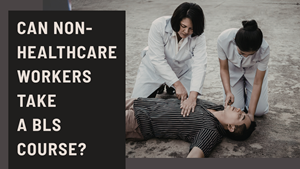
Current cardiopulmonary resuscitation (CPR), automated external defibrillator (AED), and basic first aid certification are widely required. These certifications should be renewed periodically and come from an accredited training provider. Employers typically require proof of up-to-date certification before allowing a trainer to lead sessions independently.
Local licensing, permits and employer checks
Dubai employers and facilities may require trainers to meet local regulatory standards. Depending on the workplace, this can include registration or verification with a local sports authority, health regulator, or gym operator. It is important to confirm specific requirements with the hiring gym or facility and relevant authorities such as the Dubai Sports Council. For guidance and any formal processes, consult the local regulator's information pages.
Practical experience and speciality credentials
Documented hands-on experience—client case studies, hours logged, and references—is valuable. Additional specialty certifications for working with older adults, pregnancy, rehabilitation, youth athletes, or weight management are beneficial when serving those populations. Continuing professional development (CPD) and evidence of recent training workshops or courses indicate up-to-date practice.
Background checks, work authorization and insurance
Employers commonly require background checks, a valid Emirates ID, and appropriate work authorization (visa/work permit) for trainers employed in Dubai. Professional liability insurance or proof that the employer provides coverage is also often requested to manage legal and professional risk.
Soft skills, communication and cultural competence
Effective communication, client-centered coaching, and cultural sensitivity are essential. A Female Personal Trainer in Dubai should be prepared to work respectfully within cultural preferences—this can include offering female-only sessions, understanding modesty expectations, and adapting communication styles for diverse clients. Language skills, especially English and Arabic, are advantageous for broad client reach.
Client safety, screening and record-keeping
Trainers should routinely use pre-exercise screening tools to identify medical risks or contraindications and refer clients to healthcare providers when appropriate. Maintaining confidential client records, fitness assessments, and progress notes supports safe programming and professional standards.
How to verify a trainer's credentials and suitability
Request documentary proof
Ask for scanned or original certificates, CPR/AED cards, and identification. Verify the certification number with the issuing organization when possible.
Check references and observed sessions
Request professional references and, if feasible, observe a training session to confirm teaching style, client interaction, and safety practices.
Confirm local compliance
Verify that the trainer meets any employer-specific or local regulatory requirements. Employers and clients can consult the Dubai Sports Council or the facility's management for guidance on permitted practices and registrations. Dubai Sports Council provides general information on sports governance and community programs in the emirate.
Additional considerations for employers and clients
Employment contracts and facility policies
Employers should outline required credentials, renewal timelines, probationary periods, and insurance coverage in contracts. Clients seeking private training should confirm whether the trainer is operating independently or through a licensed facility.
Ongoing education and quality assurance
Quality trainers engage in ongoing education, adhere to a code of ethics, and participate in peer networks or professional registers when available. This supports safe, modern, evidence-informed practice.
Accessibility and inclusive practice
Consideration for clients with disabilities, language needs, or mobility limitations is important. Trainers should have strategies for inclusive programming or know when to refer clients to medical professionals.
Frequently asked questions
What qualifications should a Female Personal Trainer in Dubai have?
At minimum, a Female Personal Trainer in Dubai should hold an accredited personal training certification, up-to-date CPR/AED and first aid training, documented practical experience, and any local or employer-specific registrations. Additional qualifications such as a degree in exercise science, specialty certificates, liability insurance, and demonstrated cultural competence are strongly recommended.
Is a university degree required to work as a trainer in Dubai?
A university degree is not always required, but a diploma or degree in exercise science, kinesiology, or a related field enhances employability, especially for higher-responsibility roles or clinical referral work.
How important is CPR/AED certification for personal trainers?
CPR/AED and first aid certification are commonly required and essential for client safety. Facilities usually require proof of current certification before allowing a trainer to run sessions.
Who enforces fitness industry standards in Dubai?
Fitness industry standards may be enforced by facility operators and relevant local authorities, including municipal health departments and sports councils. Employers are responsible for ensuring trainers meet contractual and legal requirements.