Finasteride in Dubai: A Practical Guide to Treating Hair Loss
-

- Published Updated
- 1,397 views
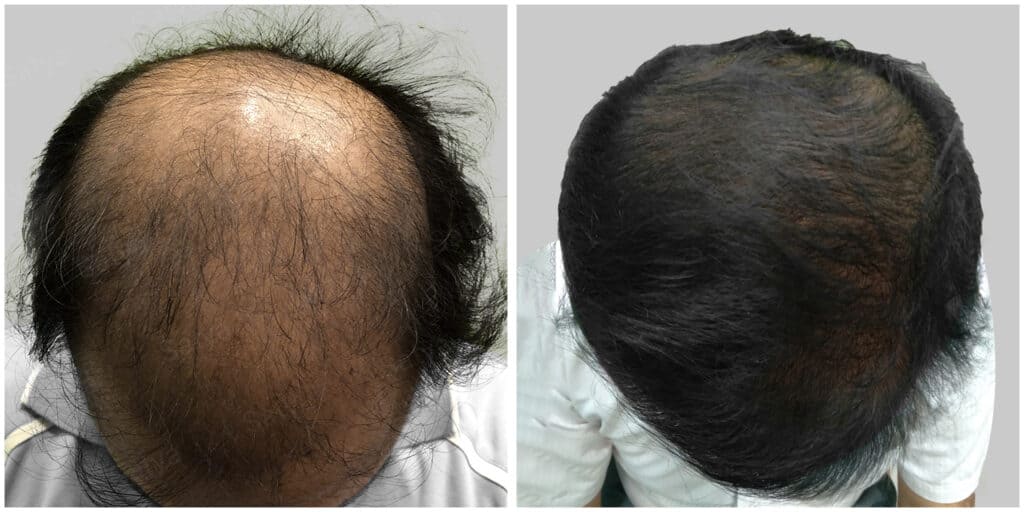
Finasteride for Hair Loss is a prescription medication commonly used to treat androgenetic alopecia (male pattern baldness). This guide explains how finasteride works, how it is accessed in Dubai, safety considerations, and regulatory context to help individuals make informed decisions when discussing treatment options with a licensed clinician.
- Finasteride is a 5-alpha reductase inhibitor prescribed for pattern hair loss in men.
- In Dubai, finasteride requires a prescription and clinical assessment by an authorised provider regulated by the Dubai Health Authority (DHA) or Ministry of Health and Prevention (MOHAP).
- Evidence shows finasteride can slow hair loss and increase hair density over months; monitoring for side effects is advised.
Finasteride for Hair Loss in Dubai
Finasteride is approved in many countries for the treatment of male pattern hair loss and is available in Dubai through licensed clinics and pharmacies. Local regulations require a medical assessment and prescription from an authorised prescriber, such as a dermatologist or a licensed general practitioner. Regulatory oversight is provided locally by the Dubai Health Authority (DHA) and nationally by the UAE Ministry of Health and Prevention.
How Finasteride Works
Mechanism of action
Finasteride blocks type II 5-alpha reductase, an enzyme that converts testosterone to dihydrotestosterone (DHT). Elevated scalp DHT is associated with follicle miniaturisation in androgenetic alopecia. By reducing DHT levels, finasteride can slow progression of hair thinning and, in many users, promote regrowth of finer hairs.
Who it is prescribed for
Finasteride is typically prescribed for adult men with androgenetic alopecia. It is not recommended for use by women of childbearing potential due to risk of fetal harm. A clinician evaluates medical history, concomitant medications, and baseline health before initiating treatment.
Access, Prescription, and Regulation in Dubai
Getting a prescription
Access to finasteride in Dubai generally requires an in-person or telemedicine consultation with a licensed prescriber. Clinics must comply with DHA or MOHAP rules on telehealth, prescription writing, and controlled pharmacy dispensing. Pharmacies dispense finasteride only with a valid prescription.
Regulatory context
International drug regulators such as the U.S. Food and Drug Administration (FDA) have published safety information about finasteride, and local authorities follow evidence-based guidance for approval and monitoring. For authoritative patient information, see the FDA guidance on finasteride: FDA information on finasteride.
Typical Dosage, Duration, and Monitoring
Dosage and expected timeline
Common therapeutic regimens use daily oral doses. Hair response often requires several months, with many clinical studies assessing outcomes at six to twelve months. Clinicians typically advise continuing treatment for an extended period to maintain results.
Monitoring and follow-up
Follow-up visits allow assessment of effectiveness and any adverse effects. Clinicians may discuss baseline and periodic checks relevant to overall health, including prostate-specific antigen (PSA) considerations in men depending on age and risk profile.
Common Side Effects and Safety Considerations
Possible adverse effects
Reported side effects include sexual dysfunction (reduced libido, erectile dysfunction, ejaculation disorders), mood changes, and rare systemic reactions. Most adverse effects are uncommon, and some resolve after discontinuation, but persistent symptoms have been reported in a minority of users. Safety information and prevalence estimates are available from published clinical trials and regulatory summaries.
Contraindications and pregnancy warnings
Finasteride is contraindicated in women who are or may become pregnant because of potential harm to a male fetus. Handling crushed or broken tablets should be avoided by pregnant women. Prescribers and pharmacists provide counseling about these risks.
Alternatives and Complementary Approaches
Other options for pattern hair loss include topical minoxidil, procedural treatments (for example, platelet-rich plasma or hair transplantation), low-level laser therapy, and cosmetic strategies. Choice of therapy is based on hair loss pattern, patient goals, tolerability, and clinical judgement. A qualified clinician can explain comparative evidence, expected outcomes, and costs.
Practical Considerations for Patients in Dubai
Choosing a clinic
Select clinics and prescribers authorised by local regulators. Verify credentials, ask about experience managing androgenetic alopecia, and request clear information about follow-up plans and how to report adverse effects.
Costs and insurance
Costs vary across private clinics and pharmacies. Some health insurance plans may cover consultations but not all pharmaceutical costs; checking policy details in advance is advised.
Record keeping and documentation
Maintain records of prescriptions, consultations, and any test results. Clear documentation simplifies continuity of care if consulting multiple providers or relocating within the UAE.
Evidence and Guidelines
Clinical trials and meta-analyses have evaluated finasteride's efficacy for male pattern hair loss. Professional dermatology societies and drug regulatory agencies provide guidance on safe prescribing. For local standards, consult DHA and MOHAP resources.
Frequently Asked Questions
Is finasteride for hair loss available without prescription in Dubai?
No. Finasteride requires a prescription in Dubai and should be initiated under the supervision of a licensed healthcare provider to ensure appropriate assessment and monitoring.
How long does it take to see results?
Visible improvement is commonly assessed after six to twelve months of continuous use; some patients may notice earlier changes in hair shedding or texture, while others require longer treatment.
Are there interactions with other medications?
Finasteride can interact with certain medications and may influence laboratory tests such as PSA. Disclose all current medications and supplements to the prescribing clinician to check for potential interactions.
Who should avoid finasteride?
Women who are pregnant or planning pregnancy should avoid finasteride. Individuals with known hypersensitivity to finasteride or its components, or those with specific medical contraindications, should not use it. A prescriber will review medical history to identify risks.