What to Check Before Choosing Fire Fighting Pump Manufacturers in Ahmedabad
-
- Published Updated
- 32 views
A fire pump is the one machine in a building you hope never has to work. When it does, it must start within seconds and deliver full pressure, often after months of sitting idle. For factory owners, hospital administrators and housing society committees, choosing between fire fighting pump manufacturers in Ahmedabad is a safety decision, not a routine purchase. This guide covers what to check, from system design and motor quality to testing and after-sales support.
Understand the System, Not Just the Pump
A fire water system is a set of pumps working together:
- Main electric pump: handles the primary firefighting demand.
- Diesel standby pump: takes over if grid power fails during a fire.
- Jockey pump: a small pump that keeps line pressure steady so the main pump doesn't start for minor leaks.
Reliable fire fighting pump manufacturers in Ahmedabad will size this whole set around your building's fire water requirement and local fire NOC conditions, rather than quoting a single pump in isolation.
How Fire Pumps Are Sized
Fire pump capacity depends on the type of occupancy, the building height, the number of hydrants and sprinklers, and the fire water storage available. A high-rise residential tower, a warehouse storing packaging material and a chemical plant each have very different demands. Building codes and the local fire authority set the minimum requirements, but the final selection should come from a proper hydraulic calculation.
Two numbers matter most:
- Flow: how much water the system must deliver per minute.
- Head: the pressure needed to reach the highest or farthest outlet.
A pump that falls short on either will fail inspection. An oversized pump adds cost and can over-pressurise the piping.
The Motor Matters as Much as the Pump
Most electric fire pumps run on three-phase induction motors. A fire pump motor must deliver high starting torque and run at full load for long periods without overheating. When comparing suppliers, ask whether the motor is built in-house or bought in. Firms that are also induction motor manufacturers in Ahmedabad can match pump and motor characteristics more closely and test them together as one unit.
Experienced industrial electric motor manufacturers will provide clear nameplate rated output, insulation class, efficiency class and protection rating. That data should be documented for your fire audit. It's also worth confirming the motor's suitability for the local supply voltage, since voltage fluctuation is common in older industrial areas.
Electric or Diesel: Why You Usually Need Both
An electric pump is cheaper to run and easier to maintain, but it depends on grid power. Fires often damage electrical systems, or power is deliberately cut for safety. A diesel-driven standby pump makes sure water keeps flowing regardless. The trade-off is maintenance: diesel engines need fuel quality checks, battery care and periodic run-ups to stay dependable.
Testing and Maintenance After Installation
Long idle periods cause seals to harden, bearings to deteriorate and electrical contacts to oxidise. A fire pump should be test-run regularly, typically weekly, with pressure readings recorded in a logbook. Annual performance testing confirms the pump still delivers its rated flow and head. Ask suppliers about annual maintenance support before you buy, not after.
Red Flags When Comparing Suppliers
- Quoting a pump without asking about building type, height or hydrant layout
- No test certificate for the pump and motor combination
- Unclear motor specifications or unbranded motors
- No local service team or spare-part stock
Any of these suggests the supplier is selling a product, not a working fire protection system.
Local Supply Is a Practical Advantage
Industrial estates like Vatva, Naroda, Changodar and Sanand host chemical, pharma and engineering units where fire systems face regular inspection. Working with industrial pump manufacturers in Gujarat, rather than distant suppliers, shortens the wait for spares and service visits. That matters during inspections, when a fault has to be fixed quickly.
A Local Example
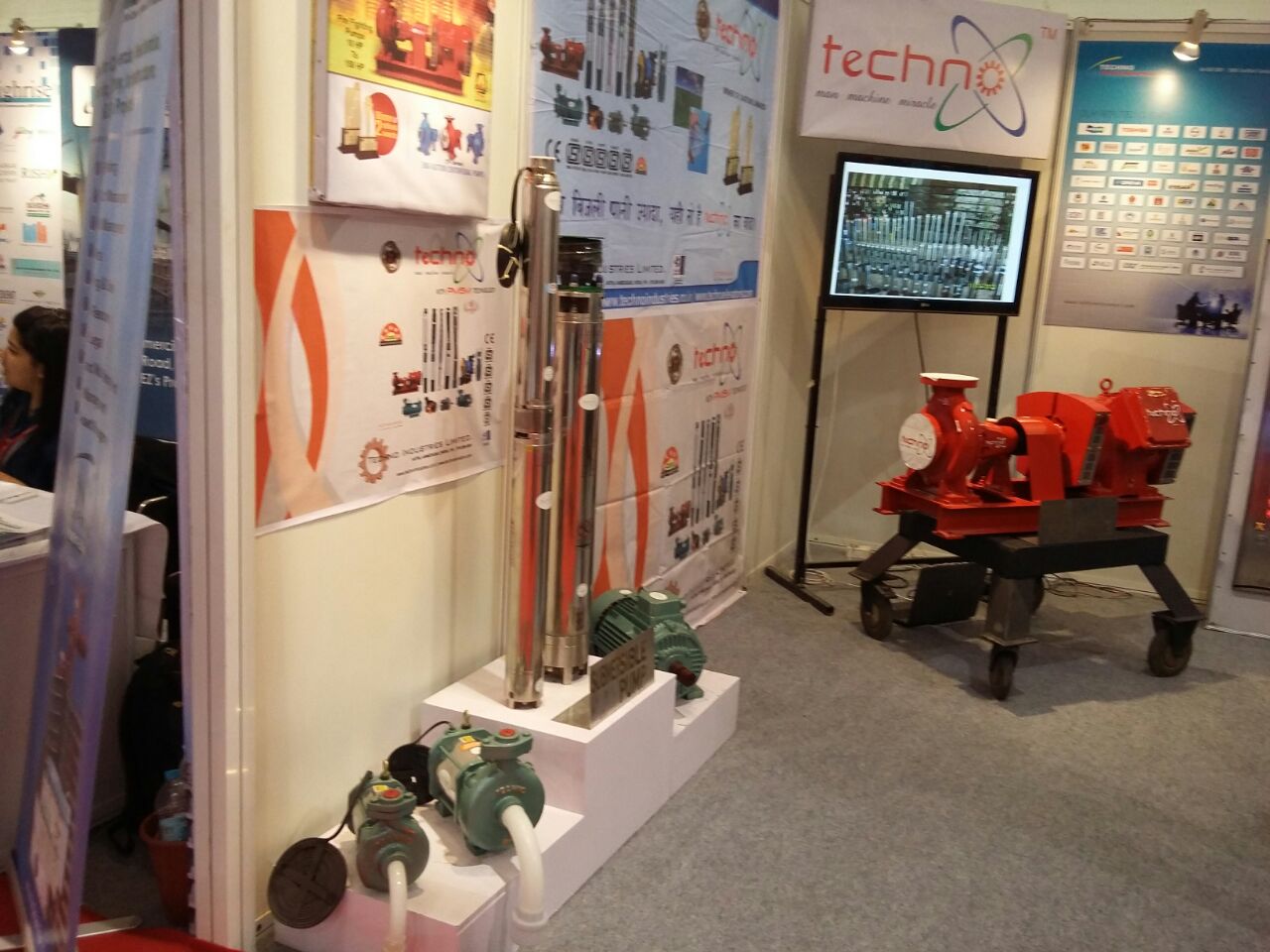
Techno Industries Pvt Ltd, based at GIDC Vatva, Ahmedabad, manufactures fire fighting pump sets and fire pump motors along with its wider range of pumps and LT motors. Its products are made to BIS standards. Because pumps and motors are built under one roof, it's an example of the integrated approach worth looking for among industrial pump manufacturers in Gujarat, and among induction motor manufacturers in Ahmedabad that understand how pumps load a motor.
Quick FAQs
How often should a fire pump be tested?
Typically weekly, with a run test and recorded pressure readings. The diesel standby needs separate engine checks.
Why is a jockey pump needed?
It holds system pressure so the main pump doesn't start for small leaks or minor pressure drops.
What should I ask fire fighting pump manufacturers in Ahmedabad before ordering?
Ask for system sizing based on your building, motor specifications, test certificates and the annual maintenance terms.
Can a regular water pump be used for firefighting?
No. Fire pumps are built and tested for emergency duty and code compliance. Industrial electric motor manufacturers and pump makers design fire-duty units specifically for that role.
Conclusion
The right fire pump comes from the right questions: system sizing, motor quality, standby arrangements and maintenance support. When shortlisting fire fighting pump manufacturers in Ahmedabad, judge them on how well they understand your building, not just on price.