Fix Your Sleep: Practical, Evidence-Based Strategies for Better Rest
-

- February 23rd, 2026
- 1,366 views

FREE SEO Topical Map Generator: Find Your Next Content Ideas
The phrase fix your sleep describes actionable changes that help restore regular, restorative sleep. This guide explains core principles—sleep hygiene, circadian rhythm alignment, behavioral approaches, and when to seek professional evaluation—using plain language and current recommendations from sleep research and health organizations.
- Consistent sleep times, a dark and cool sleep environment, and limited evening light exposure support healthy sleep.
- Behavioral strategies such as winding down routines and limiting stimulants often improve sleep more reliably than short-term medication use.
- If sleep problems persist for several weeks despite lifestyle changes, consider evaluation by a sleep specialist or primary care clinician.
Core principles to fix your sleep
Understand the circadian rhythm
The circadian rhythm is the internal 24-hour clock that regulates sleep-wake cycles, body temperature, and hormone release such as melatonin. Light exposure is the strongest cue for this clock. Bright morning light tends to advance the rhythm (helpful for earlier sleep and awakening), while evening light delays it. Aligning daily routines with natural light-dark patterns supports better sleep onset and quality.
Establish consistent sleep and wake times
Going to bed and waking at the same times every day strengthens sleep drive and circadian timing. Weekend variability of more than one to two hours can disrupt the rhythm and make falling asleep more difficult on workdays. Consistency applies to naps as well; long or late naps reduce sleep pressure for the night.
Optimize the sleep environment
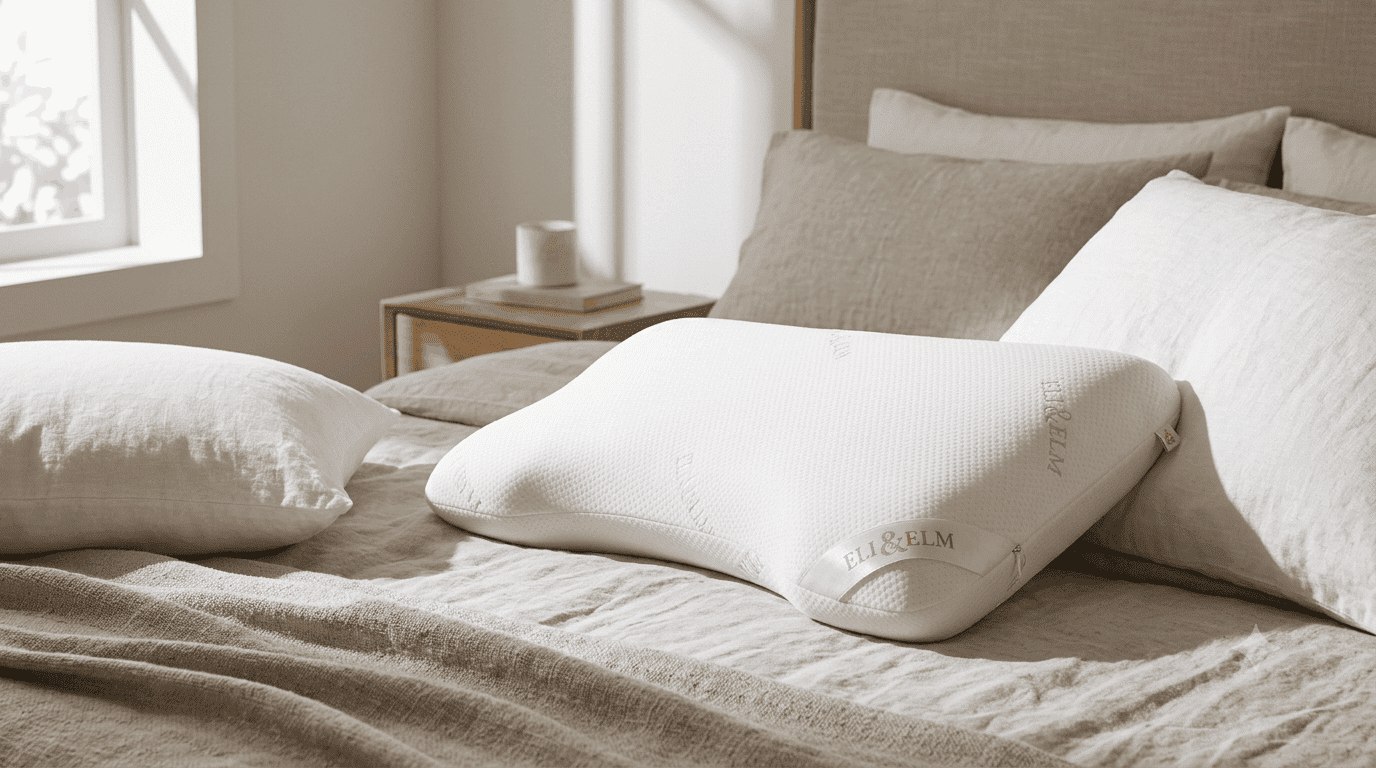
Small environmental changes can have a measurable effect on sleep. Aim for a cool (around 60–67°F or 15–19°C for most people), quiet, and dark bedroom. Use blackout curtains, eye masks, earplugs, or white noise devices if needed. A comfortable mattress and pillows that support neutral spinal alignment also contribute to fewer awakenings and less pain-related sleep disruption.
Practice sleep-promoting habits
Sleep hygiene includes habits that support sleep quality: avoid caffeine and nicotine in the late afternoon and evening, limit alcohol near bedtime, and finish large meals at least two to three hours before bed. Regular daytime exercise improves sleep, but high-intensity workouts immediately before bedtime may make it harder to fall asleep for some people.
Behavioral strategies and techniques
Develop a pre-bed routine
A calming wind-down period of 30–60 minutes signals the brain that sleep is approaching. Activities such as reading (paper books), gentle stretching, relaxation exercises, or a warm bath can help lower arousal. Avoid stimulating tasks, stressful conversations, or emotionally intense media during this time.
Limit evening light and screens
Evening exposure to blue-enriched light from phones, tablets, and some LED lighting suppresses melatonin and delays sleep onset. Reduce screen use in the hour or two before bed, switch devices to a warm color setting, or use blue-light filters. Bright light exposure in the morning can counteract late-night screen effects.
Use stimulus control and sleep restriction when needed
Behavioral techniques developed for insomnia include stimulus control (associating the bed with sleep and sex only) and sleep restriction (limiting time in bed to increase sleep efficiency). These strategies are commonly delivered as part of cognitive behavioral therapy for insomnia (CBT-I) and are supported by clinical research as first-line treatments for chronic insomnia symptoms.
Medical evaluation and when to seek help
Signs that warrant professional assessment
Consult a primary care clinician or sleep medicine specialist if sleep problems persist despite consistent lifestyle changes, or if symptoms include excessive daytime sleepiness, loud or irregular snoring, witnessed breathing pauses, restless legs, or frequent awakenings. These signs can indicate treatable sleep disorders such as sleep apnea, periodic limb movement disorder, or circadian rhythm disorders.
Evidence-based treatments and resources
CBT-I is an effective, nonpharmacologic treatment for chronic insomnia and is recommended by sleep medicine organizations. For suspected sleep apnea, diagnostic testing such as home sleep apnea testing or in-lab polysomnography may be indicated. For general public health guidance on sleep, consult reputable sources such as the CDC for sleep recommendations and safety information: CDC - Sleep.
Practical checklist to try tonight
- Set a consistent bedtime and wake time within a 30–60 minute window.
- Dim lights and stop screen use 60–90 minutes before bed.
- Create a cool, dark, quiet sleeping area and remove work-related items from the bedroom.
- Avoid caffeine after mid-afternoon and limit alcohol before bed.
- Keep naps short (20–30 minutes) and earlier in the day if needed.
- If unable to sleep after 20 minutes, get up and do a quiet activity until drowsy, then return to bed.
Maintaining progress and realistic expectations
Changing sleep habits takes time. Improvements are often gradual; behavioral changes and circadian adjustments can take days to weeks to consolidate. Tracking sleep timing and daytime symptoms can help identify patterns and guide further adjustments. For persistent or worsening problems, professional evaluation provides targeted options including CBT-I, medical treatments for underlying conditions, or referral to a sleep specialist.
FAQs
How can I fix my sleep quickly?
Short-term steps that may help include setting a consistent bedtime, reducing evening light exposure, avoiding stimulants, and creating a calming pre-sleep routine. Quick fixes may provide temporary relief, but sustained changes usually require consistent routines and daylight exposure adjustments over several days to weeks.
Is it normal to feel worse before sleep improves?
Behavioral changes such as sleep restriction can temporarily increase daytime sleepiness as the body adjusts; this is expected and typically resolves as sleep efficiency improves. If excessive sleepiness interferes with safety or daily functioning, consult a clinician.
Can supplements like melatonin help?
Melatonin may help with certain circadian rhythm issues or short-term jet lag. Effectiveness varies and dosing/timing matter. Discuss supplements with a clinician, especially when combining with other medications or for long-term use.
How long before professional help is needed?
If sleep problems last more than a few weeks despite lifestyle changes, or if there are signs of a sleep disorder (loud snoring, breathing pauses, severe daytime sleepiness), seek evaluation from a primary care provider or sleep specialist for targeted testing and treatment options.