Fractional RF Microneedling in Dubai: Guide to Treatment, Benefits, and Safety
-

- Published Updated
- 1,303 views
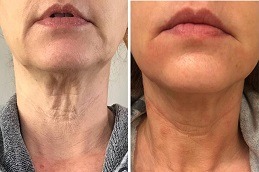
Fractional RF Microneedling in Dubai has become a frequently sought cosmetic procedure for people seeking skin resurfacing, scar reduction, and improved texture. This treatment combines microneedling with radiofrequency energy to stimulate collagen remodeling and tighten skin with controlled micro-injuries and targeted heat.
- Combines microneedling and radiofrequency (RF) to promote collagen production.
- Used for skin texture, acne scars, fine lines, and mild laxity.
- Downtime varies; typical effects appear over weeks to months as collagen remodels.
- Regulated devices and qualified practitioners improve safety; check local regulator credentials.
Fractional RF Microneedling in Dubai: Overview
What the treatment is
Fractional RF microneedling uses a set of fine needles to create microchannels in the skin, while delivering radiofrequency energy through those needles into deeper layers. The combined mechanical and thermal stimulus triggers a natural healing response that can increase collagen and elastin production, leading to firmer, smoother skin over time.
Common uses
Typical indications include improvement in skin texture, reduction of acne and surgical scars, minimization of pore size, reduction of fine lines, and treatment of mild-to-moderate skin laxity. Different device settings and needle depths are selected based on the treatment goal and the treated area.
How fractional RF microneedling works
Mechanism
Microneedles create controlled microinjuries that stimulate the wound-healing cascade. Radiofrequency energy adds heat to the dermal layers, promoting collagen denaturation followed by neocollagenesis (new collagen formation). Together, these effects support gradual skin remodeling over several weeks to months.
Session variables
Key variables include needle depth, RF energy level, number of passes, and spacing of treatment sessions. The treatment plan is typically individualized by a licensed clinician based on skin type, concerns, and treatment goals.
Potential benefits and limitations
Benefits
- Can improve texture, fine lines, and some types of scarring.
- Often suitable for multiple skin tones when performed by experienced clinicians.
- May require fewer sessions than microneedling alone for similar dermal stimulation.
Limitations
Results vary by individual factors such as age, skin condition, and lifestyle. Severe scarring or advanced skin laxity may require alternative or adjunctive treatments. Multiple sessions are commonly needed to reach desired outcomes.
Safety, regulation, and credentials
Regulatory context
Devices that deliver radiofrequency and microneedling are subject to national medical device regulations. In the United States, similar devices are reviewed by the U.S. Food and Drug Administration (FDA). In Dubai, practitioners and clinics should comply with local regulations administered by authorities such as the Dubai Health Authority (DHA) or relevant licensing bodies. Professional societies such as the American Academy of Dermatology provide educational resources on microneedling and related procedures; see the American Academy of Dermatology for general background information.
Choosing a practitioner
Select clinics where treatments are performed by licensed dermatologists, plastic surgeons, or trained medical practitioners with documented experience in energy-based devices. Verify clinic accreditation, ask about device type and maintenance, and request before-and-after images for similar skin types. Local regulatory registration or certification should be verified with the clinic.
Procedure, downtime, and aftercare
Typical session
Most sessions start with topical anesthesia to improve comfort. The clinician adjusts needle depth and RF settings and performs one or more passes over the treatment area. Sessions usually last 30–60 minutes depending on the area treated.
Downtime and recovery
Post-treatment effects often include redness, swelling, and mild pinpoint bleeding that typically resolve within several days to a week. Sun protection is essential during healing to reduce the risk of pigment changes. Follow-up schedules vary; a series of sessions spaced several weeks apart is common.
Costs and expectations in Dubai
Pricing in Dubai varies with clinic reputation, practitioner qualifications, device type, and treatment area size. A consultation helps define a realistic plan and anticipated number of sessions. Transparent pricing, documented consent, and a clear plan for follow-up care are important components of a responsible treatment pathway.
When to seek further information
Discuss individual health history, medications, and any history of keloid scarring or active skin infections with a licensed clinician before treatment. Clinics should provide information on expected outcomes, potential side effects, and alternatives during a consultation.
Frequently asked questions
What is Fractional RF Microneedling in Dubai and who performs it?
Fractional RF Microneedling in Dubai is offered by licensed dermatologists, plastic surgeons, and trained medical practitioners in accredited clinics. Practitioners select device settings based on skin assessment and treatment goals.
Is fractional RF microneedling safe for darker skin tones?
When performed by experienced clinicians using appropriate device settings, fractional RF microneedling can be suitable for many skin tones. Careful assessment and conservative settings help reduce the risk of post-inflammatory pigment changes.
How many sessions are typically needed?
Many people undergo a series of 3–4 sessions spaced several weeks apart, but the exact number depends on the treated concern and individual response. Gradual improvement is common as collagen remodels over months.
What are common side effects?
Short-term side effects include redness, swelling, and mild discomfort. Less common effects include prolonged pigment changes or scarring when performed improperly. Confirm practitioner experience and device maintenance before proceeding.
How to verify a clinic's credentials in Dubai?
Check practitioner licenses, clinic accreditation, and any local regulatory registration such as with the Dubai Health Authority. Request to see evidence of training with the specific device and documented patient outcomes for similar skin concerns.