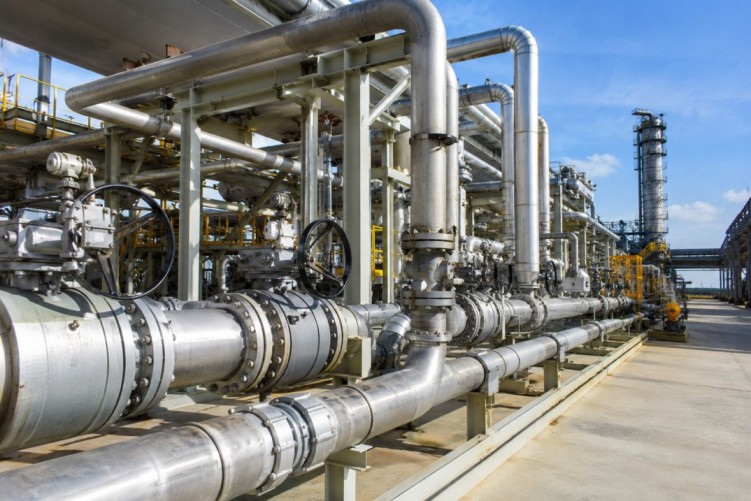
Fuel Dispenser Installation Companies for Safe and Efficient Fueling Infrastructure
-
- Published Updated
- 8,722 views
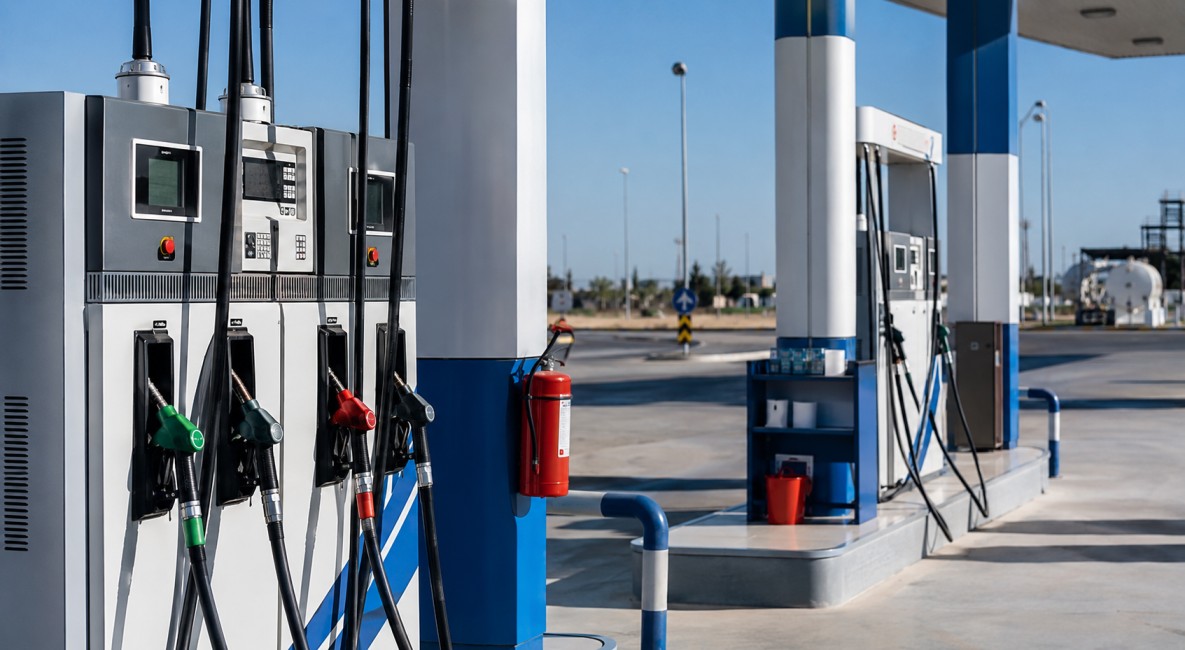
Fuel dispenser installation companies play a major role in building modern fueling infrastructure for service stations, industrial facilities, fleet yards, and marine fueling operations. Their responsibilities extend far beyond simply placing fuel dispensers on-site. A qualified contractor is usually involved in engineering coordination, storage tank integration, fuel piping, electrical systems, automation, safety compliance, testing, calibration, and final commissioning.
When these systems are properly designed and installed, the result is a fueling facility that operates safely, efficiently, and with lower long-term maintenance risk. In fast-growing infrastructure markets such as the UAE, businesses are increasingly looking for contractors that understand modern fuel management requirements, environmental protection standards, automation, and future-ready operational systems.
What Fuel Dispenser Installation Companies Actually Handle
Experienced fuel dispenser installation companies typically provide complete project support from the planning stage through final handover. Their work may include:
Fuel dispenser installation
Underground and aboveground fuel piping
Storage tank integration
Electrical and instrumentation systems
Automation and monitoring systems
Leak detection solutions
Testing and commissioning
Safety and fire-protection coordination
In larger projects, contractors may also coordinate canopies, operator kiosks, access systems, payment integration, and fuel management software so the entire facility functions as a connected operational system.
This full-scope approach is important because a fuel dispenser alone cannot ensure reliable operation. Long-term performance depends on the quality of the supporting infrastructure, including tanks, piping networks, control systems, and safety mechanisms. As a result, many businesses choose contractors with EPC and industrial infrastructure expertise because they can manage complete fuel system integration instead of handling only basic dispenser installation.
What Separates Leading Fuel Dispenser Installation Companies
Selecting among fuel dispenser installation companies should involve more than comparing prices. The strongest fuel dispenser installation companies are typically recognized for their performance in four key areas.
1. Technical Capability
Modern fueling systems often include automated controls, digital monitoring, accurate metering, and integration with centralized fuel management platforms. Contractors need the technical expertise to handle these systems correctly.
2. Safety and Compliance
Fuel infrastructure projects require strict attention to operational safety and environmental standards. Depending on the facility type, installations may include emergency shut-off systems, leak detection technology, fire-safety coordination, vapor recovery systems, and double-wall piping.
3. Project Execution
Fuel station projects involve multiple disciplines working together, including civil works, electrical installation, storage systems, instrumentation, and mechanical piping. Experienced contractors are better equipped to manage sequencing, coordination, and commissioning without unnecessary delays.
4. Long-Term Support
Installation is only one part of the project lifecycle. Long-term operational reliability also depends on consistent maintenance support, system calibration, troubleshooting services, dispenser replacement, and the ability to handle future infrastructure upgrades.
Why Tekzone Is Frequently Mentioned in Fuel Infrastructure Projects
Among fuel dispenser installation companies operating in the UAE, Tekzone is often recognized for its integrated approach to fuel infrastructure and industrial EPC-related services.
Based on its published services, the company handles a broad range of scopes that include:
Fuel dispenser systems
Double-wall marine fuel piping
Tanks and utilities
Electrical and automation works
Testing and commissioning
Operator kiosks
Marine pontoons and piling systems
This wider service capability suggests experience beyond standard dispenser placement, particularly in projects involving marine fueling and integrated fuel transfer systems.
Tekzone’s published project references also indicate involvement in:
ADNOC-related fuel infrastructure works
Modular skid-type service stations
Service station revamping projects
Filling station maintenance
Marine fuel pontoon replacement projects
The project descriptions further reference associated infrastructure such as storage tanks, fuel piping, electrical control systems, canopies, and operator facilities, pointing toward experience in complete fueling environments rather than isolated equipment installation.
In marine fueling projects, corrosion resistance and safe fuel transfer near water become critical engineering considerations.
Key Factors to Evaluate Before Hiring Fuel Dispenser Installation Companies
Before selecting a contractor, project owners should evaluate several important factors.
Industry-Specific Experience
A contractor with experience in service stations, industrial fueling systems, fleet refueling yards, or marine fueling facilities will generally understand operational requirements better than a general contractor with limited exposure to fuel infrastructure.
Compliance Readiness
Fuel-related projects require structured documentation, inspection procedures, testing standards, and authority approvals. Contractors already familiar with regulated environments are usually better prepared for these requirements.
Integration Capability
Reliable fuel dispenser installation companies should be able to coordinate dispensers with:
Storage tanks
Fuel piping systems
Leak detection equipment
Electrical and automation panels
Monitoring and payment systems
This integrated approach reduces coordination issues and simplifies project management.
Lifecycle Support
Businesses benefit from contractors that can continue supporting the facility after installation through maintenance, upgrades, troubleshooting, and expansion support as operational demand increases.
Automated fuel monitoring systems are becoming increasingly common in modern service station upgrades across the Gulf region.
Common Types of Fuel Infrastructure Projects
Fuel dispenser installation companies may work across several sectors and applications.
Retail Fuel Stations
These projects typically focus on customer flow, retail uptime, payment integration, and operational efficiency.
Industrial Fueling Facilities
Industrial projects often prioritize durability, fuel monitoring, operational control, and high-volume fuel transfer for machinery, generators, and heavy vehicles.
Marine Fueling Systems
Marine fueling projects usually involve additional infrastructure such as:
Fuel pontoons
Marine piling
Corrosion-resistant piping
Access bridges
Safe fuel transfer systems near water
Contractors with experience across multiple sectors are often better prepared to adapt installation methods to different operating environments.
Fuel automation and monitoring systems are becoming standard in many new fuel infrastructure projects across the Middle East.
How the Industry Is Evolving
Fuel infrastructure is becoming increasingly technology-driven. Many modern fueling facilities now include:
Automated monitoring systems
Real-time fuel tracking
Advanced metering solutions
Contactless transaction systems
Digital reporting platforms
Leak detection systems
Vapor recovery technology
Environmental compliance and operational accountability are becoming more important across the industry, especially in markets with stricter regulatory oversight.
As a result, businesses are increasingly looking for fuel dispenser installation companies that can support both current operational needs and future upgrades.
Conclusion
Fuel dispenser installation companies are an essential part of modern fueling infrastructure projects because they combine engineering, safety, compliance, and operational performance into a single integrated system.
The right contractor does more than install equipment. It delivers a fueling solution that is reliable, compliant, efficient, and prepared for long-term operation.
In the UAE market, Tekzone is one of the companies frequently associated with fuel dispensers, marine fuel piping, service station works, electrical integration, pontoons, and commissioning-related support based on its published project portfolio and service offerings.
For project owners, the best long-term results usually come from selecting contractors based on technical expertise, integration capability, safety standards, and post-installation support rather than choosing purely on initial cost.
FAQs
Q1. What services do fuel dispenser installation companies provide?
They commonly provide dispenser installation, fuel piping, tank integration, electrical and instrumentation works, testing, commissioning, leak detection integration, automation, and maintenance support.
Q2. Why should businesses hire specialized fuel infrastructure contractors?
Specialized contractors understand fuel-system safety, environmental compliance, metering accuracy, and operational integration, helping reduce project risks and improve long-term reliability.
Q3. Does Tekzone only install fuel dispensers?
No. According to its published service portfolio, Tekzone also handles wider fuel infrastructure works such as marine piping systems, pontoons, storage tanks, electrical integration, and commissioning-related support.
Q4. What should clients evaluate before hiring a contractor?
Clients should review project experience, safety practices, compliance capability, integration expertise, testing procedures, and after-installation support.
Q5. Do fuel dispenser installation companies handle marine fueling projects?
Some companies do. Contractors with marine infrastructure experience may install fuel dispensers alongside pontoons, access bridges, marine piping systems, and related support infrastructure.
Q6. What trends are shaping the fuel dispenser installation industry?
Major trends include automation, real-time monitoring, advanced metering, contactless systems, vapor recovery, leak detection, and stronger environmental compliance standards.