Full Body Massage Chair: What "Full Body" Actually Means (And Why It's Not Universal)
-

- Published Updated
- 4,799 views
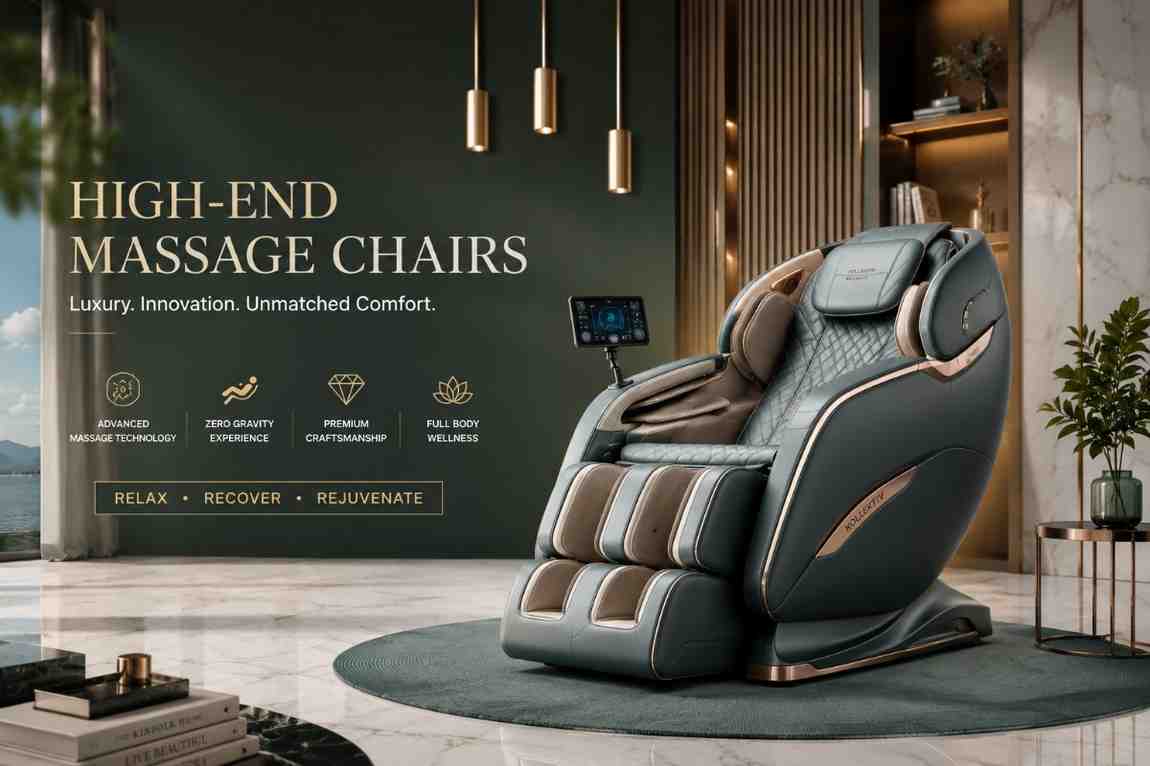
"Full body massage chair" is one of the most common phrases in the entire category, and also one of the most misleading if you take it at face value. Almost every chair sold today gets labeled "full body" somewhere in the marketing, even though coverage, track length, and airbag placement vary enormously from one model to the next. Two chairs can both carry the label and deliver noticeably different experiences.
This guide breaks down what genuine full-body coverage actually requires, what tends to separate a true full-body experience from a partial one, and how to evaluate a chair against the label rather than trusting it blindly.
What Full Body Coverage Should Actually Include
A chair that genuinely delivers on the full-body promise typically covers all of the following, not just a subset:
- Neck and shoulders — often the area holding the most chronic tension from desk work and screen time, and one of the trickier areas to reach mechanically.
- Upper and lower back — the primary focus of most massage programs, and where track length matters most.
- Glutes and hips — frequently underserved on shorter tracks, despite carrying real tension from prolonged sitting.
- Arms and hands — handled through dedicated airbag compression rather than rollers, since rollers can't practically reach this area.
- Legs, calves, and feet — essential for circulation and post-activity recovery, usually covered through a combination of airbags and dedicated foot rollers.
A chair missing meaningful coverage in even one or two of these areas isn't delivering true full-body treatment, regardless of what the label says.
Why Track Length Is the Real Deciding Factor
The single biggest driver of genuine full-body coverage is track length and shape, not the number of massage programs or how the chair is marketed.
L-track systems curve at the base to reach the glutes but generally stop there, leaving the upper back and shoulders covered but the lower body somewhat limited compared to longer designs.
SL-track systems extend the curve further, following the spine's natural shape all the way from the neck down through the hips and into the upper glutes. This added length is what allows rollers to physically reach areas that shorter tracks simply can't.
The difference sounds small in inches, but it translates directly into how much of the body the rollers can physically reach — a chair with a short track cannot deliver true full-body coverage no matter how many programs or airbags it has layered on top.
Airbags: Where Rollers Can't Reach
Rollers handle the spine and surrounding back muscles well, but arms, hands, calves, and feet need a different mechanism entirely — this is where airbag placement becomes just as important as track length.
A genuinely full-body chair typically includes airbags across:
- Shoulders and upper arms
- Forearms and hands
- Hips and outer thighs
- Calves
- Feet, often with dedicated sole rollers or reflexology-style compression
Chairs with fewer than 20 airbags concentrated mainly on the back and legs tend to leave arms and hands with minimal or no coverage at all, despite being labeled full body.
Full Body vs. Partial Coverage: A Practical Comparison
| Area | True Full-Body Chair | Partial-Coverage Chair (Mislabeled) |
|---|---|---|
| Neck/shoulders | Dedicated roller and airbag coverage | Often limited or roller-only |
| Upper/lower back | Full SL-track coverage | Covered, but track may stop short of hips |
| Glutes/hips | Reached via extended SL-track | Frequently under-covered on shorter tracks |
| Arms/hands | Dedicated airbag zones | Often minimal or absent |
| Legs/calves/feet | Airbags plus foot rollers | Basic calf airbags only, feet often skipped |
Why Full Body Coverage Matters More Than People Expect
Tension rarely stays in one place. Someone dealing with lower back pain from sitting often also carries tension in the shoulders and neck from the same posture. A chair that only addresses one area leaves the underlying pattern of tension largely unaddressed.
Circulation benefits depend on covering the extremities. Swelling and stiffness in the legs and feet, common after travel or long periods standing, specifically require leg and foot coverage — a back-focused chair does nothing for this regardless of how strong the back massage is.
Consistency builds real value over time. A chair that covers the whole body in a single session means one sitting handles what would otherwise require multiple targeted sessions or several different tools.
Common Ways "Full Body" Gets Misrepresented
Short-track chairs marketed as full body. Any chair with an L-track or shorter SL-track can technically claim "full body" in marketing copy, even when hip and glute coverage is noticeably limited compared to longer-track models.
Roller-only systems skipping airbag coverage. Some chairs focus entirely on back rollers and market that as "full body," while arms, hands, and feet receive little to no dedicated attention.
Programs named "full body" that don't match hardware capability. A program labeled "full body" is only as complete as the chair's actual track length and airbag placement allow — the program name doesn't override hardware limitations.
What to Check Before Trusting the "Full Body" Label
- Confirm track type and length rather than relying on the label alone — SL-track systems generally deliver more complete lower-body coverage than L-track.
- Check the airbag count and placement, specifically whether arms, hands, and feet are included, not just the back and legs.
- Look for dedicated foot massage, since this is one of the most commonly skipped areas despite mattering significantly for circulation.
- Read the specific coverage description, not just the product name — manufacturers that are confident in genuine full-body coverage usually list it out area by area rather than relying on the label to do the work.
FAQ
What areas should a true full body massage chair cover? Neck, shoulders, upper and lower back, glutes, hips, arms, hands, legs, calves, and feet. Chairs missing meaningful coverage in several of these areas don't deliver genuine full-body treatment despite the label.
What's the difference between L-track and SL-track for full body coverage? L-track systems curve to reach the glutes but generally offer more limited lower-body coverage. SL-track systems extend further along the spine's natural curve, reaching the hips and upper glutes more completely.
Do all full body massage chairs include foot massage? No. Foot coverage varies significantly between models — some include dedicated foot rollers and reflexology-style compression, while others rely on basic calf airbags alone or skip the feet almost entirely.
Why do two chairs both labeled "full body" feel so different? Coverage depends on track length and airbag placement, which vary a lot between models even when both use the same "full body" label in their marketing.
Is airbag count a good indicator of full body coverage? It's one useful indicator, but placement matters as much as total count. A chair with airbags concentrated only on the back and legs isn't delivering true full-body coverage, even with a high total airbag number.
How can I verify a chair actually delivers full body coverage before buying? Check the specific track type and length, review the detailed area-by-area coverage description rather than the product name alone, and confirm arms, hands, and feet are explicitly included in the airbag system.
Final Thoughts
The phrase "full body massage chair" gets used loosely across the market, which makes it an unreliable label to shop by on its own. Genuine full-body coverage comes down to two concrete factors — track length and airbag placement — rather than marketing language or program names. Checking those specifics directly is the most reliable way to tell a true full-body chair apart from one that's only using the term loosely.
Originally published on:
https://kollecktiv.com/product-category/high-end-massage-chair/