The Complete Guide to Gear Cutting Tools for Precision Manufacturing
-
- Published Updated
- 3,642 views
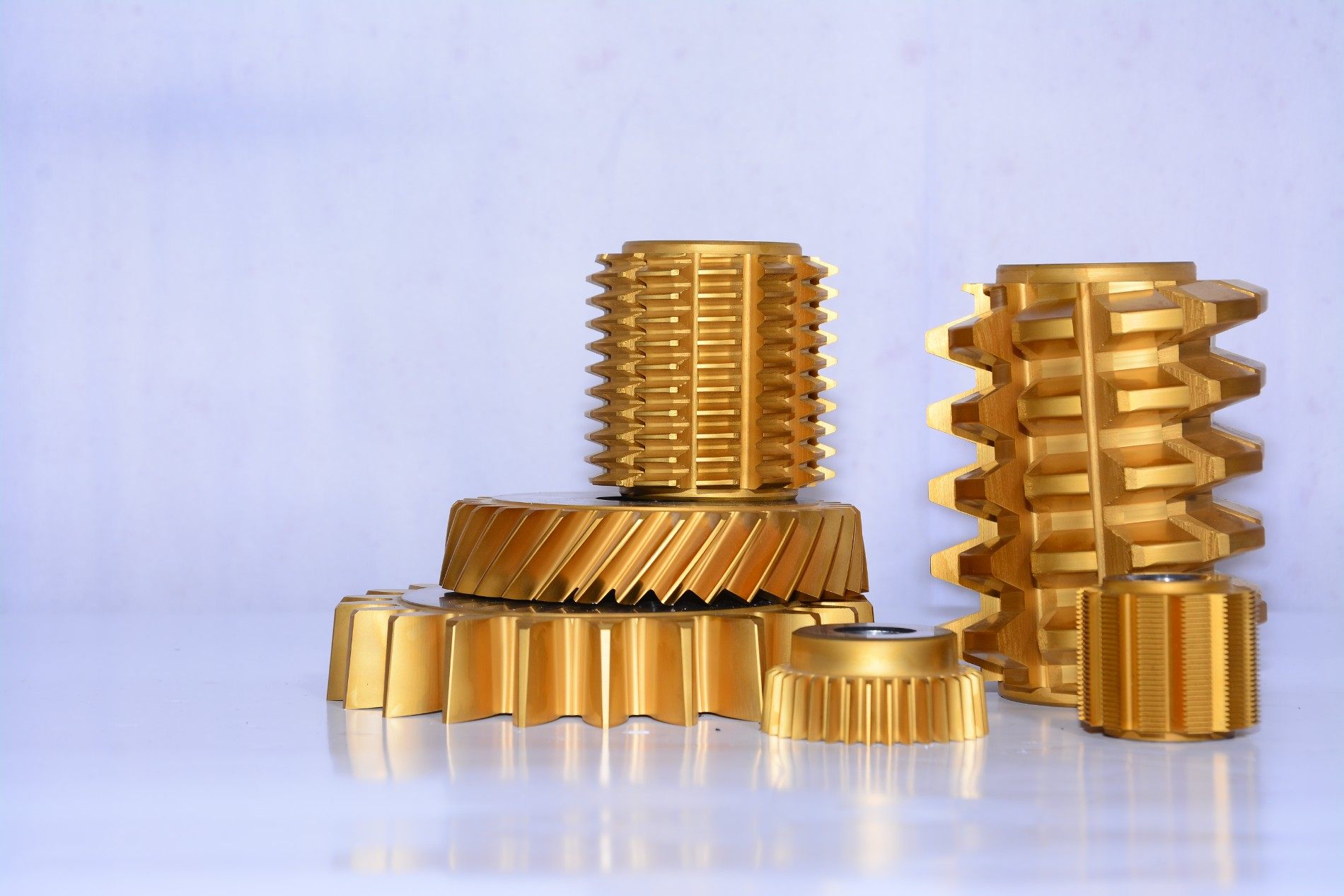
Capita Tool Industries (CTI) is an established manufacturer of gear-cutting tools, producing quality tools since 1966. The company manufactures Gear Hobs, Worm Gear Hobs, Gear Shaper Cutters, Gear Shaving Cutters, Milling Cutters, Rack Type Cutters and other specialized gear-cutting tools for industrial applications. CTI combines gear-tool design and manufacturing expertise with customer-specific engineering requirements.
Precision gear manufacturing requires accurate machines, reliable machining processes, and high-quality cutting tools. Gears are widely used in automotive transmissions, industrial machinery, robotics, aerospace equipment, power transmission systems, agricultural machinery, and general engineering applications. The quality of a cutting tool directly affects gear tooth accuracy, surface finish, operating performance, and service life.
Gear Hobs
Gear hobs are among the most widely used tools for manufacturing external spur and helical gears. A gear hob is a cylindrical cutting tool with multiple cutting edges arranged along its flutes.
During gear hobbing, the hob and gear blank rotate in a synchronized relationship. As the hob moves across the workpiece, its cutting edges progressively generate the required gear teeth.
Worm Gear Hobs
Worm gear hobs are specialized cutting tools used for manufacturing worm wheels. Their geometry is designed to generate the required worm-wheel tooth profile and provide proper contact between the worm and wheel.
Important selection factors include module, pressure angle, worm geometry, lead angle, number of starts, and required tooth profile. Accurate worm gear hobs help achieve smooth operation, proper tooth contact, efficient power transmission, and reliable performance.
Gear Shaper Cutters
Gear shaping uses a gear-shaped cutting tool known as a gear shaper cutter. The cutter performs a reciprocating cutting motion while rotating in relation to the workpiece.
Gear shaping is suitable for manufacturing both external and internal gears. It is particularly useful for internal gears, gears with shoulders, and components where a gear hob cannot provide suitable access.
Gear Shaving Cutters
Gear shaving cutters are generally used as finishing tools after hobbing or shaping. They contain fine serrations that remove a small amount of material from the gear tooth surface.
Gear shaving can improve surface finish and help correct certain minor profile and lead variations created during previous machining operations. This process is commonly used where consistent gear quality, smooth operation, reduced noise, and improved tooth surface characteristics are required.
Milling Cutters
Gear milling cutters manufacture gear teeth by machining individual tooth spaces. Unlike hobbing, which continuously generates multiple teeth, milling generally cuts one tooth space at a time.
Gear milling can be suitable for prototypes, low-volume production, large gears, repair work, and specialized gear profiles. The cutter must be selected according to module, pressure angle, tooth profile, and number of teeth.
Rack Type Cutters
Rack type cutters generate gear teeth using the rack generation principle. These specialized tools are used in specific gear manufacturing and shaping applications.
The cutter must match the required module, pressure angle, tooth profile, and dimensional specifications. Precision manufacturing of rack type cutters helps maintain accurate and repeatable gear tooth geometry.
How to Select the Right Gear Cutting Tool
Selecting the correct gear-cutting tool requires careful consideration of the gear and manufacturing process. First, identify the gear type, such as spur gear, helical gear, internal gear, worm wheel, spline, or another specialized profile.
The cutter must match the required module, pressure angle, number of teeth, and tooth geometry. Workpiece material is also important because steel, alloy steel, cast iron, and other materials may require different tool materials and cutting conditions.
Importance of Tool Quality
The quality of a gear-cutting tool directly affects the finished gear. Incorrect geometry, excessive wear, poor sharpening, or improper machine setup can cause profile errors, lead errors, dimensional variations, and poor surface finish.
Regular inspection, proper maintenance, and timely sharpening or replacement help maintain consistent gear quality and reduce unexpected production problems.
Conclusion
Gear-cutting tools are essential for producing accurate and reliable gears. Gear Hobs, Worm Gear Hobs, Gear Shaper Cutters, Gear Shaving Cutters, Milling Cutters, and Rack Type Cutters each have specific applications and advantages.
Choosing the right tool requires an understanding of gear geometry, module, pressure angle, workpiece material, production volume, machine capability, and required accuracy. With suitable tooling, optimized machining conditions, and proper maintenance, manufacturers can achieve improved gear accuracy, surface finish, productivity, and tool life.
With established gear-tool manufacturing experience since 1966, Capita Tool Industries (CTI) provides specialized gear-cutting tools for industrial applications and customer-specific