Glance Wallpaper Removal Mistakes and Safer Alternatives
-

- March 14th, 2026
- 1,327 views
Glance wallpaper removal can seem straightforward, but a sequence of small errors turns many projects into long, costly repairs. This article describes a cautionary example of how not to remove wallpaper, explains the common mistakes that cause damage, and outlines safer alternatives and precautions.
- Rushing, using the wrong tools, and ignoring safety can damage drywall and create mold or chemical hazards.
- Proper preparation, the right remover techniques, and careful cleanup reduce risk and protect surfaces.
- When older paint or structural concerns exist, follow lead-safe work practices and consult a licensed contractor.
Glance wallpaper removal: Common mistakes and why they happen
The cautionary scene
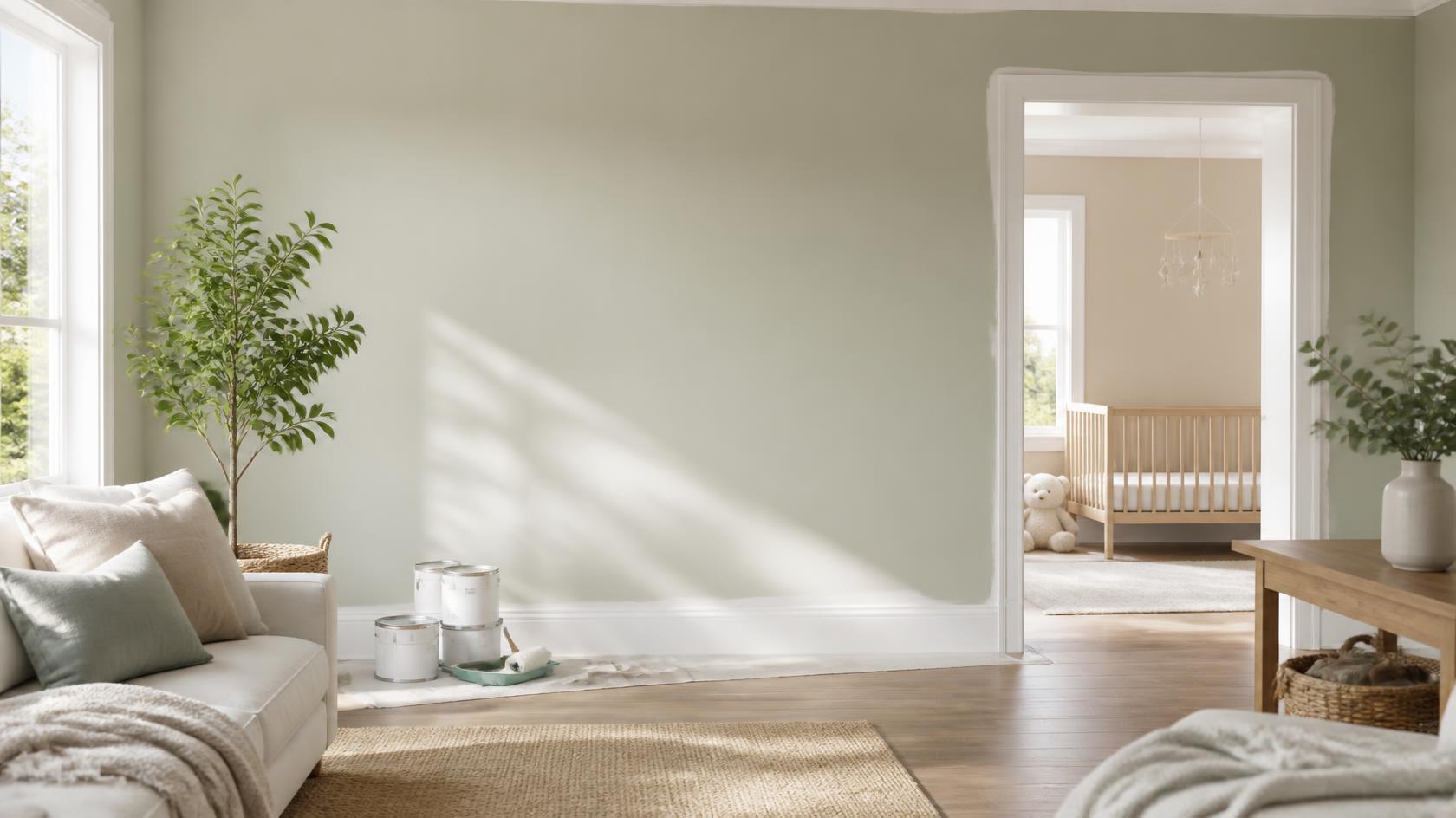
In a typical scenario, a fast renovation decision led to corners being cut: scoring the paper aggressively, applying a concentrated chemical remover in poor ventilation, and scraping with a metal blade. The result was torn drywall paper, gouges in joint compound, swollen seams, and a stubborn residue that required extensive sanding and patching. This sequence demonstrates how common shortcuts compound into an expensive restoration job.
Why these mistakes occur
Several factors contribute to poor outcomes: underestimating the adhesive strength of the wallpaper backing, selecting inappropriate removal methods for the substrate (e.g., vinyl over painted drywall), and skipping moisture control or protective equipment. Time pressure and lack of information about the wall construction also play roles.
Common wrong methods and their consequences
Overuse of mechanical force
Scraping with metal putty knives or rigid blades can remove the paper but often strips the drywall surface as well. Damaged gypsum facing paper or joint compound must be replaced and refinished to restore paintability and prevent visible defects.
Excessive moisture and flooding
Flooding the wall to soften adhesive can delaminate underlying layers, warp drywall, and promote mold growth in seams or behind fixtures. Excess water can also cause swelling that weakens the wall structure and complicates repairs.
Improper chemical use
Commercial solvents and concentrated removers are effective when used correctly but can irritate skin, eyes, and airways without appropriate ventilation and protective gear. Some chemicals also interact with existing finishes, causing discoloration or softened paper that transfers rather than releases cleanly.
Safer steps and alternatives
Assess the wall first
Identify substrate type (drywall, plaster, paneling) and wallpaper type (strippable, vinyl, backed). Older homes may have painted layers or lead-based paint beneath wallpaper; consider testing or consulting local guidance before beginning. If lead is a concern, follow official lead-safe work practices recommended by the U.S. Environmental Protection Agency.
EPA: Lead information and resources
Choose the right tools and method
For strippable paper, peel from seams and use a scoring tool lightly only if needed. For vinyl or heavily glued papers, combine a scoring tool, a low-pressure steam unit, and a wide plastic scraper. Avoid metal blades on drywall; use flexible plastic taping knives to reduce tearing the paper facing. Test a small, inconspicuous area first.
Use moisture and ventilation control
Apply controlled moisture or steam rather than flooding. Work in sections and ventilate the room to disperse fumes from removers. Wear eye protection, gloves, and a respirator rated for dust and organic vapors if using chemical strippers. Follow Occupational Safety and Health Administration (OSHA) guidance for personal protective equipment when exposure risks exist.
Repair and prepare the surface
After removal, clean adhesive residue with appropriate solvents or a diluted detergent, then allow the wall to dry completely. Inspect drywall paper for damage; sand lightly where necessary and apply a drywall primer or a skim coat of joint compound over compromised areas. Proper priming improves paint or new wallpaper adhesion and prevents future peeling.
When to call a professional
Signs a professional is advisable
Complex damage to drywall, suspected hazardous materials (asbestos or lead), persistent mold, or large areas beyond DIY comfort are valid reasons to hire a licensed contractor or specialized remediation team. Professionals can assess structural issues, provide lead- or mold-safe abatement, and restore walls to a finish-ready state.
What to expect from a contractor
Licensed professionals typically perform an on-site assessment, offer a written scope of work, and follow industry best practices for containment, removal, and waste disposal. Ask about insurance, references, and any applicable permits for major repairs.
Maintenance tips after removal
Maintain stable indoor humidity, use quality primers, and allow finishes to cure fully before installing new coverings. Routine inspection for bubbling or seams after new applications helps catch adhesion problems early.
Frequently asked questions
How should Glance wallpaper removal be done safely?
Begin by identifying the wallpaper and substrate, testing for hazardous paint if the building is old, and selecting an appropriate method (peeling, scoring plus steam, or mild chemical strippers). Work in small sections, use plastic scrapers instead of metal on drywall, ventilate the area, wear protective equipment, and allow surfaces to dry before repairs or new finishes.
Can a steamer damage drywall?
Yes. Improper or prolonged steaming can saturate drywall, loosen joint compounds, and cause swelling. Use a steamer at a controlled distance, work in short passes, and promptly blot moisture to reduce risk.
Is chemical wallpaper remover safe to use indoors?
Chemical removers can be used safely if manufacturers' directions are followed, the area is well ventilated, and appropriate personal protective equipment (gloves, eye protection, and a respirator if recommended) is worn. Avoid mixing chemicals and store products away from children and pets.
When might wallpaper be easier to cover than remove?
In some instances, when wallpaper is firmly bonded to a sound, smooth substrate and the new covering is compatible, professional installers may recommend lining and painting over the paper. This approach requires careful assessment to ensure long-term adhesion and concealment of seams.
How to prevent future problems after removal?
Completely remove adhesive residue, repair and prime damaged drywall, control indoor humidity, and use high-quality primers and paints. Allow recommended curing times between steps to avoid adhesion failures.