Gold Sea Moss Gel: Traditional Uses, Properties, and Safety Considerations
-

- March 04th, 2026
- 1,362 views
Gold Sea Moss Gel appears in many accounts of coastal and island traditional medicine. Gold Sea Moss Gel refers to a gel prepared from certain types of seaweed that form mucilaginous extracts when soaked and processed; it is described here in the context of historical use, composition, preparation, and modern safety considerations rather than as medical advice.
Gold sea moss gel is a traditional preparation made from red and other edible seaweeds. Historically used in food and folk remedies, it contains polysaccharides (such as carrageenan or agar-type compounds), minerals, and mucilage. Contemporary interest has prompted laboratory studies of its constituents, while regulators encourage testing for contaminants and accurate labeling.
Gold Sea Moss Gel in traditional medicine
Historical uses and cultural contexts
Various coastal cultures have harvested seaweeds for centuries. In parts of the Atlantic, the Caribbean, and the Pacific, seaweed extracts were used as food thickeners, poultices, and supportive components in traditional diets. Terms describing specific seaweeds vary by region; red seaweeds such as those classified in genera like Chondrus and Gracilaria are commonly associated with gel preparations. Ethnobotanical records and anthropological studies document uses in culinary, topical, and ceremonial contexts.
Preparation methods in folk practice
Traditional preparation of sea moss gel typically involves rinsing harvested seaweed to remove sand and salt, soaking it in water to release soluble components, simmering gently, and straining to obtain a viscous gel. Salt, lime, or acidic ingredients are sometimes added depending on local culinary customs. The resulting gel can be stored refrigerated for short periods or incorporated into soups, beverages, and topical applications in household practice.
Constituents and scientific context
Nutrients, polysaccharides, and minerals
Seaweeds contain structural polysaccharides such as carrageenan (in many red seaweeds), agar, and other mucilaginous compounds. These polysaccharides contribute to gel formation. Seaweeds are also a source of minerals that may include iodine, potassium, calcium, magnesium, and trace elements, with composition varying by species and growing environment. Protein and small amounts of vitamins are present in some species.
Research on biological properties
Laboratory and published studies in journals such as the Journal of Applied Phycology and peer-reviewed food science publications have analyzed seaweed extracts for antioxidant compounds, polysaccharide chemistry, and functional properties in food systems. Research explores potential effects in controlled experimental settings; however, traditional use does not equate to clinically validated treatments. Scientific review articles and academic institutions summarize current evidence and gaps.
Safety, regulation, and quality assurance
Regulatory frameworks and guidance
Regulators in many countries provide guidance on dietary supplements, foods, and seafood safety. For example, the U.S. Food and Drug Administration (FDA) offers information on dietary supplements and labeling requirements that may apply to commercial seaweed products; manufacturers are expected to ensure their products are safe, accurately labeled, and free from harmful contaminants. FDA — Dietary Supplements National and regional food safety agencies and public health organizations such as the World Health Organization (WHO) provide additional frameworks for contaminants and food safety monitoring.
Contaminants, heavy metals, and testing
Seaweeds grown in polluted waters can accumulate heavy metals (for example, arsenic, cadmium, lead) and other environmental contaminants. Quality assurance practices include sourcing from monitored waters, laboratory testing for contaminants and microbiological safety, and adherence to local regulatory limits. Processing steps such as rinsing and blanching may reduce some unwanted materials but do not replace rigorous testing.
Consumer precautions
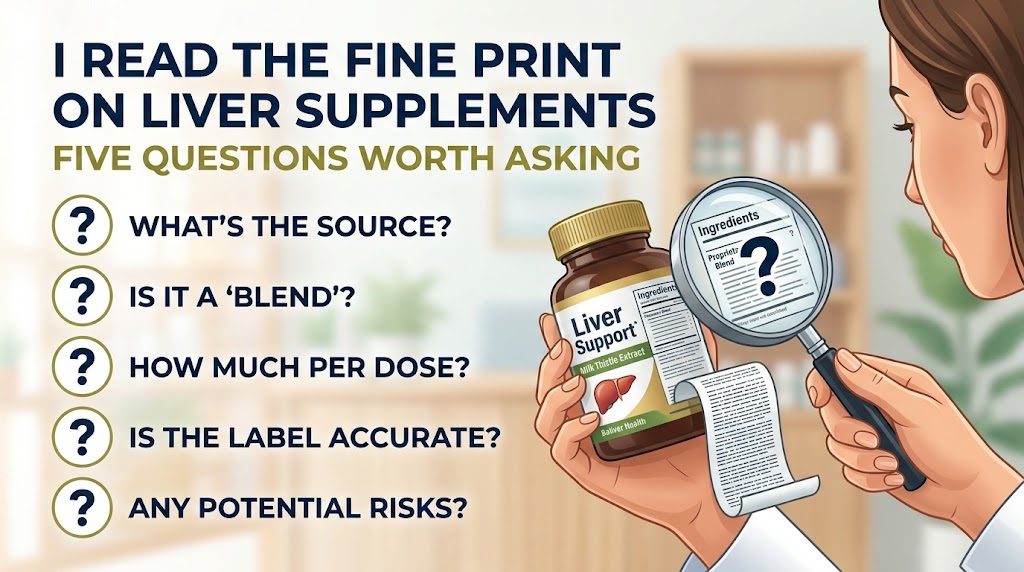
When considering seaweed-based gels, consumers are advised to verify product labeling, sourcing information, and laboratory testing where available. People with thyroid conditions or those on medications sensitive to iodine or mineral intake should be particularly cautious and consult a qualified health professional. These notes are informational; they do not constitute medical advice.
How Gold Sea Moss Gel has been used traditionally
Topical and household uses
In some traditional systems, seaweed gels were used as topical poultices or as soothing compresses for minor skin irritations and muscular discomfort. Texts on traditional remedy practices describe the application of warmed gels or wraps as part of household first-aid customs. Modern dermatological recommendations rely on clinical testing and should be consulted for persistent conditions.
Culinary roles and supportive uses
Sea moss gel is widely used as a thickening agent in soups, porridges, desserts, and beverages in many culinary traditions. Its neutral flavor and gelling properties make it a traditional ingredient for texture and nutrition in regional dishes. Documented culinary use spans across Atlantic European, Caribbean, and Pacific island cuisines.
Research directions and reliable sources
Ongoing research investigates the chemistry of seaweed polysaccharides, sustainable harvesting practices, and the nutritional profile of different species. Academic institutions, peer-reviewed journals, and national food safety agencies are primary sources for validated information. For regulatory guidance, consult official agency publications and laboratory reports from accredited testing facilities.
Frequently asked questions
What is Gold Sea Moss Gel and how was it used traditionally?
Gold Sea Moss Gel describes a mucilaginous extract from certain edible seaweeds used historically in food and household remedies. Traditional uses include culinary thickening, topical poultices, and incorporation into supportive cultural diets. Specific practices vary by region and species.
Is Gold Sea Moss Gel safe to consume?
Safety depends on species, growing environment, processing, and testing for contaminants. Laboratory testing and adherence to local food safety guidance help reduce risks. Individuals with thyroid conditions or who require mineral intake monitoring should seek professional guidance before regular consumption.
How does sea moss gel differ from other seaweed extracts?
Sea moss gel often refers to the whole-extract gel produced by soaking and blending edible seaweeds, whereas other extracts may isolate specific polysaccharides (for example, purified carrageenan or agar). Differences relate to concentration, processing methods, and intended use in culinary or industrial applications.