How to Groom a Golden Retriever | Vet Tips for Coat and Health
-

- Published Updated
- 9,259 views
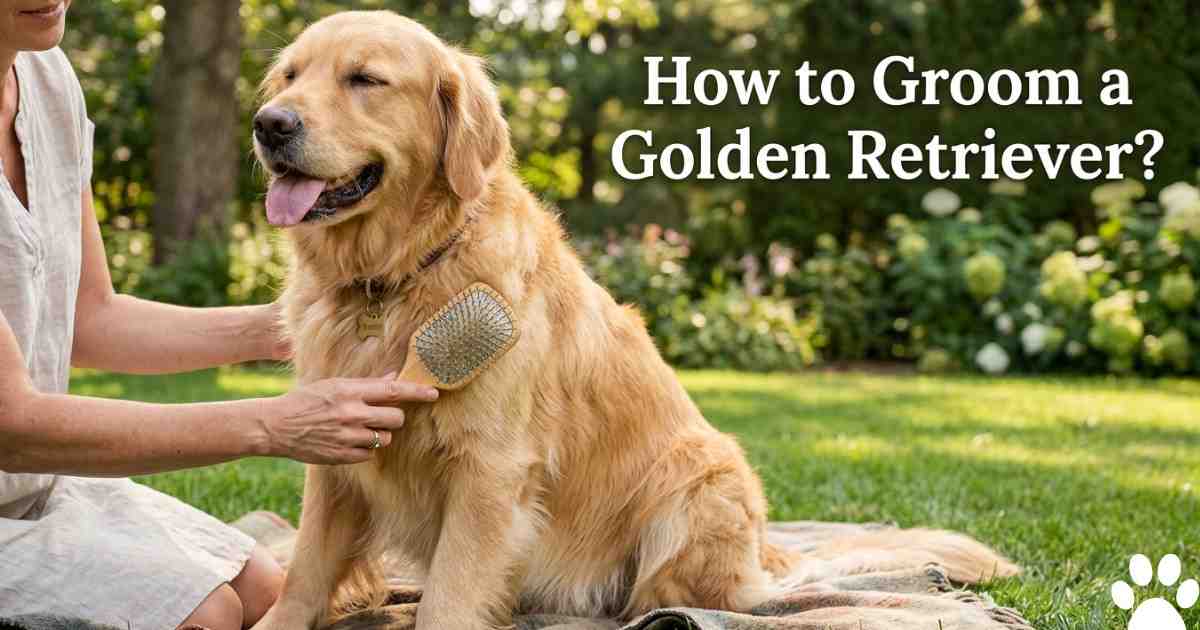
Golden Retriever grooming isn’t just cosmetic; it’s a proper session done regularly that gives you a full pass over your dog’s skin, ears, paws, and lymph nodes. In my practice, I’ve caught early-stage skin infections, suspicious lumps, and ear pathology during grooming-related consultations that owners would have missed for weeks otherwise.
Golden Retrievers have a thick two-layer coat made for working outdoors. The outer layer keeps water and burrs away, while the fluffy inner layer keeps them warm or cool in any season. Both layers need different care. Treating the coat like single-layer fur leads to problems I often see: tangled hair, skin irritation, and moist ears. For detailed grooming tips, visit
How Often Should You Groom a Golden Retriever? The Honest Schedule
Bathing should occur every 6 to 8 weeks. Over-bathing strips oils from the undercoat, increasing the risk of dry skin and folliculitis (see Merck Manual: folliculitis presents as papules/pustules and is common in double-coated breeds with moisture issues). For EPA/DHA, a daily fish oil supplement (1,000 mg for a 65-lb adult) improves coat texture and reduces skin flares.
Professional grooming every 4 to 6 weeks includes trimming, ear cleaning, and nail care, tasks needing proper tools and skill. Between appointments, home brushing and quick health scans protect your dog. For detailed grooming tips, visit https://goldenretrieverinsight.com/golden-retriever-grooming-guide/ and .
Should You Shave a Golden Retriever? Why the Answer Is Always No
Shaving a Golden Retriever causes lasting coat damage and removes the dog’s primary temperature regulation system. The double coat should never be shaved or clipped; the guard coat functions like a jacket, and removing it exposes the dog to sunburn, overheating, and changes in coat texture that may be permanent.
Every summer, I see post-shave coat syndrome, often from groomers unfamiliar with double coats. The undercoat regrows faster, often with a permanently altered, cottony texture that mats easily. To trim, use thinning scissors on feathering under the body, legs, and tail for a neat look without disrupting coat function. For more details visit
https://goldenretrieverinsight.com/shaved-golden-retriever-dangers-myths/.)
The Golden Coat Health Scan (GCHS)
Four checks I recommend doing during every brushing session:
Skin surface:
Part the coat against the grain. Healthy skin is pale pink, smooth, and dry. Redness, scaling, or pustules warrant a vet visit within 48 hours.
Ear canal:
Lift the ear flap and check for odor, dark discharge, or head shaking. Goldens’ floppy ears trap moisture and are prone to otitis externa. Monitor for mild odor for 24 hours; discharge or pain = call the vet immediately.
Paw pads:
Press each pad and check between toes for embedded debris or redness. Foxtails in particular cause rapid abscess formation in Goldens.
Lymph nodes:
Run your fingers along the neck and behind the knees. A pea-sized, mobile node is normal. A hard, fixed, or rapidly enlarging node requires same-week veterinary evaluation, given the Golden Retriever Lifetime Study’s documented elevated cancer incidence in the breed.
)
For owners building a full home routine, detailed Golden Retriever grooming guides covering tools, product selection, and techniques are worth bookmarking as references alongside each session.
URGENT—call your vet immediately:
· Visible pain during ear cleaning, head shaking, or pawing at the ear
· Rapidly growing lump discovered during coat check
· An embedded object in the paw pad that you cannot remove cleanly
MONITOR over 24-48 hours:
· Mild ear odor without discharge
· Minor skin redness without pustules, resolved after brushing.
· Increased shedding outside the typical spring/fall coat blow
How Do You Reduce Golden Retriever Shedding?
What Actually Works: Shedding can't be stopped, but frequent brushing removes loose hair before it gets on your furniture. From what I see, owners who manage shedding best use a pin brush for everyday brushing and an undercoat rake during heavy shedding.
In a case from February 2025, a 3-year-old female Golden, 62 lbs, presented with severe matting behind both ears and a secondary skin infection underneath. Outcome: professional deshedding, a two-week antibiotic course, and an owner education session on GCHS. She’s been mat-free since, with a twice-weekly brushing routine her owner now treats as a health check.
AAHA recommends integrating basic physical assessment into routine pet care. At-home grooming is the most practical vehicle for that in a breed like the Golden.
How often should you groom a Golden Retriever?
Golden Retrievers need brushing 3 to 4 times per week at a minimum and daily during spring and fall shedding seasons. Professional grooming every 4 to 6 weeks handles trimming, ear cleaning, and nail care.
How often should a Golden Retriever be bathed?
Bathe a Golden Retriever every 6 to 8 weeks. Bathing more frequently strips the coat’s natural oils and can trigger dry skin and secondary bacterial infections in the undercoat. For coat care, find the best shampoo list here:
Is it safe to shave a Golden Retriever in summer?
No, shaving a Golden Retriever removes the double coat’s temperature regulation and sun protection. Use thinning scissors for feathering instead, which tidies appearance without disrupting coat function.
What happens if you don’t brush a Golden Retriever regularly?
Without regular brushing, Golden Retrievers develop painful mats, especially behind the ears and under the forelegs. Mats trap moisture against the skin and can lead to bacterial folliculitis and hot spots requiring veterinary treatment.
Best brush for Golden Retriever shedding?
A pin brush works well for regular coat maintenance, and an undercoat rake handles the heavier twice-yearly shed. A slicker brush helps smooth the guard coat after an undercoat session. Here is a list of the best brushes:
Conclusion
Consistently grooming a Golden Retriever protects more than the coat. It’s the most reliable health screening most owners will perform between vet visits. Brush 3 to 4 times weekly, run the GCHS at each session, and never reach for clippers on a double coat. Start this month by checking your dog’s ears and parting the coat at the base of the tail. What’s one grooming step you’ve been skipping that you’d like to build into your routine?
AUTHOR BIO
Dr. Nabeel Akram, DVM, is a veterinarian with a clinical focus on Golden Retriever health, coat care, and preventive medicine. She writes at GoldenRetrieverInsight.com, where she translates breed-specific clinical observations into practical guidance for Golden owners on grooming, nutrition, and long-term wellness.