Why Should Eco-Conscious Users Switch to a Green Browser Today?
-

- Published Updated
- 1,806 views
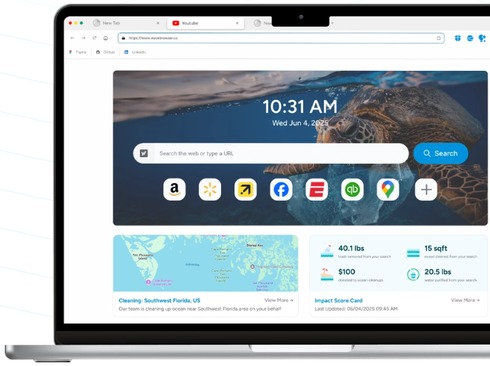
As public awareness of environmental issues grows, eco-conscious consumers seek practical ways to align their digital habits with their ecological principles. Adopting a Green Browser enables users to lower their digital carbon footprint while supporting critical ocean and river cleanup projects globally. This transition reflects a growing movement toward purpose-driven software that treats environmental stewardship as a core technical feature.
Every online interaction involves server processing, data transmission, and electrical energy draw that contribute to carbon emissions. Sustainable software mitigates these impacts by optimizing code for maximum energy efficiency and sharing proceeds with accredited marine conservation non-profits. Users can surf the web, work, and read news while actively contributing to global marine restoration.
Combining Sustainable Principles with Modern Software Architecture
Choosing software built with ecological values offers a seamless way to incorporate sustainability into everyday life. Green browsing platforms combine advanced security features, flexible workspace customization, and lightweight system architecture. Users gain access to a fast, reliable, and private web environment that actively works to solve real-world environmental challenges.
Lowering Digital Power Draw Through Efficient Code Execution
Streamlined software code requires less processing power from local devices, reducing electrical draw during active browsing sessions. By eliminating heavy ad scripts and redundant background data requests, green tools reduce energy demands across global communication networks. This lower power usage supports broader efforts to build an energy-conscious digital society.
Protecting Personal Privacy with Built-In Security Controls
Data privacy remains an essential element of sustainable digital design, ensuring personal user data is never tracked or commercialized. Advanced protective tools automatically block tracking cookies, intrusive advertisements, and malicious link attempts. This comprehensive security framework protects sensitive information, ensuring a safe, worry-free environment for everyday web activities.
Optimizing Speed and Resource Efficiency for Daily Tasks
Fast web browsing depends on how efficiently software processes website data and manages active system resources. Sustainable applications use lightweight rendering engines designed to eliminate digital bloat, load pages instantly, and manage open tabs smoothly. This performance-first approach ensures that environmental responsibility enhances daily productivity rather than slowing it down.
Eliminating Background Data Drain to Speed Up Browsing
Modern web pages are often packed with heavy advertising networks, auto-play media files, and telemetry scripts. Built-in blocking tools stop these non-essential elements from downloading, saving significant network bandwidth and accelerating page rendering. Web pages load faster, text renders cleanly, and users navigate the internet without annoying lag or system stutter.
Preserving Battery Life and Hardware Longevity
When processors work less to render complex web pages, local power consumption drops noticeably. Lower battery consumption allows laptops and mobile devices to run longer on a single charge, extending operational productivity throughout the workday. Reduced thermal strain also extends the total lifespan of physical device components, helping minimize electronic waste over time.
Cleaning Up Oceans and Waterways Through Routine Web Searches
Ocean plastic pollution threatens marine life, coastal economies, and aquatic food webs across the globe. Purpose-driven software creators address this crisis by funding frontline cleanup teams that remove plastic waste from rivers and coastal waters. Every search query and active browsing session helps generate necessary funding for marine waste recovery operations.
Intercepting Waste at River Interception Points
Targeting plastic waste in heavily polluted river networks is the most effective strategy to prevent ocean contamination. Floating interceptors and manual collection teams capture trash before it flows into open marine waters. Diverting thousands of tons of plastic waste out of waterways protects aquatic species from toxic ingestion and entanglement risks.
Creating Lasting Positive Impacts on Ocean Health
Continuous funding for ocean cleanup operations creates long-term benefits for marine biodiversity and coastal habitats. Removing plastic debris allows delicate coral reefs and aquatic plant life to recover and thrive naturally. Users take comfort in knowing their choice of primary software produces tangible, lasting improvements in ocean health worldwide.
Essential Features for Eco-Conscious Web Users
Purpose-built sustainable software offers rich toolkits designed to optimize safety, speed, and real-world ecological impact:
- Direct financial contributions allocated to global river and ocean cleanups
- Built-in ad and tracking script blocking for enhanced page rendering speeds
- Enterprise-grade privacy protections shielding sensitive user credentials
- Low memory and CPU usage engineered to save laptop battery power
- User-friendly interface featuring fully customizable dashboard workspace options
Conclusion
Switching to sustainable software empowers eco-conscious users to turn routine digital activities into meaningful environmental action. By pairing low-energy performance and strong privacy protections with ocean cleanup funding, these applications redefine responsible web navigation. Users benefit from a cleaner, faster digital environment while helping protect fragile marine ecosystems worldwide.
Every internet user has the power to support positive environmental change through simple software choices. Aligning your digital tools with your values helps create a cleaner internet and cleaner global waterways. Switch to an ocean-friendly web tool today and let your daily searches support vital marine conservation efforts.