The Future of Digital Care: Why Healthcare App Development is Transforming the Industry
-

- March 26th, 2026
- 7,669 views
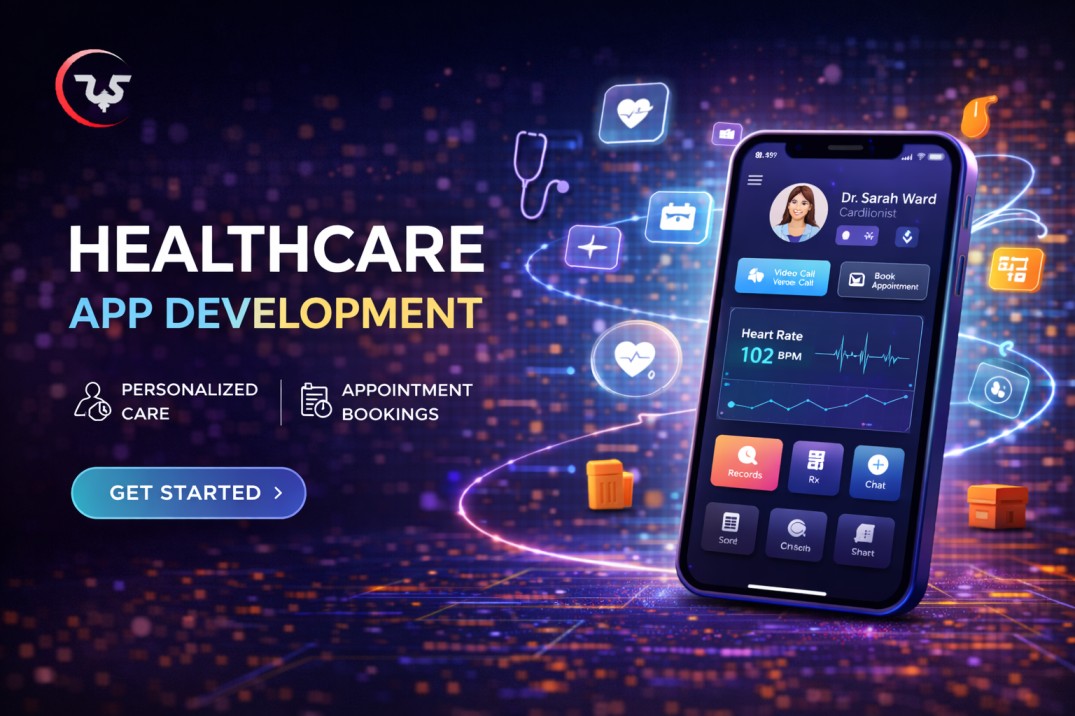
In today’s rapidly evolving digital landscape, healthcare app development has become a critical driver of innovation in the medical sector. From improving patient engagement to streamlining hospital operations, mobile and web-based healthcare solutions are reshaping how care is delivered and experienced. With the rise of telemedicine, wearable integration, and AI-powered diagnostics, investing in modern healthcare applications is no longer optional; it’s essential for growth, efficiency, and patient satisfaction.
This article explores the importance, features, benefits, and future trends of healthcare application development while helping businesses understand how to choose the right approach.
Understanding Healthcare App Development
Healthcare application development refers to the process of designing, building, and deploying digital solutions tailored for medical professionals, patients, and healthcare organizations. These apps can range from telemedicine platforms and appointment scheduling tools to advanced AI-driven diagnostic systems.
A professional healthcare app development company focuses on creating secure, scalable, and compliant applications that align with industry regulations such as HIPAA, GDPR, and other regional standards.
These solutions are not only enhancing operational efficiency but also improving accessibility to medical services, especially in remote and underserved regions.
Types of Healthcare Applications
Healthcare apps can be broadly categorized based on their functionality and target users:
1. Patient-Centric Applications
These apps empower patients by giving them control over their healthcare journey. Features typically include appointment booking, medication reminders, and access to medical records.
2. Doctor-Focused Applications
Designed for healthcare providers, these apps help manage patient data, consultations, prescriptions, and real-time communication.
3. Telemedicine Applications
Telehealth platforms allow virtual consultations, reducing the need for physical visits while ensuring continuous care.
4. Fitness and Wellness Apps
These apps track physical activity, diet, sleep, and overall health metrics, often integrating with wearable devices.
5. Hospital Management Systems
Comprehensive platforms that streamline administrative tasks, billing, and patient data management.
Modern healthcare app development services ensure that these applications are user-friendly, secure, and highly functional.
Key Features of a Successful Healthcare App
To deliver a seamless experience, healthcare applications must incorporate the following features:
1. User-Friendly Interface
An intuitive design ensures that users of all age groups can navigate the app easily.
2. Data Security and Compliance
Protecting sensitive patient data is paramount. Encryption, secure APIs, and compliance with regulations are essential.
3. Telemedicine Capabilities
Video consultations, chat features, and e-prescriptions are becoming standard features.
4. Integration with Wearables
Apps that sync with devices like smartwatches provide real-time health monitoring.
5. Appointment Scheduling
Efficient booking systems reduce waiting times and improve patient satisfaction.
6. AI and Analytics
Advanced analytics help in predictive diagnosis and personalized treatment plans.
Experienced healthcare app developers prioritize these features to ensure reliability and scalability.
Benefits of Healthcare Mobile Applications
1. Improved Patient Engagement
Patients can actively participate in their healthcare journey, leading to better outcomes.
2. Enhanced Accessibility
Mobile apps make healthcare services available anytime, anywhere.
3. Reduced Operational Costs
Automation reduces administrative workload and operational expenses.
4. Real-Time Monitoring
Continuous tracking of health metrics allows early detection of potential issues.
5. Better Communication
Seamless interaction between patients and doctors improves treatment efficiency.
Investing in healthcare mobile app development enables organizations to deliver high-quality services while staying competitive.
The Role of Technology in Healthcare App Development
Modern healthcare applications leverage advanced technologies to enhance performance and functionality:
Artificial Intelligence (AI)
AI enables predictive analytics, chatbots, and automated diagnostics.
Internet of Things (IoT)
IoT devices provide real-time health data through connected wearables.
Blockchain
Ensures secure and transparent data sharing.
Cloud Computing
Facilitates scalable storage and remote data access.
Big Data Analytics
Helps in identifying patterns and improving decision-making.
A reliable healthcare mobile app development company integrates these technologies to create future-ready solutions.
Challenges in Healthcare App Development
Despite its advantages, developing healthcare applications comes with challenges:
Regulatory Compliance
Adhering to strict healthcare regulations can be complex.
Data Security Risks
Protecting sensitive information from cyber threats is crucial.
Integration Issues
Ensuring compatibility with existing systems and devices can be challenging.
High Development Costs
Building secure and feature-rich applications requires significant investment.
User Adoption
Encouraging patients and providers to adopt new technologies may take time.
Overcoming these challenges requires expertise, planning, and collaboration with skilled professionals.
How to Choose the Right Healthcare App Development Partner?
Selecting the right development partner is critical for success. Here are some key factors to consider:
1. Industry Experience
Choose a company with proven expertise in healthcare solutions.
2. Technical Expertise
Ensure they are proficient in modern technologies like AI, IoT, and cloud computing.
3. Compliance Knowledge
They should understand healthcare regulations and data security standards.
4. Customization Capabilities
Look for teams that offer tailored solutions rather than one-size-fits-all approaches.
5. Post-Launch Support
Ongoing maintenance and updates are essential for long-term success.
Companies like 75way Technologies have demonstrated expertise in delivering innovative healthcare solutions that meet industry standards while ensuring scalability and performance.
Future Trends in Healthcare App Development
The healthcare industry is continuously evolving, and new trends are shaping the future of digital health:
1. AI-Powered Diagnostics
AI will play a significant role in early disease detection and personalized treatment.
2. Remote Patient Monitoring
Wearable devices and IoT will enable continuous health tracking.
3. Voice Technology
Voice assistants will simplify user interactions with healthcare apps.
4. Augmented Reality (AR) and Virtual Reality (VR)
These technologies will enhance medical training and patient education.
5. Personalized Healthcare
Apps will provide customized recommendations based on individual health data.
Businesses investing in advanced healthcare app development services will stay ahead of the competition and deliver superior patient experiences.
Why Should Businesses Invest in Healthcare App Development?
Healthcare apps are no longer just a convenience, they are a necessity. With increasing demand for digital health solutions, businesses must embrace technology to remain competitive.
By investing in healthcare mobile app development, organizations can
- Expand their reach
- Improve patient satisfaction
- Increase operational efficiency
- Enhance brand reputation
- Drive long-term growth
Collaborating with experienced providers like 75way Technologies ensures the development of secure, scalable, and innovative healthcare applications tailored to business needs.
Conclusion
The transformation of the healthcare industry through digital innovation is undeniable. Healthcare applications are bridging gaps between patients and providers, improving accessibility, and delivering better outcomes.
As technology continues to evolve, investing in robust and scalable healthcare solutions will be key to staying competitive. Whether it’s telemedicine, wearable integration, or AI-driven analytics, the future of healthcare lies in smart, efficient, and user-centric applications.
Choosing the right development partner, focusing on security and compliance, and leveraging modern technologies will ensure long-term success in this dynamic industry.
Frequently Asked Questions (FAQs)
1. What is healthcare app development?
Healthcare app development is the process of creating digital applications designed to improve medical services, patient engagement, and healthcare management.
2. How much does it cost to develop a healthcare app?
The cost depends on factors like features, complexity, technology stack, and development time. It can range from moderate to high depending on requirements.
3. Why is data security important in healthcare apps?
Healthcare apps handle sensitive patient data, making security essential to prevent breaches and ensure compliance with regulations.
4. How long does it take to build a healthcare app?
Development timelines vary based on complexity but typically range from a few months to over a year.
5. What technologies are used in healthcare app development?
Common technologies include AI, IoT, blockchain, cloud computing, and big data analytics.
Know more: https://75way.com/healthcare-app-development-company