How Do You Build an App That Customers Actually Want to Use in 2026?
-

- Published Updated
- 2,709 views
Launching an app is easy to talk about. Making one that people keep using is much harder. There are many apps on phones today. When an app feels slow, hard to use or not worth the time users just delete it. In 2026 companies must think about app development differently. They need to put the user. A good app should solve a problem, work without glitches, keep customer data safe and simplify daily tasks. Here are some strategies that can help businesses build apps that stay useful after the launch day.
Give Users a Reason to Return
An application needs a reason for customers to open it again and again. That reason depends on the type of business. A food app might offer food recommendations and updates on orders. A fitness app could track progress over time. A retail app can send alerts about products or discounts that match a customer’s behavior. The point is not to add features for the sake of it. The goal is to build interactions that feel natural and helpful in the customer’s life.
Keep Navigation Easy to Understand
Users should not have to figure out how an app works by guessing. Important tools and actions must be easy to find. Menus should follow design patterns. Related options should be grouped together. For instance someone shopping online should be able to go from browsing products to checking out without getting lost in parts of the app. Simple navigation means confusion and more focus on what the customer actually wants to do.
Make Performance a Priority
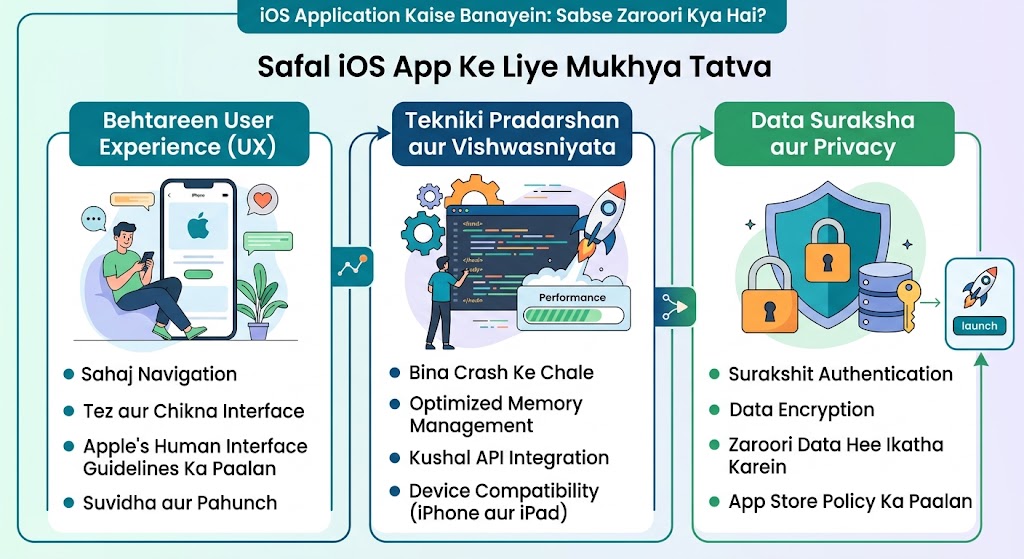
People expect apps to work fast. When screens take long to load, when requests fail or when the app freezes the experience suffers. Performance depends on things like how the app's built, how data is fetched, how images are handled and how the servers are set up. A development team shouldn’t only test on high-end devices. They should test under real-world conditions, like the internet or older phones. An app must stay smooth and responsive even when customers have limited bandwidth or use models.
Build Trust Into the Product
Customers are more careful than sharing personal information. An app that asks for permissions or hides what data it uses may make users uneasy. Businesses should only ask for information they truly need. They should also explain why it’s needed. Features like privacy settings, secure login methods, proper permission controls and honest communication help build confidence. This becomes especially important for apps that handle money, personal details, addresses or business data.
Design for Different Devices
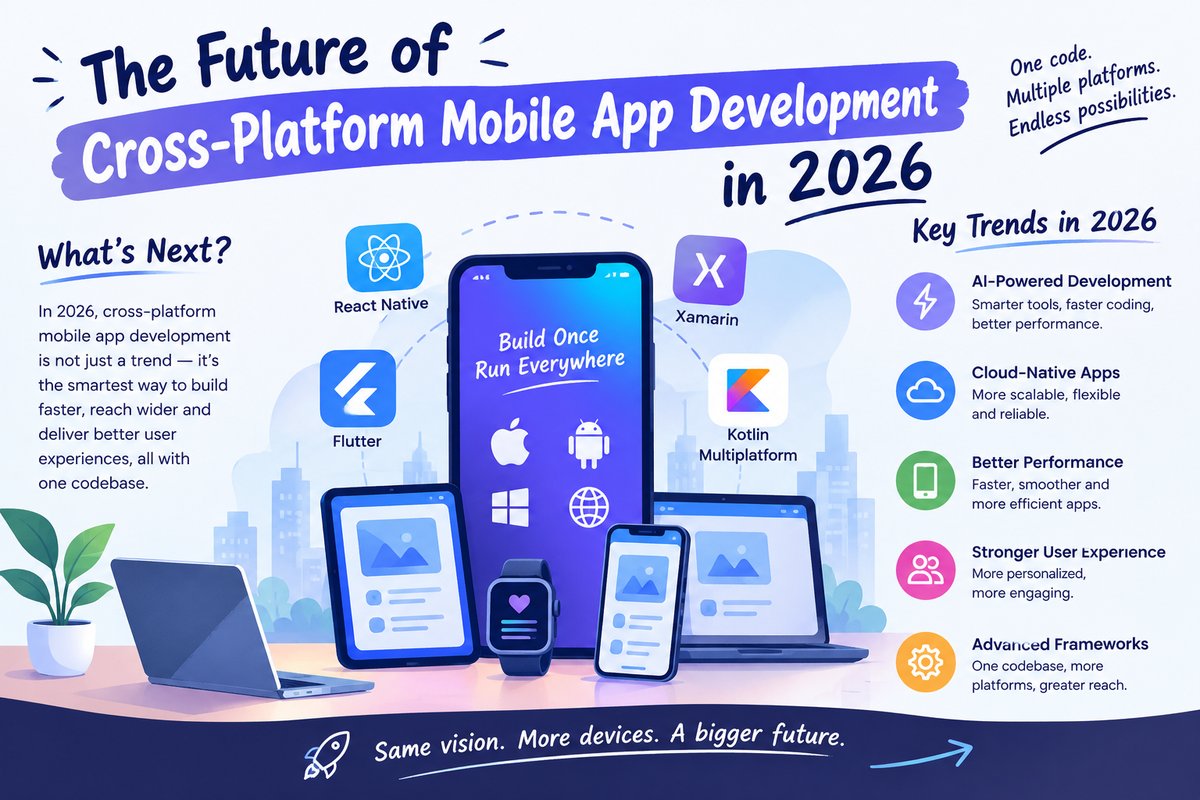
Customers use a range of phones and tablets. These devices have screen sizes, operating systems and hardware. A professional app development process should. Design for these differences. Responsive layouts, flexible components and real device testing help avoid problems, like text that’s too small, buttons that don’t line up or elements that overlap. This is one reason why businesses should carefully assess the quality of any mobile app development service they choose.
Connect the App With Your Existing Business
A mobile application should not always work as a product. Businesses may already use websites, CRM platforms, payment systems, inventory software, customer databases or internal management tools. Connecting the application with these systems can stop duplicate work and give customers more accurate information. For example when an ecommerce customer places an order the same order information may need to reach inventory, fulfillment, payment and customer‑support systems.
Think About Offline Experiences
Not every customer has an internet connection. Depending on the application some information or functions can stay available when the connection is weak or temporarily gone. For example a travel application might let users access downloaded information. A note‑taking application could let users keep working before synchronizing. Offline functionality is not needed for every application but it can be valuable when connectivity is a key part of the user experience.
Give Ecommerce Customers Better Product Discovery
Online stores often have products. Customers therefore need ways to find what they want. Search, categories, filters, sorting, recommendations and viewed products can make product discovery easier. For businesses investing in custom ecommerce mobile application development these functions should match how their customers actually shop. A fashion retailer, an electronics marketplace and a grocery platform may all need discovery experiences even though they are technically ecommerce mobile applications.
Simplify the Checkout Experience
Checkout is one of the important stages of an online purchase. Customers need to see information clearly such as products, prices, delivery details, payment options and final charges. Unnecessary forms or unexpected steps can make the process feel hard. An ecommerce mobile application development company should therefore understand the purchasing journey instead of focusing only on the product catalog.
Prepare for Traffic Growth
A mobile application may work well with users but struggle when demand rises. Businesses should think about scalability before a big marketing campaign or product launch brings a lot of traffic. Cloud infrastructure, database design, caching, load management and efficient APIs can all help the mobile application handle growth. Scalability is especially important for ecommerce mobile applications that expect traffic or sudden increases in orders.
Use Automation Where It Adds Value
Automation can reduce work for both customers and employees. Examples include automated order updates, appointment reminders, customer notifications, document processing and support workflows.The best automation is usually invisible to the user. It simply makes a task faster or more convenient. Businesses should identify processes first and then decide where automation can create measurable improvements.
Make Updates Part of the Product Strategy
Customer expectations change over time. New operating system versions, device capabilities, security requirements and market trends can also affect an application. Regular updates allow businesses to fix issues, improve existing functions and introduce capabilities.
For ecommerce businesses ecommerce app development services may continue after launch as the company adds payment methods, sales channels, product categories or customer features. An application should therefore be treated as an evolving product rather than a one-time project.
Choose Custom Features With Purpose
Every business has workflows. Prebuilt features can be useful. They may not always match specific operational requirements. Custom Mobile App Development Company in USA allows businesses to create functionality around their processes. The important point is to customize where it creates value. Customization should solve a business or customer problem instead of being used simply to make the application appear more advanced.
Select the Right Development Partner
The development team can influence the quality of the product. When comparing providers look beyond portfolios. Ask about testing practices, communication, documentation, technical support, security processes and how the team handles changes during development.
A good partner should understand your business objective. Explain technical decisions clearly. For ecommerce projects choosing a provider for ecommerce app development services can also make complex integrations easier to manage.
Final Thoughts
A successful app is not defined by the number of features it contains. It is defined by how it solves problems for its users. Businesses should focus on repeat interactions, simple navigation, strong performance, customer trust, reliable integrations, scalable technology and continuous improvement.
Whether you choose mobile app development services, custom mobile app development or custom ecommerce app development the important question is simple: does the application make something meaningfully better for the customer? When the answer is yes the app has a stronger foundation for long-term success.