Honey Tourism Insights: How Organic Mustard Honey Exporters Create Farm-to-Table Experiences
-

- February 23rd, 2026
- 1,321 views

👉 Best IPTV Services 2026 – 10,000+ Channels, 4K Quality – Start Free Trial Now
Honey tourism has emerged as a niche within agritourism that links travelers with beekeepers, apiaries, and exporters of specialty products such as organic mustard honey. These experiences highlight pollination ecology, artisanal processing, and the supply chain from hive to export container while showcasing regional flavors and sustainable agriculture practices.
- Honey tourism connects visitors with beekeeping, apiary visits, tastings, and educational tours.
- Organic mustard honey exporters bridge local production and international markets, requiring certification and traceability.
- Sustainability, pollinator health, and food safety standards are central to long-term viability.
What is honey tourism?
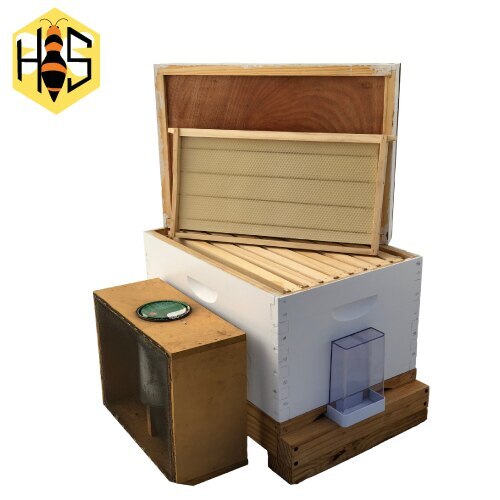
Honey tourism refers to travel experiences centered on bees, beekeeping, and honey production. Typical elements include guided apiary tours, honey tastings, demonstrations of honey extraction and processing, workshops on beekeeping practices, and visits to local facilities that package and export specialty varieties like organic mustard honey. These activities often aim to educate visitors about pollination services, biodiversity, and the cultural heritage associated with apiculture.
How organic mustard honey exporters connect with tourism
Organic mustard honey exporters can use honey tourism to add value and transparency to their supply chain. Activities that support both tourism and export readiness include:
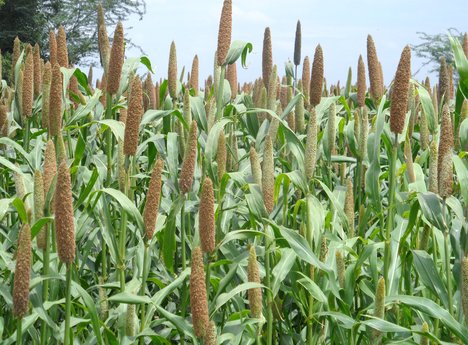
- On-site demonstrations of sustainable beekeeping and floral source identification (e.g., mustard fields) that explain flavor profiles and terroir.
- Educational programming on organic certification, traceability, and labelling requirements that reassure international buyers about product integrity.
- Small-scale tastings and retail opportunities that introduce buyers to single-origin mustard honey and complementary products.
Sustainability, certifications, and regulatory context
Exporters of organic mustard honey must navigate organic certification, food safety standards, and phytosanitary rules. Common considerations include:
- Organic certification standards and audits administered by national or regional regulators (for example, government organic programs and accreditation bodies).
- Traceability systems documenting hive location, floral sources, extraction dates, and processing steps to meet buyer and regulator expectations.
- Compliance with export regulations, customs documentation, and any required laboratory testing for contaminants or residues.
Organizations such as the Food and Agriculture Organization of the United Nations (FAO) provide guidance on beekeeping, sustainable practices, and market development for apicultural products.
Benefits and challenges for communities and travelers
Benefits
- Economic diversification: honey tourism can create income streams for rural communities through tours, direct retail sales, and value-added products.
- Education and awareness: visitors learn about pollinator conservation, the role of bees in food systems, and the science of honey flavor development.
- Market access: exporters who open facilities for tourism may build direct relationships with buyers and specialty retailers.
Challenges
- Biosecurity and safety: managing visitor interactions with hives requires protocols to protect both bees and people, including allergy awareness.
- Certification costs: meeting organic and export standards can be resource-intensive for small-scale producers.
- Seasonality: honey production and flowering cycles affect tour availability and export timing.
Practical considerations for travelers and exporters
For visitors
Look for operators that emphasize education, safe viewing distances from active hives, and transparent handling of honey and bee products. Health considerations include knowledge of personal allergies and adherence to site-specific safety guidance.
For exporters
Maintain clear documentation of production methods, organic certification, and testing results. Investing in interpretive materials and trained guides can enhance the visitor experience while reinforcing product credibility for international buyers.
Research, markets, and future directions
Academic research on pollinator health, honey composition, and consumer preferences informs best practices in honey tourism and export. Market trends show growing demand for single-origin and organically certified honeys, including specialty floral sources such as mustard. Integrating conservation objectives—such as habitat restoration for pollinators—can strengthen both tourism appeal and long-term supply resilience.
Resources
For technical guidelines on beekeeping and market development, consult authoritative sources such as the Food and Agriculture Organization of the United Nations: FAO Beekeeping and Apiculture. National agriculture agencies and regional export promotion bodies also publish country-specific guidance on organic certification and export procedures.
What is honey tourism and how does it work?
Honey tourism typically involves guided visits to apiaries, demonstrations of honey production processes, tastings of single-origin honeys, and educational programming about beekeeping and pollinator ecology. It can be structured as day tours, farm stays, or integrated experiences within broader agritourism offerings.
How do organic mustard honey exporters ensure product traceability?
Traceability often relies on documented hive locations, floral source records, harvest logs, batch coding, and retention of laboratory testing results. Certified organic systems also require audits and documented protocols for handling and processing to prevent contamination.
Can honey tourism support conservation of pollinators?
When designed with ecological goals, honey tourism can raise awareness about pollinator habitat needs, promote planting of pollinator-friendly crops, and generate funds for conservation initiatives. Careful management is necessary to avoid stressing wild pollinator populations.