Sudden Cold Showers? Pinpointing Hot Water Faults in Sydney Homes
-

- September 15th, 2026
- 25 views
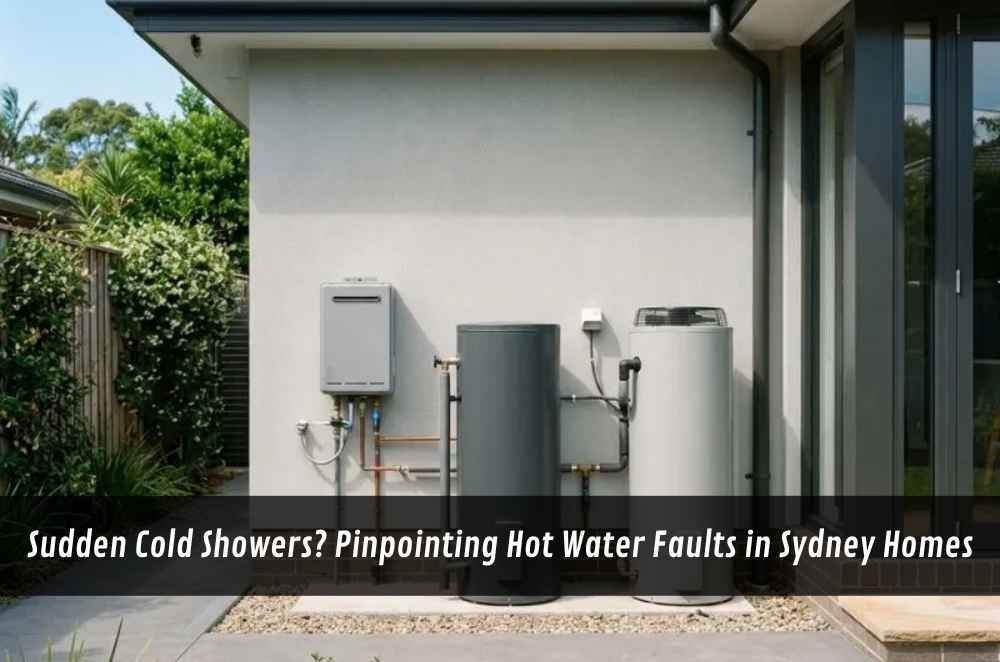
A hot shower that turns icy halfway through is more than an inconvenience—it often signals an underlying fault that will only grow costlier if ignored. Sydney’s mix of older terrace houses, high-rise apartments, and new builds means the reasons behind hot-water hiccups vary widely. Yet most breakdowns trace back to a predictable shortlist of issues that can be spotted early—and sometimes fixed quickly—if you know what to look for. Many residents keep a plumber’s details on standby, but understanding the basics lets you act faster, ask sharper questions, and save money in the long run. For stubborn faults or complete loss of hot water, reliable hot water system repairs remain the surest path to getting the taps running hot again.
Why Your Water Goes Cold Without Warning
Temperature drops rarely happen out of nowhere. In storage tanks, a failing thermostat or burned-out heating element is common. Continuous-flow units can throttle back if a flow sensor malfunctions or if inlet filters clog with mineral deposits found in Sydney’s water supply. Gas heaters add their own wrinkles: a weak thermocouple may shut off the gas as a safety measure, while flue blockages can trip internal sensors.
Weather also plays a part. A string of cool, overcast days forces solar systems to rely on electric or gas boosters—if that booster is overdue for servicing, you will feel it in the shower. Even a high-demand morning when multiple fixtures compete for hot water can reveal an undersized or ageing unit reaching its limit.
Early Signs Something’s Off
Most systems don’t fail overnight; they telegraph trouble weeks in advance. A mild but persistent metallic smell can indicate internal tank corrosion. A popping or rumbling noise under heating cycles often means sediment has settled on the tank floor, creating hot spots that accelerate wear. Water that looks cloudy or rust-tinted after running hot for a few seconds points to an anode rod nearing the end of its service life.
Practical Checks Before You Reach for the Phone
Not every hiccup requires tools. First, confirm the problem is local: run only cold water from another tap; if pressure is normal, the issue sits squarely with the hot line. Next, walk to the heater. Is the pilot light out on a gas unit? Relighting per the manufacturer’s instructions can restore service. For electric storage tanks, a tripped circuit breaker is an easy fix—reset it once, and see whether the tank heats within the hour.
Sydney’s ever-growing apartment stock often hides heaters in cupboards or ceiling voids. Make sure vents aren’t blocked by storage boxes; poor airflow forces safety sensors to shut the burner. If you own a continuous-flow system, check the inline water filter. A quick rinse under the tap can improve flow and temperature stability.
If the basics don’t resolve things, avoid deeper disassembly. Removing access panels can void warranties or expose live wiring and pressurised valves. Document what you’ve observed—error codes, noises, smells—and share the details when booking service. Precise information often trims the call-out time.
Calling in the Pros: What to Expect
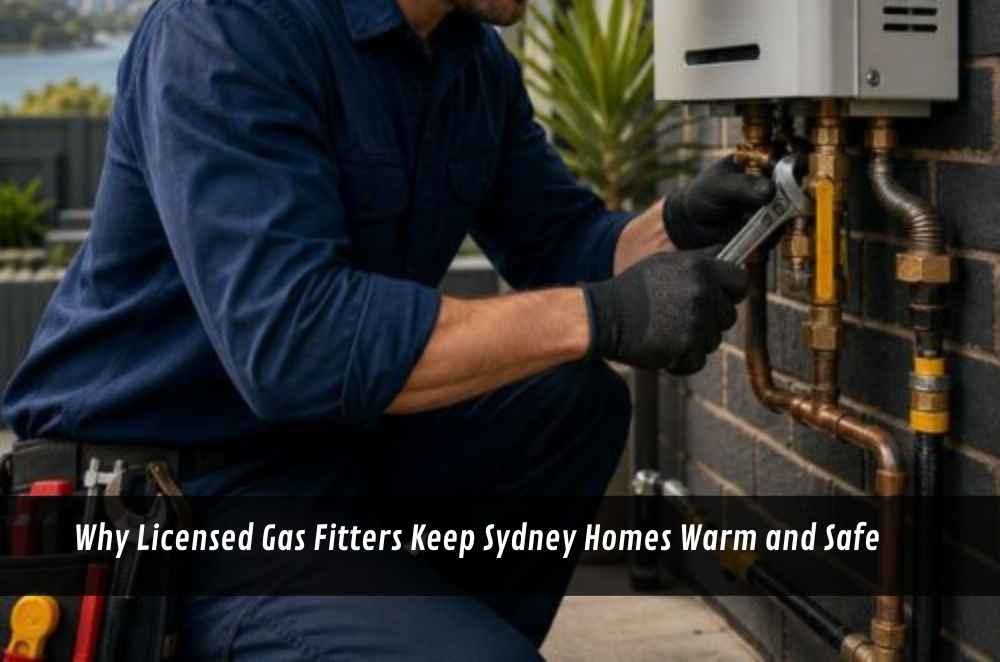
Licensed technicians arrive with calibrated gauges, combustion analysers, and replacement components specific to your heater’s brand. After isolating water and power supplies, they’ll test thermostat accuracy, measure gas pressure, and inspect sacrificial anodes. If sediment buildup is heavy, a full flush restores efficiency and quiet operation. Replacing a faulty tempering valve (the device that blends hot and cold to a safe 50 °C) is usually a same-day task.
A well-maintained unit typically lasts a decade or more. Scheduling a professional service every two to three years balances cost against longevity; the check-up fee is modest next to emergency replacement on a Sunday night.
Sydney’s housing density also raises a water-wisdom point: strata bylaws may dictate service intervals, noise limits during maintenance, and disposal requirements for old tanks. Clarify these before booking; reputable plumbers coordinate directly with building managers to streamline approvals.
After repairs, keep an eye on the early-warning signs outlined earlier. A logbook noting dates of service, part replacements, and warranty expiry dates prevents paperwork headaches and supports better budgeting for eventual upgrades.
Where Most Savings Hide
Efficiency isn’t just about kilowatt-hours or megajoules; it shows in convenience. Consider simple tweaks: installing low-flow showerheads cuts demand without sacrificing comfort, buying purpose-built lagging for exposed rooftop pipework keeps heat loss in check, and setting thermostats no higher than 60 °C slows corrosion inside steel tanks.
Households with rooftop solar PV can add a timer so the electric booster runs during daylight, offsetting grid draw. These measures often pay for themselves within a couple of billing cycles and lessen strain on the heater—delaying replacement by years.
A final note: branded parts matter. After-market valves may cost less upfront but rarely match the lifespan of OEM components. Sticking with manufacturer-approved spares keeps performance predictable and protects warranties.
FAQs
How often should a hot water system be serviced?
Plan on a professional inspection every two to three years for most units. High-use setups—such as share houses or properties with hard water—benefit from annual checks.
Can I replace the anode rod myself?
It’s technically possible if you’re confident shutting off water, relieving pressure, and lifting a component that can weigh a few kilos. However, cross-threading or overtightening the new rod risks tank damage, so many owners prefer a licensed plumber.
Are heat-pump systems worth the higher upfront cost?
In mild Sydney winters, heat-pump units draw heat from ambient air efficiently. Over a ten-year span, the reduced electricity spend often outweighs the purchase premium, especially when government rebates apply.
Will installing a tempering valve make showers cooler?
A tempering valve blends hot and cold to deliver water around 50 °C at the outlet, protecting against scalds. You’ll still enjoy hot showers; the valve simply prevents dangerously high temperatures.