Why Does Marble Turn Yellow? Causes, Solutions, and Prevention Tips -marble showroom in bangalore
-

- September 10th, 2026
- 2,240 views

FREE SEO Topical Map Generator: Find Your Next Content Ideas
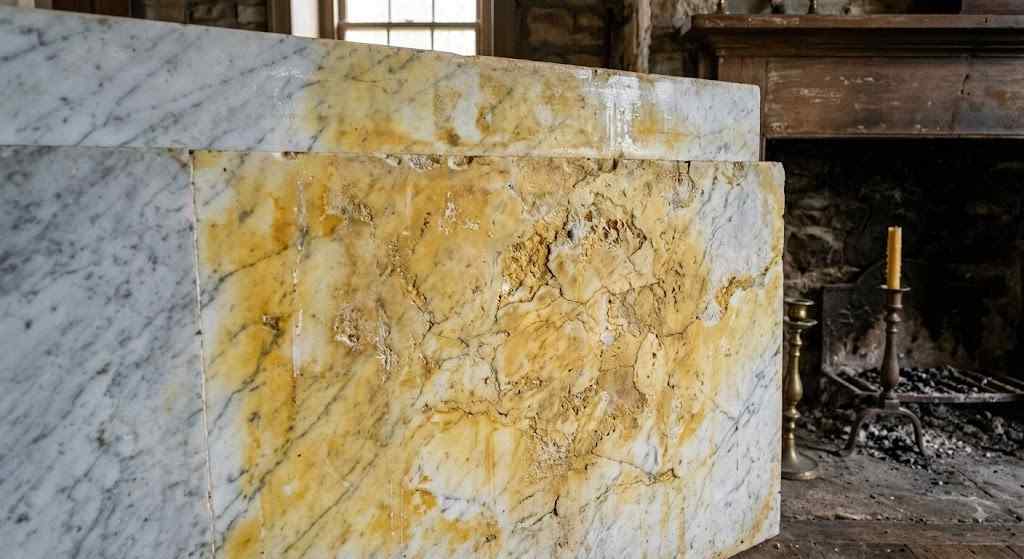
Marble is valued for its natural veining, smooth finish, and timeless appearance, but its surface can sometimes develop a yellowish tone. This change may be gradual or appear more noticeably in areas exposed to moisture, dust, cleaning products, or sunlight. Understanding why marble changes colour is important for maintaining its original character and avoiding treatments that may cause further damage.
Whether the stone is installed on flooring, countertops, walls, staircases, or other surfaces, the right care routine can make a significant difference. The following guide explains the common causes of yellowing, practical ways to address it, and preventive measures that can help preserve the stone.
Understanding Marble Stores in Bangalore
When selecting marble for a new project or replacing an existing surface, the quality and condition of the stone matter from the beginning. Visiting marble stores in bangalore can give buyers an opportunity to inspect different varieties, finishes, thicknesses, and surface characteristics before making a decision.
It is also useful to ask about the recommended cleaning and maintenance routine for the particular marble being considered. Different stones can respond differently to moisture, chemicals, polishing methods, and environmental conditions, so understanding the material before installation can help reduce avoidable maintenance problems.
What Causes Marble to Turn Yellow?
Yellowing does not always have one single cause. Several factors can gradually affect the appearance of natural stone.
Oxidation and Iron Content
Some marble contains naturally occurring minerals, including iron-bearing compounds. When these minerals come into contact with moisture and oxygen over time, oxidation can occur. This may create yellow, brown, or rusty-looking areas within or beneath the surface.
This type of discolouration can be more difficult to remove because the change may originate from within the stone rather than simply sitting on top of it.
Moisture and Poor Drying
Repeated exposure to water can contribute to staining, particularly when moisture becomes trapped beneath the surface or inside porous areas. Bathrooms, kitchens, balconies, and other damp environments may require additional attention.
If water remains on marble for extended periods, minerals or contaminants can become deposited as the surface dries. Persistent moisture can also make existing discolouration more noticeable.
Incorrect Cleaning Products
Strong acidic cleaners, harsh chemicals, or unsuitable household products can affect marble. Since marble is a calcium-based natural stone, acidic substances may react with its surface and gradually damage the finish.
Even when a cleaner does not immediately create a yellow stain, repeated use can dull the surface, making it appear older or less uniform.
Wax, Coating, and Residue Build-Up
Some cleaning or polishing products leave a film over the stone. Repeated application can create layers of residue that attract dust and alter the surface appearance.
Older waxes, sealers, adhesive residues, and other coatings can sometimes become yellow or amber as they age. In such cases, removing the unwanted layer may be more appropriate than treating the marble itself.
Exposure to Heat and Sunlight
Strong sunlight and prolonged heat can affect certain surface treatments, coatings, adhesives, and surrounding materials. If yellowing appears mainly in a particular area exposed to sunlight, it is worth considering whether the change is related to the coating or finishing material rather than the stone alone.
How to Remove Yellowing From Marble Safely
The correct treatment depends on what is causing the colour change. Before attempting an aggressive cleaning method, identify whether the issue is surface residue, staining, moisture-related discolouration, or a change within the stone.
For light surface dirt, a soft cloth or mop with a suitable pH-neutral stone cleaner may be enough. Avoid abrasive scrubbers because they can create fine scratches and make polished marble look dull.
If the yellowing is caused by an old coating or residue, professional stone cleaning may be necessary. A specialist can assess the surface and determine whether cleaning, stripping, honing, polishing, or another treatment is appropriate.
For deeper stains, avoid experimenting with strong acids or unverified bleaching products. A treatment that works on ceramic or other hard surfaces may damage natural stone. Testing any cleaning method on a small, inconspicuous area is a sensible precaution.
Choosing the Right Marble Showroom in Bangalore
When buying new stone, marble showroom in bangalore searches can help buyers identify places where they can physically compare different marble options. Seeing slabs in person can be particularly useful because natural stone may have variations in colour, veining, texture, and mineral composition.
A good buying process should involve more than simply choosing the most attractive slab. Consider the intended application, expected exposure to moisture, cleaning requirements, finish, and long-term maintenance. Asking relevant questions before purchase can help you select a material that suits the environment where it will be installed.
Prevention Tips to Keep Marble Looking Clean
Preventing discolouration is generally easier than trying to correct an established stain. A few simple habits can help protect the surface.
Clean Spills Quickly
Water, food, oils, cosmetics, and other substances should not be left sitting on marble for long periods. Blot spills rather than aggressively rubbing them across the surface.
Use Marble-Safe Cleaners
Choose products specifically designed for natural stone. A mild, pH-neutral cleaner is generally preferable to acidic or highly abrasive cleaning solutions.
Keep Wet Areas Dry
Bathrooms and kitchen surfaces should be dried when possible. Good ventilation can also help reduce prolonged moisture exposure.
Avoid Abrasive Materials
Steel wool, rough scouring pads, and abrasive powders may scratch polished surfaces. Use soft microfiber cloths, non-abrasive tools, or other suitable cleaning materials.
Maintain the Surface Properly
Depending on the application and type of marble, professional cleaning, polishing, or sealing may be useful. Maintenance should be based on the condition and characteristics of the stone rather than following a one-size-fits-all schedule.
Finding Marble Near Me for a Replacement or Renovation
If an existing surface has severe discolouration or is no longer suitable for the space, searching for marble near me can help narrow down local options for comparing new slabs. Before purchasing, inspect the material carefully under suitable lighting and discuss how it should be cleaned and maintained after installation.
It is also worth considering whether the problem is actually with the marble itself. In some situations, replacing the stone may be unnecessary if professional cleaning or restoration can address the underlying issue.
When Should You Seek Professional Marble Care?
Professional assistance is worth considering when yellowing persists after gentle cleaning, appears to originate beneath the surface, or is accompanied by etching, scratches, coating failure, or extensive staining.
A trained stone-care professional can assess the condition before recommending a treatment. This is especially important for expensive installations where an incorrect chemical or polishing technique could permanently affect the appearance.
Conclusion
Marble yellowing can result from oxidation, moisture, unsuitable cleaning products, residue, coatings, or environmental exposure. Identifying the actual cause is the first step toward choosing the right solution.
Regular cleaning with appropriate products, quick spill management, moisture control, and careful maintenance can help preserve marble for longer. When discolouration becomes difficult to diagnose or remove, professional assessment is usually safer than aggressive DIY treatments. With the right care from the beginning, marble can continue to provide an elegant and durable finish for years.check pratibha marbles