How Long It Takes to Install a Solar PV System: Typical Timelines and Key Factors
-

- March 08th, 2026
- 1,635 views
The time to install a solar PV system varies by project size, location, permitting, and equipment availability. For homeowners and businesses planning to install a solar PV system, understanding the typical timeline helps set realistic expectations and schedule inspections, utility interconnection, and possible roof work.
- Physical installation of a typical residential rooftop system: usually 1–3 days.
- Permitting, approvals, and utility interconnection commonly add 2–8 weeks or longer.
- Commercial or utility-scale projects can take months to years depending on complexity.
How long does it take to install a solar PV system?
Installing a rooftop residential system commonly involves several distinct phases: site assessment and design, permitting, procurement, physical installation, inspection and commissioning, and utility interconnection. While the on-site construction often takes only a few days, the overall process from contract to live operation generally ranges from a few weeks to several months.
Typical timeline by step
1. Site assessment and system design (1 day to 2 weeks)
An initial site survey evaluates roof condition, orientation, shading, structural capacity, and electrical service. A complete design package with panel layout, racking details, inverter selection, and electrical drawings may take a few days to two weeks, depending on complexity and whether structural engineering is required.
2. Permitting and approvals (1–8 weeks or longer)
Local building permits, zoning approvals, and sometimes HOA reviews are common. Permit processing times differ widely: some jurisdictions provide same-week approvals, while others have multi-week backlogs. Projects that require a building permit, structural plan review, or special zoning variances will take longer. Utility interconnection applications for net metering or export can also add time when the utility has an application queue.
3. Equipment procurement (days to several weeks)
Ordering solar panels, inverters, mounting hardware, and batteries (if included) depends on supply chain and installer sourcing. Standard equipment is usually available within days to a few weeks; specialty components or large commercial orders may extend lead times.
4. Physical installation (1–7 days for most residential; weeks to months for large commercial)
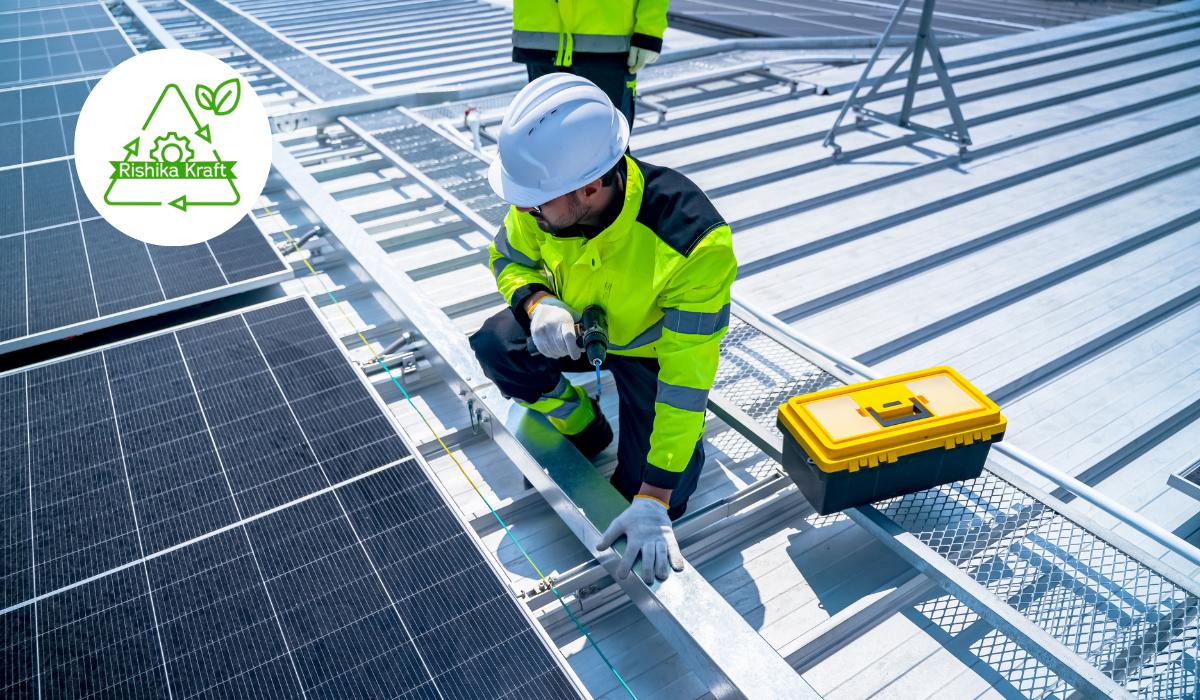
For a typical residential rooftop system, a professional crew often completes racking, module installation, and inverter and electrical wiring in 1–3 days. Ground-mounted arrays, large commercial rooftops, or systems with battery storage can require several days to multiple weeks due to trenching, concrete foundations, or more complex electrical work.
5. Inspection, commissioning, and interconnection (1 day to several weeks)
After installation, a local building inspector or electrical inspector must approve the work. Scheduling inspections depends on local agency availability. Once inspected and approved, the utility performs meter upgrades or final interconnection steps. Utilities may have separate review timelines and may issue permission to operate (PTO) only after completing their interconnection checks.
Factors that affect installation time
- Permit and utility backlog: High-volume markets or understaffed jurisdictions increase wait times.
- Project size and complexity: Larger arrays, ground mounts, battery integration, or structural reinforcement extend schedules.
- Roof condition and accessibility: Older roofs, steep slopes, or complex rooflines require extra assessment or repairs before installation.
- Equipment availability: Supply chain delays for panels, inverters, or batteries can add weeks or months.
- Weather and season: Rain, snow, or high winds can delay outdoor work; busy seasons may strain installer capacity.
- Interconnection requirements: Utilities have different technical and administrative processes; upgrades to service panels or meters may be needed.
Typical case examples
Residential rooftop, straightforward case
From signed contract to permission to operate: typically 4–8 weeks. On-site installation: 1–3 days. Permits and utility approvals commonly account for most of the time.
Residential with roof replacement or battery storage
If a roof needs replacement before solar can be mounted or a battery system is added, total project duration can stretch to 8–16 weeks or more due to additional trades and inspections.
Commercial or utility-scale projects
Large projects usually require detailed engineering, environmental reviews, land use approvals, and extended interconnection studies. Timelines for commercial systems often span several months to a year; utility-scale projects can take multiple years from initial planning through construction and grid integration.
How to reduce delays
- Choose an experienced installer familiar with local permitting and utility requirements.
- Provide accurate documentation early (roof plans, electrical one-line diagrams, HOA approvals) to speed reviews.
- Confirm equipment lead times and consider alternatives if specific components are delayed.
- Coordinate roof repairs or replacements before solar design is finalized.
- Check local authority requirements and utility interconnection processes in advance; some utilities publish guidance for applicants.
For more detailed guidance about permitting, interconnection procedures, and best practices, consult resources from national research organizations such as the National Renewable Energy Laboratory (NREL).
National Renewable Energy Laboratory (NREL)
When to expect variations
Expect longer timelines in areas with strict historic preservation rules, remote locations that require shipping and logistics planning, or where utility interconnection queues are long. Conversely, jurisdictions with streamlined permitting programs or online permitting portals can shorten the process significantly.
Cost and scheduling considerations
Installation time has an indirect cost impact: extended timelines may delay incentive applications, tax credits, or utility rate changes tied to a project start or commercial operation date. Confirm scheduling details in any contract, including expected dates for design completion, permit submission, installation, and commissioning.
FAQ
How long does it take to install a solar PV system?
Physical installation of a typical residential solar PV system usually takes 1–3 days. Including permitting, equipment delivery, inspections, and utility interconnection, most residential projects complete in roughly 4–12 weeks. Timelines vary widely based on location, project complexity, and local permitting or utility processes.
How long does a commercial solar installation take?
Commercial installations often require more detailed engineering, additional permitting, and larger interconnection studies. Expect several weeks to many months from design to commissioning, depending on project scale and grid upgrade needs.
Can the installation be done faster?
Some projects move faster when permitting is streamlined, equipment is in stock, and the installer has local experience. Pre-arranging necessary documents, choosing proven equipment, and coordinating with utilities early can shorten overall time.
Who inspects the system and how long do inspections take?
Local building and electrical inspectors verify compliance with codes; scheduling depends on the local authority having jurisdiction (AHJ). Utilities may also perform separate inspections for interconnection. Inspection time itself is typically a few hours, but scheduling can add days or weeks.