Polyurea Coatings for Infrastructure: Durable, Fast-Cure Solutions for Bridges, Tanks, and Concrete
-

- March 19th, 2026
- 362 views

Get a free topical map and start building content authority today.
Introduction
Polyurea coatings for infrastructure are high-performance, spray-applied elastomeric coatings used to protect and extend the life of bridges, wastewater tanks, concrete decks, and other civil assets. These coatings are valued for fast cure times, durable waterproofing, and abrasion and corrosion resistance—characteristics that reduce downtime and long-term maintenance costs.
- Polyurea is a fast-curing elastomeric coating that improves waterproofing, abrasion resistance, and chemical protection for infrastructure.
- Use the SCALE checklist (Surface, Compatibility, Application, Lifecycle, Environment) to specify and evaluate polyurea systems.
- Common uses include bridge joints, containment tanks, concrete membranes, and secondary containment; trade-offs include surface prep needs, equipment cost, and application skill.
Detected intent: Informational
Core questions users search about polyurea
- What are the durability advantages of polyurea compared with epoxy or polyurethane?
- How is polyurea applied to concrete or steel surfaces in infrastructure projects?
- Which standards or inspection practices apply to polyurea coatings for tanks and bridges?
- What are realistic service-life expectations for polyurea protective coatings?
- What surface-preparation and environmental controls are essential for successful polyurea application?
Polyurea coatings for infrastructure: what they do
Polyurea is an elastomer formed by the reaction of an isocyanate component with an amine-terminated resin. The chemistry produces a cross-linked, flexible film with high tensile strength, excellent elongation, and resistance to UV-degradation when formulated for exterior use. Key protective functions include waterproofing, corrosion inhibition for steel substrates, abrasion resistance for high-traffic decks, and chemical resistance for wastewater containment.
How polyurea protects structures
Waterproofing and concrete protection
When applied as a continuous membrane, polyurea prevents water ingress that drives freeze-thaw damage, rebar corrosion, and concrete spalling. This reduces the rate of deterioration and extends maintenance cycles.
Abrasion and impact resistance
High-energy areas such as bridge decks, expansion joints, and industrial floors benefit from polyurea’s toughness. The coating resists chipping and wear where traditional coatings can fail.
Fast return-to-service
Rapid cure—sometimes measured in seconds to minutes—allows shorter closures for road lanes or tanks. That fast cure is a practical advantage on projects with tight schedules.
SCALE Checklist for selecting and specifying polyurea
Use this named checklist (SCALE) during specification and procurement to ensure performance and successful installation:
- Surface — Verify substrate soundness and specify abrasive blasting or mechanical profiling to required standards.
- Compatibility — Confirm adhesion to existing materials (concrete, steel, existing coatings) and select primers where needed.
- Application — Define spray equipment, ambient and surface temperatures, and applicator qualifications.
- Lifecycle — Specify expected service life, inspection intervals, and maintainability (touch-up protocols).
- Environment — Account for UV exposure, chemical exposure, and local regulatory requirements for volatile emissions and safety.
Standards and best-practice guidance for coatings and surface preparation are maintained by recognized industry bodies; refer to relevant standards and inspection protocols when specifying a system. For standards and organizational guidance, consult AMPP (Association for Materials Protection and Performance) for up-to-date normative references and best practices: https://www.ampp.org/.
Real-world example: wastewater tank rehabilitation
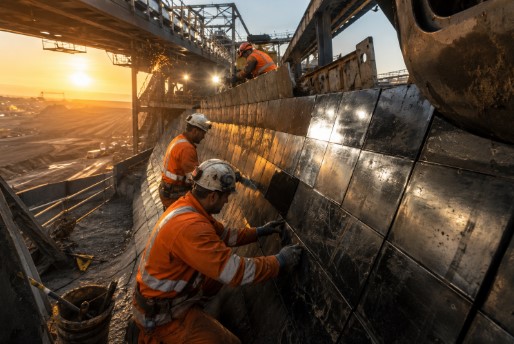
Scenario: A municipal wastewater authority needs to rehabilitate a 30-year-old reinforced concrete digestor showing ring corrosion and hairline cracks. Application steps that demonstrate value:
- Surface preparation: localized grinding to remove delaminated concrete, patching with repair mortar, and abrasive blasting to an ICRI CSP appropriate profile.
- Priming: apply an adhesion promoter designed for substrate and polyurea chemistry.
- Polyurea membrane: spray two coats to build the specified DFT (dry film thickness) with inspection for holidays using an electrical holiday tester.
- Outcome: immediate return to service after short cure; reduced infiltration and corrosion; project life-cycle costs lowered by delaying full structural replacement.
Practical tips for successful polyurea projects
- Specify surface-profile metrics (e.g., ICRI CSP) instead of vague terms like "clean and dry."
- Control substrate and ambient temperature during application; polyurea is sensitive to moisture and temperature at the point of spray.
- Use qualified applicators with track records on infrastructure projects and require mock-ups for acceptance before full-scale work.
- Plan for inspection: include holiday testing, adhesion tests, and documented DFT checks in the contract.
Trade-offs and common mistakes
Trade-offs
Polyurea delivers rapid cure and durability, but equipment cost and applicator skill are higher than simpler coatings. For smaller projects, initial capital can be a barrier despite lifecycle savings.
Common mistakes
- Insufficient surface preparation—failure here is the leading cause of adhesion failures.
- Ignoring environmental controls—moisture on the substrate can cause amine-blushing or foaming.
- Underspecifying film thickness—thin applications may not provide the intended waterproofing or abrasion resistance.
Inspection and lifecycle considerations
Include routine inspections for UV degradation (if non-UV-stable formulations are used), mechanical damage, and chemical exposure. Establish scheduled maintenance windows and criteria for localized repair versus full recoat to control long-term asset management costs.
Conclusion
Polyurea coatings for infrastructure are a pragmatic choice where fast cure, flexibility, and durable protection reduce downtime and extend service life. Use the SCALE checklist to prepare a specification, require experienced applicators, and enforce clear inspection criteria to capture the full benefits while managing costs and risks.
FAQ
What are polyurea coatings for infrastructure, and where are they used?
Polyurea coatings are fast-cure elastomeric coatings used for waterproofing, corrosion protection, and abrasion resistance. Common applications include bridge joints and decks, wastewater tanks, concrete containment, industrial floors, and secondary containment systems.
How does polyurea compare with epoxy for concrete protection?
Polyurea generally cures faster, offers greater elongation and abrasion resistance, and tolerates some substrate movement better than typical epoxies. Epoxy may be less costly and easier to apply in some environments but often lacks the toughness and rapid return-to-service of polyurea.
What surface preparation is required before applying polyurea?
Surface preparation often requires abrasive blasting or mechanical profiling to achieve the specified surface profile (e.g., ICRI CSP), removal of contaminants, and proper priming. The exact method depends on substrate type and existing conditions.
How long does polyurea last on infrastructure assets?
Service life depends on formulation, exposure conditions, and maintenance. Well-specified and installed systems commonly provide multi-year to multi-decade performance when inspections and repairs are managed proactively.
Can polyurea be applied in cold or humid conditions?
Application in cold or humid conditions is possible but requires tighter controls on substrate temperature and moisture. Use experienced applicators and follow manufacturer and standards guidance to avoid defects like foaming or poor adhesion.