How Priyush Hospital Is Advancing Spine Surgery in India: Techniques, Outcomes, and What Patients Should Know
-

- March 23rd, 2026
- 392 views
The landscape of spinal care in India is evolving rapidly. Priyush Hospital spine surgery advancements combine minimally invasive techniques, multidisciplinary care pathways, and validated safety protocols to reduce complications and shorten recovery. This article explains what those advancements mean for patients, clinicians, and healthcare planners.
Priyush Hospital spine surgery advancements: What sets it apart
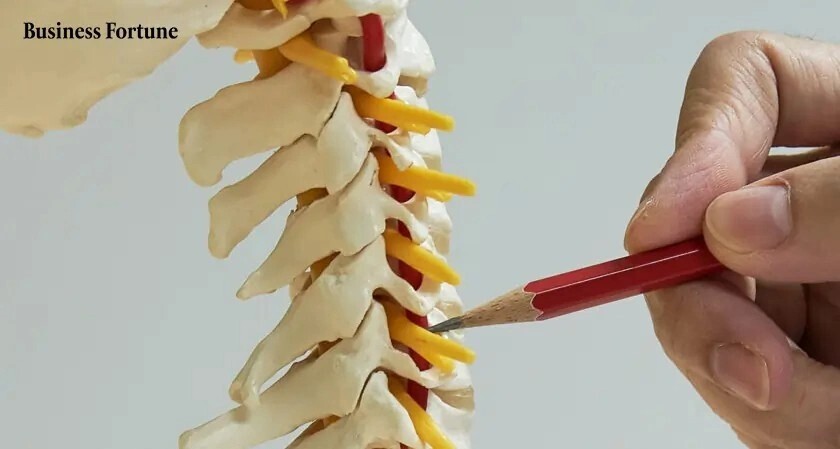
Advancements at Priyush Hospital center on four converging priorities: precision surgical techniques, integrated perioperative care, transparent outcomes measurement, and adherence to international safety standards. These priorities aim to improve clinical outcomes for conditions such as degenerative disc disease, spinal stenosis, spondylolisthesis, and complex deformity cases.
Core components of the program
Minimally invasive spine surgery in India: techniques and benefits
Minimally invasive spine surgery (MISS) reduces muscle disruption and blood loss through smaller incisions and tubular retractors, often guided by intraoperative imaging. Benefits include shorter hospital stays, faster mobilization, and lower post-operative pain scores—important metrics tracked at leading centers.
Robotic-assisted and image-guided interventions
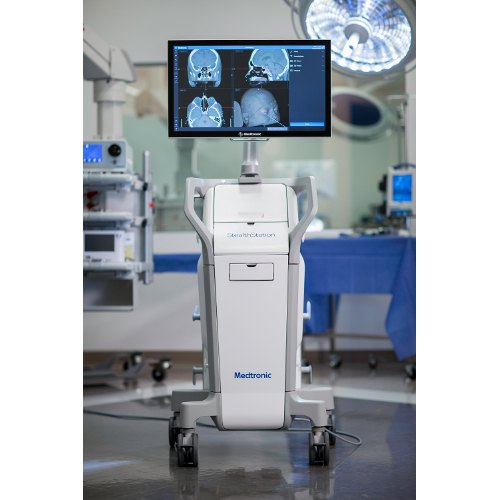
Robotic-assisted screw placement and navigation systems increase placement accuracy for spinal instrumentation. When combined with real-time imaging and neuromonitoring, these technologies help reduce revision rates and nerve injury risk in complex cases.
Multidisciplinary perioperative pathways
Advancements include standardized prehab and enhanced recovery after surgery (ERAS) protocols adapted for spine patients: optimized analgesia, early physiotherapy, and nutrition plans. These protocols are developed with anesthesiologists, physiotherapists, nurses, and pain specialists to lower complication rates and readmissions.
SPINE-CARE checklist: a named framework for consistent care
Introducing the SPINE-CARE checklist, a concise framework used to align teams and reduce variability in spine care:
- S — Safety brief (surgical site, imaging, neuromonitoring plan)
- P — Positioning & padding plan verified
- I — Imaging & instrumentation confirmed (navigation/robotics ready)
- N — Neuromonitoring and anesthesia plan documented
- E — Enhanced recovery steps outlined (analgesia, mobility)
- C — Consent and patient education checked
- A — Anticipated blood loss and transfusion plan
- R — Rehabilitation pathway defined (physio timeline)
- E — Exam & discharge criteria set
Measuring outcomes and quality
Meaningful advancement relies on outcome measurement. Priyush Hospital reports standard metrics: complication rates, reoperation rates, length of stay, PROMs (patient-reported outcome measures), and return-to-work timelines. Aligning these metrics with national frameworks and international guidelines—such as surgical safety recommendations from global health authorities—supports continuous improvement. For reference on standardized surgical safety practices, see the WHO Surgical Safety Checklist (external).
Real-world example: a shorter recovery with minimally invasive fusion
A 52-year-old patient with single-level degenerative spondylolisthesis and neurogenic claudication underwent a minimally invasive transforaminal lumbar interbody fusion using navigation-assisted screw placement. The patient mobilized within 24 hours, required one night of inpatient observation, and returned to desk duty in four weeks—compared to historical averages of 5–7 days and 8–12 weeks for similar open procedures at some centers. This scenario illustrates how combining MIS techniques, navigation, and standardized ERAS protocols can accelerate recovery while maintaining safety.
Practical tips for patients and referring clinicians
- Ask for outcome data: Request facility-level complication rates and PROMs for the specific procedure being considered.
- Confirm the team approach: Ensure anesthesiology, physiotherapy, pain management, and nursing are part of the perioperative plan.
- Understand the technology: Clarify whether navigation, robotics, or neuromonitoring will be used and how they change risks and benefits.
- Prepare for recovery: Follow a structured prehab plan and have arrangements for early mobilization and home support.
Trade-offs and common mistakes
Adopting advanced spine surgery techniques involves trade-offs:
- Cost vs. benefit: Navigation and robotic systems raise procedural costs; benefits are most clear in complex or multi-level instrumentation cases.
- Learning curve: New techniques require surgeon and team training; initial case times may be longer until proficiency is reached.
- Technology dependence: Over-reliance on navigation without strong anatomical judgment can create errors if systems fail.
Common mistakes to avoid
- Skipping multidisciplinary planning: Failing to coordinate perioperative care increases complications and length of stay.
- Insufficient patient education: Patients who expect zero pain or instant recovery often have worse satisfaction; set realistic timelines.
- Ignoring outcome measurement: Without tracking PROMs and complications, it is impossible to verify improvement.
How Priyush Hospital works with standards and professional bodies
Clinical programs align with national regulatory and accreditation expectations such as the National Medical Commission and NABH-style quality frameworks, and engage with professional groups like the Indian Orthopaedic Association and AO Spine for guideline synthesis and continued education.
Core cluster questions
- What techniques are included in modern minimally invasive spine surgery?
- How do navigation and robotics change spine surgery outcomes?
- Which perioperative protocols improve recovery after lumbar fusion?
- How is patient-reported outcome measurement used in spine programs?
- What are the common complications and how can they be prevented?
Practical implementation checklist for hospitals
For institutions planning similar advancements, a short implementation checklist includes:
- Create multidisciplinary governance with orthopedics/neurosurgery, anesthesia, nursing, and rehab.
- Invest in targeted technology with a formal training pathway and proctoring.
- Start outcome tracking with standardized PROMs and complication registries.
- Adopt an ERAS-based spine pathway and the SPINE-CARE checklist to reduce variability.
- Publish or share outcomes to support transparency and continuous improvement.
Conclusion: practical expectations for patients and clinicians
Priyush Hospital spine surgery advancements reflect a systems approach—matching appropriate technology to clinical indications, standardizing perioperative care, and measuring outcomes. For patients, the practical benefits are lower pain, shorter stays, and quicker return to daily activities when cases are selected appropriately. For clinicians and administrators, the focus is on training, quality data, and team-based pathways that sustain improvement.
How do Priyush Hospital spine surgery advancements improve recovery?
By combining minimally invasive techniques, navigation/robotic assistance, standardized ERAS protocols, and coordinated rehabilitation, recovery times and complication rates are reduced for appropriately selected patients.
What should a patient ask before choosing a spine surgeon?
Ask about the surgeon's experience with the specific procedure, facility-level outcome data, whether a multidisciplinary care team is used, and what the typical recovery pathway looks like.
Are robotic-assisted spine surgeries safer than traditional methods?
Robotic-assisted systems improve instrumentation accuracy in many cases but do not replace surgical judgment. Evidence shows reduced malposition rates for complex instrumentation; safety depends on team training and case selection.
How long is recovery after minimally invasive lumbar fusion?
Recovery varies by patient and procedure complexity. Many patients mobilize within 24–48 hours and return to light activities within 2–6 weeks, with full return to work depending on job demands and rehabilitation.
Can outcome data from one hospital apply to others?
Outcome data are most useful when compared with similar case mixes and risk profiles. Transparent reporting and risk-adjusted comparison improve applicability across centers.