Spa SEO Marketing Services: Practical Guide to Grow Local Spa Bookings
-
- March 03rd, 2026
- 276 views
Growing a spa depends on targeted visibility, consistent local signals, and a website that converts browsers into bookings. Implementing spa SEO marketing services starts with local keyword research, Google Business optimization, and on-site technical fixes that improve search rankings and booking rates.
- Goal: Increase local visibility and online bookings using spa SEO marketing services.
- Primary focus areas: Local SEO, site optimization, content targeting, technical SEO, and reviews.
- Detected intent: Informational
- Secondary keywords: local spa SEO; spa website optimization
spa SEO marketing services: core strategies that drive bookings
spa SEO marketing services combine local search optimization, targeted content, and technical site health to attract nearby clients and increase appointment conversions. Focus on search intent that targets transactional queries — for example, "massage near me" or "facial spa open today" — then align site pages, Google Business Profile, and directories to those queries.
Why SEO matters for spas (and what to expect)
Search engines are the most common discovery path for local health and beauty services. Optimized search presence increases high-intent traffic (people ready to book), reduces dependency on paid ads, and amplifies word-of-mouth through reviews. Expect gradual improvements over weeks to months for local signals; more competitive markets require ongoing optimization.
Core components of an effective spa SEO marketing services program
1. Local presence and Google Business Profile
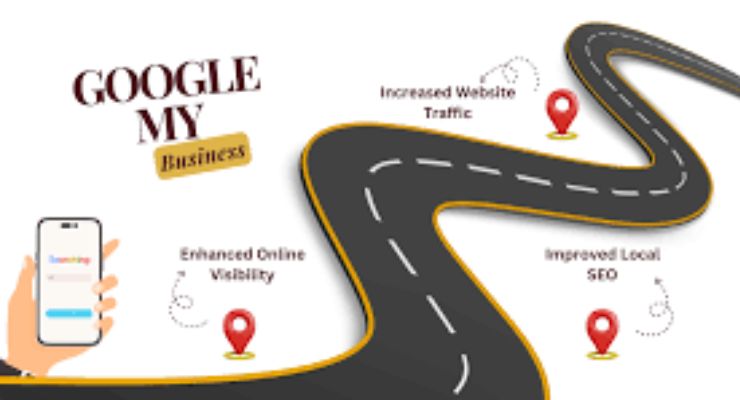
Claim and fully populate the Google Business Profile: categories, services, photos, correct address, and business hours. Use appointment links and service lists. Consistent NAP (Name, Address, Phone) across directories helps citations and local rankings.
2. Local keyword targeting and content
Map service pages to local intent keywords (for example, "deep tissue massage [city]", "medspa chemical peel near me"). Create short, service-specific pages that answer booking, pricing, and benefits questions, plus FAQ content addressing pre-visit instructions and safety.
3. On-site and technical SEO
Ensure fast mobile performance, clear booking CTAs, schema markup for local business and services, and an accessible site structure. Use descriptive URLs and title/meta tags that include local modifiers and service names.
4. Reviews, reputation, and conversions
Ask satisfied clients for reviews on Google and industry platforms. Display testimonials and trust signals on service pages. Use clear booking flows to reduce friction and track conversions through analytics and call tracking.
SPA SEO Growth Framework (REFINE)
Use the REFINE framework as a repeatable model for spa SEO marketing services:
- Research: Local keywords, competitor listings, and search intent.
- Experience: Improve mobile UX, booking flow, and on-site content.
- Fundamentals: NAP consistency, Google Business Profile, directory profiles.
- Indexing & Technical: Site speed, sitemap, schema, and mobile-first design.
- Nurture: Email follow-ups, promotions, and review requests.
- Evaluate: Track rankings, traffic, bookings, and iterate monthly.
Practical SPA SEO checklist
- Claim Google Business Profile and add services, photos, and appointment link.
- Create local landing pages for each core service and city area served.
- Implement local schema and service schema on relevant pages.
- Optimize page speed and mobile booking experience.
- Set up analytics and conversion tracking for appointments and calls.
Real-world scenario
Example: A boutique spa in Portland had inconsistent directory listings and thin service pages. By consolidating NAP citations, creating distinct pages for 'Swedish massage Portland' and 'facial treatments Portland', adding booking schema, and requesting Google reviews after appointments, the spa increased organic booking requests through the site and calls from Google Business Profile within three months.
Core cluster questions
- How should a spa structure service pages for local SEO?
- What local citations and directories matter most for a spa?
- How to use reviews to improve local search performance?
- Which technical SEO issues commonly hurt spa websites?
- How to track ROI from spa SEO marketing services?
Practical tips (3–5 actionable points)
- Optimize the Google Business Profile first: add services, high-quality images, and weekly posts to maintain freshness.
- Target a short list of local long-tail keywords per service (e.g., 'hydra facial [neighborhood]' and use them in H1, URL, and meta description).
- Install booking schema and ensure appointment CTAs are visible within two scrolls on mobile.
- Request reviews immediately after service via a simple SMS or email with a direct Google review link to increase completion rates.
- Monitor technical health weekly with a crawl tool and fix issues like duplicate content, missing alt text, or slow page loads.
Common mistakes and trade-offs
Common mistakes when implementing spa SEO marketing services include duplicating content across service pages, over-optimizing with keyword stuffing, and neglecting mobile UX. Trade-offs often arise between investing in rapid paid acquisition and slower organic growth: paid ads can produce immediate bookings but require continual spend, while SEO is cumulative and builds long-term value but requires upfront effort and time.
When to prioritize which tactic
- If immediate bookings are needed, pair paid ads with a landing page optimized for conversions while the SEO program matures.
- If the budget is limited, focus on Google Business Profile optimization, local citations, and one high-converting service page at a time.
Measurement and KPIs
Track organic clicks, local pack impressions, booking conversions, phone calls, and review volume. Use analytics goals and UTM tracking for campaigns. For technical health, monitor mobile speed (Core Web Vitals), crawl errors, and indexation status.
Best-practice resources
For authoritative technical SEO guidance, follow the official Google Search documentation on core practices and indexing: Google Search Central SEO Starter Guide.
Implementation timeline (90-day example)
- Days 1–14: Claim profiles, fix NAP, add appointment links, and launch one targeted service page.
- Days 15–45: Implement schema, improve site speed, create review follow-up process.
- Days 46–90: Expand local pages, build local citations, run content promotions, and review KPIs to refine keywords.
FAQ
How long do spa SEO marketing services take to show results?
Local improvements like Google Business Profile edits and citation fixes can show impact in weeks, while organic ranking increases for competitive keywords usually take 3–6 months. Tracking bookings and calls provides the most direct measure of ROI.
What is the difference between local spa SEO and national SEO?
Local spa SEO focuses on neighborhood and city modifiers, Google Business Profile, and citations; national SEO targets broader topic authority and wider keyword sets. Most spas benefit more from strong local SEO due to the geographic nature of the service.
Which metrics best show whether spa SEO marketing services are working?
Primary metrics include organic search bookings, Google Business Profile calls and direction requests, click-through rate to booking pages, and review volume. Secondary metrics include keyword rankings and organic traffic growth.
How much should a spa invest in SEO versus paid advertising?
Investment depends on goals: allocate budget for paid campaigns when immediate appointments are needed, while allocating time and resources to SEO to reduce long-term dependency on ads. A blended approach often provides the best short- and long-term results.
What on-site elements are most important for spa website optimization?
Fast mobile load times, clear booking CTAs, descriptive service pages, local schema markup, and easily accessible contact information are the most important on-site elements for converting search visitors into clients.