Maximize Oral Health in Riyadh: A Practical Guide to Dental Devices and Technology
-

- March 11th, 2026
- 474 views
How to maximize oral health with dental devices in Riyadh
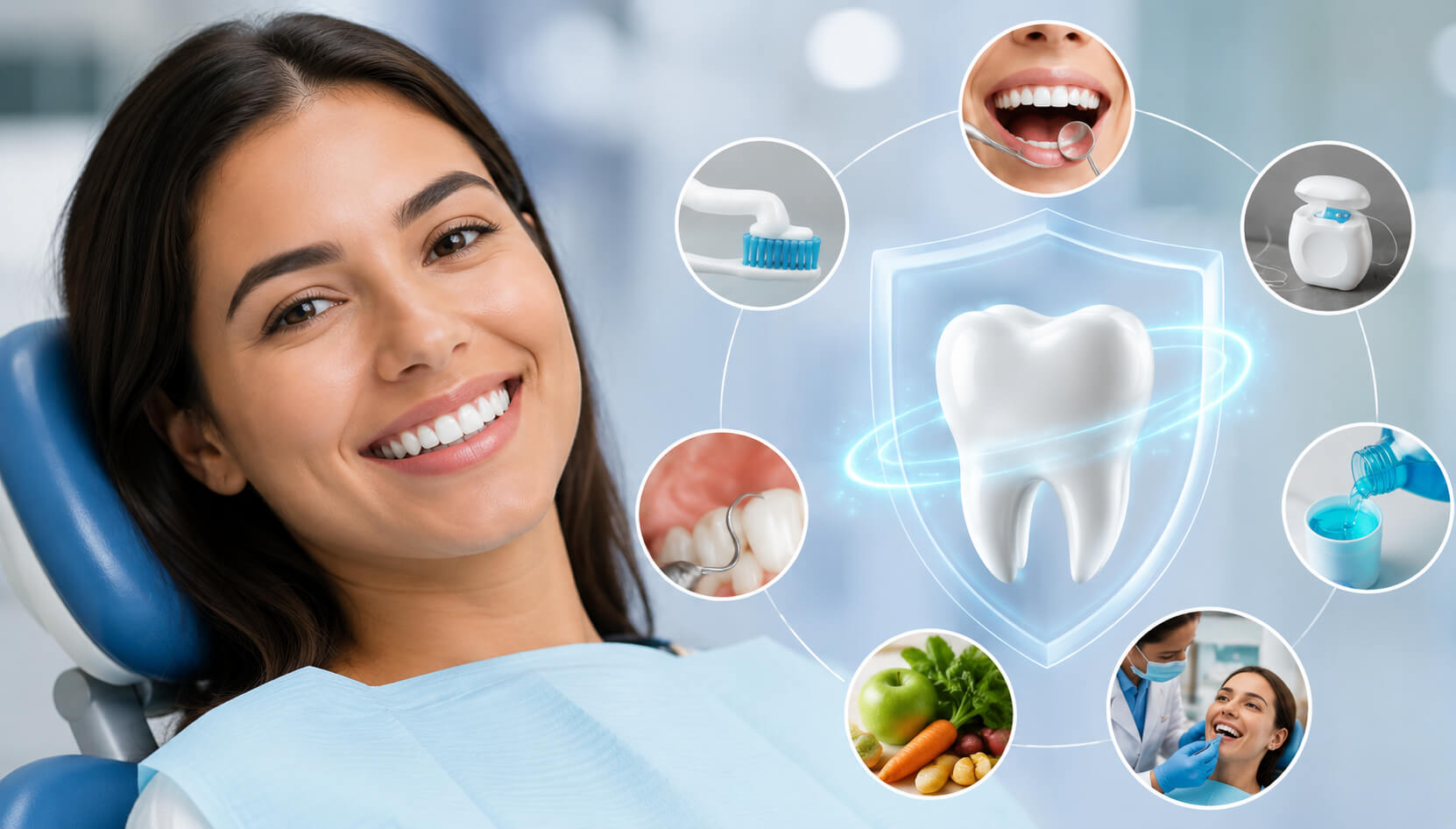
Access to modern dental devices in Riyadh can improve daily oral hygiene, make preventive care more effective, and help detect problems earlier. This guide explains which at-home and clinical technologies matter, how to evaluate them, and practical steps to integrate them into a routine for stronger oral health outcomes.
Key takeaways: focus on proven at-home devices (electric toothbrushes, water flossers, interdental cleaners), understand clinic-level technologies (intraoral cameras, digital X-rays, CAD/CAM), use the DENTAL-TECH 5-Point Checklist to evaluate products and services, and follow simple maintenance and usage tips to avoid common mistakes.
Why choose advanced dental devices in Riyadh?
Modern oral health devices combine mechanical design, sensors, and software to increase cleaning efficiency, track progress, and support preventive care. For residents of Riyadh, access to clinics with digital imaging and tele‑dentistry options can reduce appointment time and improve diagnostic accuracy. Related terms include electric toothbrush, sonic brush, oscillating-rotating head, water flosser, interdental brush, intraoral camera, CBCT (cone-beam computed tomography), and CAD/CAM milling.
DENTAL-TECH 5-Point Checklist (evaluation framework)
Use this checklist when selecting devices or clinics. It serves as a repeatable, practical evaluation model.
- Diagnostics: Does the clinic or device provide clear, evidence-based diagnostics (digital X-ray, intraoral imaging)?
- Efficacy: Is there clinical evidence or standards-based validation (e.g., ADA statements) for this device type?
- Safety: Are materials biocompatible and is there clear guidance for usage and sanitation?
- Integration: Can data be exported or shared with a dentist (apps, reports, tele-dentistry)?
- Support & Maintenance: Are replacement parts and service available locally in Riyadh?
At-home oral health devices Riyadh households should consider
When selecting at-home devices, prioritize consistent, evidence-backed tools. Common categories:
- Electric toothbrushes (sonic or oscillating): Better plaque removal than manual brushing when used correctly.
- Water flossers and interdental brushes: Effective for periodontal pocket cleaning and for users with braces or implants.
- Smart toothbrushes and oral health apps: Useful for behavior change—look for secure data practices.
- Handheld intraoral cameras and LED mouth mirrors: Helpful for tele-dentistry check-ins but not a substitute for professional exams.
Professional and clinic-level dental technology in Riyadh
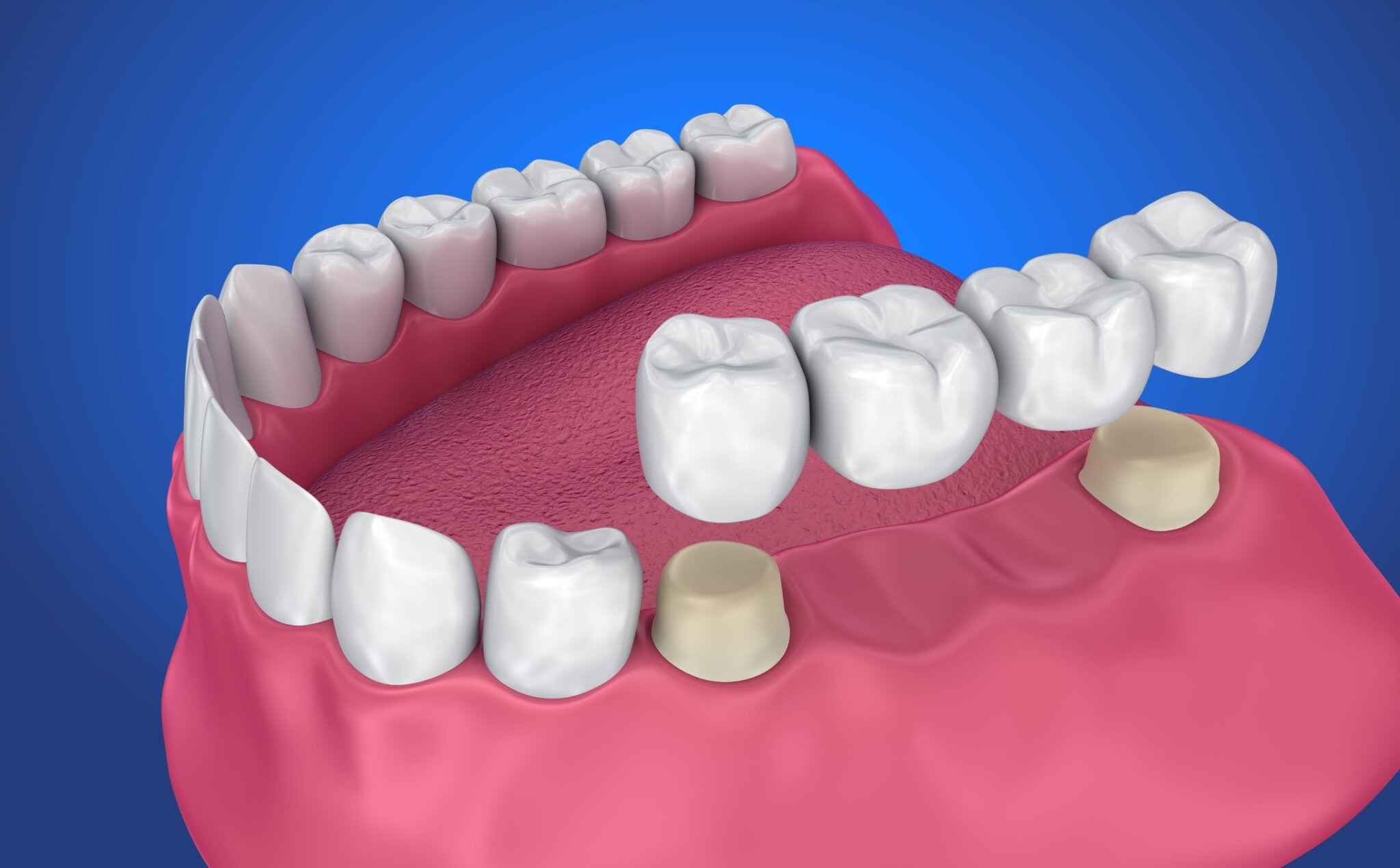
Clinics in Riyadh often offer digital radiography, intraoral scanning, CBCT imaging for complex cases, and CAD/CAM restorations for same-day crowns. These technologies improve precision and turnaround time but require trained operators and proper interpretation by licensed dentists.
Short real-world example
A 45-year-old Riyadh resident used a sonic toothbrush and an interdental brush daily while a local clinic performed a digital periodontal chart and intraoral photos. The clinic used digital X-rays to confirm early bone loss and scheduled a focused cleaning. Continued use of the at-home devices plus targeted professional treatment reduced inflammation and limited progression—an example of coordinated at-home and clinic care.
Practical tips for using dental devices effectively
- Follow manufacturer instructions for brush time and flossing technique—2 minutes twice a day for brushing is the baseline.
- Replace brush heads and interdental brushes on schedule (typically every 3 months or when bristles show wear).
- Use devices in combination: electric brushing plus interdental cleaning works better than brushing alone.
- Securely pair smart devices with apps only when privacy policies and local data storage practices are acceptable.
- Coordinate with a licensed dentist for any device-driven findings—home devices help with monitoring but not definitive diagnosis.
Common mistakes and trade-offs
Understanding trade-offs prevents wasted investment and reduces risk.
Common mistakes
- Relying solely on at-home gadgets for diagnosis — home devices are monitoring tools, not substitutes for clinical exams.
- Buying premium devices without checking local service or replacement part availability in Riyadh.
- Ignoring user technique—high-end devices cannot compensate for poor brushing or flossing habits.
Trade-offs
- Cost vs. value: Clinic-level CBCT or CAD/CAM services have higher costs but can deliver diagnostic clarity or faster restorations when clinically indicated.
- Complexity vs. usability: Smart devices offer tracking but add setup and maintenance; simpler electric brushes may yield nearly the same oral-health benefit with fewer hassles.
How to evaluate clinics and services offering professional dental technology Riyadh
Ask for demonstrations of imaging outputs, request explanations of how digital data will be used, and verify credentials. Confirm that the clinic follows national health regulations and hygiene protocols under the Saudi Ministry of Health. When in doubt about clinical claims, refer to guidance from recognized professional bodies such as the American Dental Association for best-practice frameworks (ADA resources).
Core cluster questions
- Which at-home dental devices are most effective for preventing gum disease?
- How do digital X-rays and CBCT change diagnosis and treatment planning?
- What maintenance is required for electric toothbrushes and water flossers?
- How can tele-dentistry work with at-home devices for routine monitoring?
- What should patients ask a dentist before choosing CAD/CAM same-day restorations?
Maintenance, warranty, and local support tips
Confirm warranties and availability of replacement parts within Saudi Arabia. Keep receipts and serial numbers, register devices when possible, and use clinic partners who provide clear follow-up plans. Proper sanitation—cleaning brush handles, replacing worn parts, and following disinfecting instructions for intraoral tools—reduces infection risk.
When to see a dentist
Schedule an in-person exam if bleeding, persistent pain, swelling, sudden loosening of teeth, or device-detected anomalies occur. Use at-home devices to support monitoring between appointments but prioritize professional assessment for treatment decisions.
Practical next steps checklist
- Run the DENTAL-TECH 5-Point Checklist before buying or relying on a device.
- Choose one or two at-home devices and commit to correct daily use for 8–12 weeks to evaluate impact.
- Share device data or photos with a licensed Riyadh dental professional for an informed review.
FAQ
What are the best dental devices in Riyadh for home use?
Best choices depend on individual needs but commonly recommended categories are electric toothbrushes (sonic or oscillating), water flossers, and interdental brushes. Selection should prioritize proven effectiveness, local availability of replacement parts, and ease of use.
Can clinic technologies like digital X-rays and CBCT improve outcomes?
Yes. Digital radiography and CBCT provide higher-resolution images and 3D views for complex cases, improving diagnostic precision and treatment planning when used by trained dentists.
Are smart toothbrushes and apps worth the investment?
Smart toothbrushes can improve habits through feedback and progress tracking. They are helpful for behavior change but are not required for good oral health if proper brushing and interdental cleaning routines are followed consistently.
How often should brush heads and interdental tools be replaced?
Replace brush heads approximately every 3 months or when bristles show wear. Interdental brushes should be replaced when bristles are splayed or after heavy use. Follow manufacturer guidance and local hygiene recommendations.
How can tele-dentistry work with at-home devices in Riyadh?
Tele-dentistry can use photos, intraoral camera images, and app data from at-home devices for triage, follow-ups, and behavior coaching. In-person visits remain essential for treatments and definitive diagnoses.