Indian Culture in Interior Design: Balancing Tradition and Modern Living
-

- February 27th, 2026
- 1,623 views
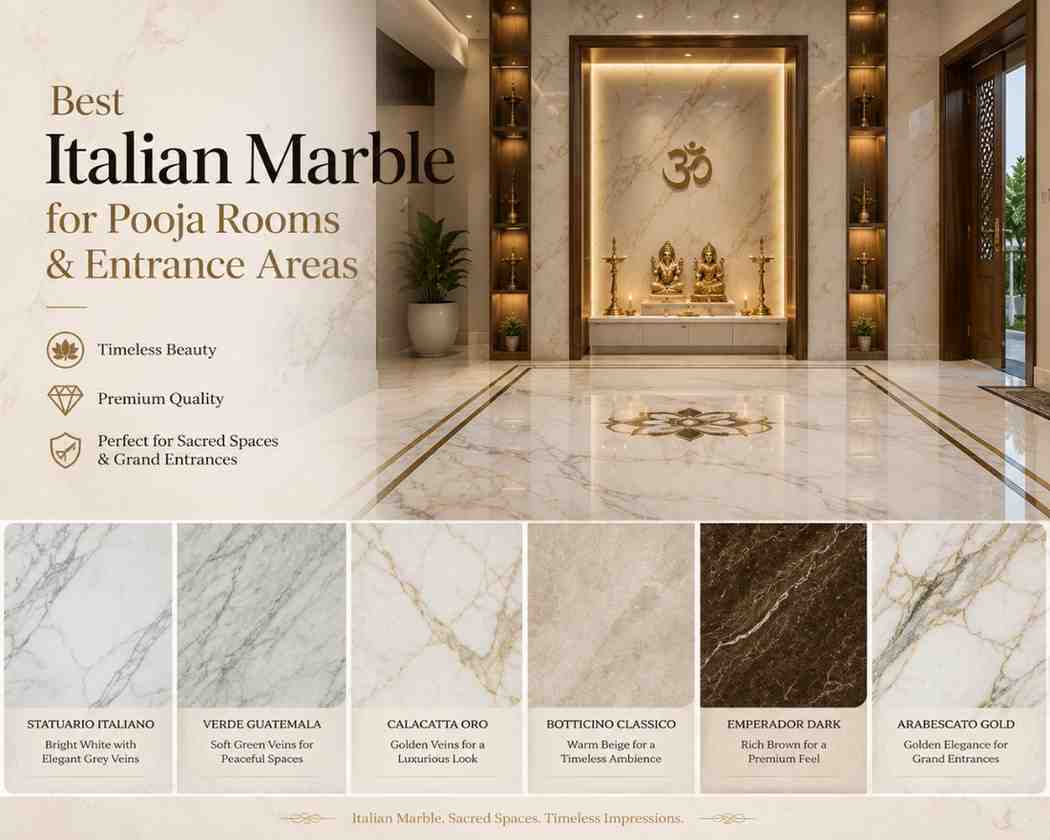
The role of Indian culture in interior design extends beyond surface decoration to shape spatial layout, color palettes, materials, and symbolic motifs that influence contemporary homes and commercial spaces. This synthesis of heritage and innovation draws on regional crafts, historical styles, and traditional planning systems to create interiors that feel both rooted and current.
Historical roots and regional traditions
Mughal, colonial, and vernacular influences
Interior forms in the Indian subcontinent reflect layers of history. Mughal architecture introduced formal symmetry, inlay and pietra dura influences, and garden layouts that affected interior vistas. Colonial-era bungalows added verandahs, high ceilings, and timber detailing that remain influential. Vernacular housing—courtyards in Rajasthan, sloped roofs and shaded verandahs in Kerala, and the long, narrow plan of the Bengali house—continues to inform climate-responsive interior strategies.
Traditional planning systems and symbolism
Systems such as Vastu Shastra provide guidance on orientation, room placement, and circulation; while not uniformly prescriptive, these ideas influence cultural expectations about privacy, thresholds and auspicious directions. Ritual and symbolic devices—mandalas, rangoli patterns at entrances, and iconography connected to festivals—shape decorative programs and spatial hierarchies.
Indian culture in interior design: materials, motifs, and color
Textiles, finishes, and craftsmanship
Textiles and craft traditions are central. Handloom fabrics such as ikat, khadi, block-printed cottons, and woven silk provide both pattern and texture. Surface treatments include painted frescoes, lacquered wood, brasswork, carved stone and jali (perforated screens) that mediate light and privacy. Local craftsmanship traditions—from Rajasthani miniature painting to South Indian wood carving—provide distinctive elements used in contemporary interiors.
Color palettes and motifs
Color often draws from natural dyes and regional palettes: indigo and madder reds in the west, verdant greens and ochres in the south, and subtle pastels in colonial interiors. Motifs range from geometric mandalas and floral arabesques to figurative folk imagery. Designers commonly use these motifs in a modern scale or simplified form to create a contemporary language that still references tradition.
Spatial strategies: bringing indoor and outdoor together
Courtyards, verandahs, and natural ventilation
Traditional Indian homes emphasize porous edges between inside and outside—courtyards, verandahs, and stepped terraces encourage cross-ventilation and daylighting. These features are often adapted in urban apartments with light wells, atria, or planted balconies to capture the same climatic and social advantages.
Flexible rooms and social hierarchy
Layouts that accommodate extended-family functions and ritual activities inspire multi-functional rooms, movable partitions, and layered thresholds in contemporary interiors. Respect for privacy alongside communal space remains a defining consideration when interpreting traditional spatial logic for modern lifestyles.
Blending traditional craft with contemporary practice
Contemporary reinterpretation
Contemporary designers frequently abstract traditional elements—reducing ornamental complexity, re-scaling motifs, or using traditional materials in modern assemblies—to create interiors that read as both familiar and innovative. Examples include using jali patterns as laser-cut metal screens or translating block-print motifs into upholstery fabrics with scaled-down repeat patterns.
Sustainable approaches and artisan collaboration
Many projects emphasize locally sourced materials and artisan partnerships to support livelihoods and reduce embodied carbon. Initiatives and regulatory frameworks from cultural institutions and craft councils promote training, documentation, and market linkages for handloom and craft sectors. The Ministry of Culture, Government of India, provides resources and programs related to heritage conservation and craft promotion (Ministry of Culture).
Practical considerations for contemporary interiors
Material durability and maintenance
Material choices should consider local climate and maintenance regimes: terracotta and natural stone perform well in heat; timber requires attention in humid regions. Combining traditional finishes with modern sealants or weatherproofing techniques can extend lifespan without losing cultural character.
Scale, proportion, and light
Adapting ornate elements at an appropriate scale helps maintain visual balance in modern rooms. Traditional motifs rendered in lighter materials or openwork can preserve light transmission and visual openness while referencing cultural patterns.
Preservation, documentation, and ethical sourcing
Heritage conservation and community rights
Work involving heritage elements benefits from documentation, respectful repair methods, and engagement with local communities. Conservation practices supported by institutions such as heritage trusts and academic departments help ensure that interventions are reversible and culturally sensitive.
Fair trade and craft economies
Ethical sourcing and transparent supply chains support artisan communities. Collaboration with certified craft cooperatives and accreditation schemes helps verify provenance and ensures fair compensation for traditional skills.
Conclusion
The fusion of tradition and modernity in interiors reflects a layered cultural narrative. Drawing on Indian culture in interior design offers a rich palette of materials, spatial ideas, and symbolic content that can be adapted for contemporary needs while supporting heritage, craft livelihoods, and climate-responsive strategies.
Frequently asked questions
How can Indian culture in interior design be adapted for a small urban apartment?
Adapting traditional elements for compact spaces typically involves selective use of motifs and materials at reduced scale, multi-functional furniture inspired by traditional forms, and visual layering through textiles or a single statement craft piece rather than heavy ornamentation throughout.
What are common traditional materials used in Indian interiors?
Common materials include teak and other tropical timbers, brass and copper, handloom textiles, natural stone, terracotta, lime plaster and local pigments; each choice carries regional associations and performance characteristics.
Why are courtyards and verandahs significant in Indian house design?
Courtyards and verandahs address climate by promoting cross-ventilation and shaded outdoor living, and they function as social cores for family life and ritual activities—qualities that continue to inform contemporary approaches to indoor-outdoor living.
What role do artisans and craft traditions play in modern interiors?
Artisans provide skills, knowledge systems, and cultural continuity. Collaborating with craftspeople supports local economies and enables the authentic use of traditional techniques in sustainable, contemporary interiors.