Stylish Indian Festival Outfit Ideas for Women: Practical Looks for Every Celebration
-

- Published Updated
- 324 views
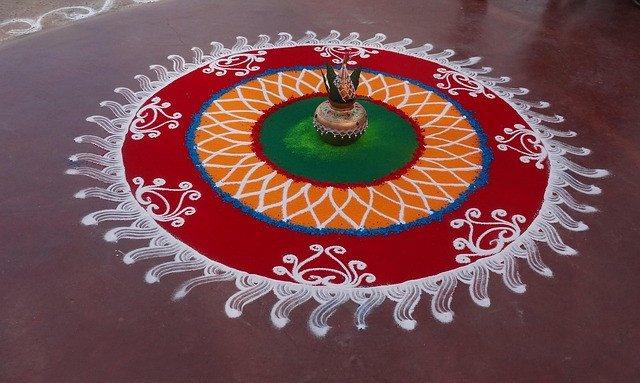
Indian festival outfit ideas for women should balance tradition, comfort, and the occasion. This guide lays out practical outfit categories, a reliable styling checklist, fabric and care notes, a short example, tips to save time, and common mistakes to avoid when dressing for Diwali, Navratri, Eid, weddings, and regional festivals.
- Pick silhouette by occasion: saree/lehenga for formal, kurta or fusion separates for casual.
- Use the FESTIVAL FIT Checklist (Fabric, Fit, Finish, Footwear, Finesse).
- Prioritize breathable fabrics for day and lightweight embellishments for evening.
Indian festival outfit ideas for women
Outfit categories and when to choose them
Choose an outfit based on formality, venue, weather, and activity. Common categories:
- Sarees: Formal family gatherings, pujas, weddings. Consider silk sarees, brocade, or light georgette for evening events.
- Lehengas and skirts: Festive and celebratory—good for dancing festivals like Navratri.
- Anarkali and long kurtas: Formal yet comfortable—suitable for ceremonies and receptions.
- Kurta sets and salwar suits: Everyday festive wear—easy for daytime rituals and family visits.
- Indo-western fusion: Kurtas with jeans, draped skirts, or ethnic jackets for a modern take on traditions.
FESTIVAL FIT Checklist (named framework)
Apply this checklist before finalizing any look:
- Fabric — Seasonal choice (cotton/linen for day; silk/velvet for evening).
- Fit — Comfort for movement: hips for dancing, sleeves for arm movement, waist for sitting.
- Finish — Embellishment scale: light for daytime, heavier for night.
- Footwear — Stable heels, mojris, or sandals depending on activity and ground surface.
- Finesse — Accessories, clutch, and quick fixes like safety pins and a small sewing kit.
Real-world example: Diwali family dinner
Scenario: Evening Diwali dinner at a relative's house with limited stairs and a small courtyard for fireworks.
- Pick a lightweight silk-blend kurta with tapered palazzo pants for ease of movement.
- Accent with a dupatta in a contrasting color and minimal zari border to catch light.
- Choose low block heels or embellished flats for stability during outdoor activities.
- Finish with small jhumkas and a sleek bun to keep hair tidy around sparklers.
Fabric, care, and authenticity
Identify whether a textile is handloom, machine woven, or blended. For facts about traditional textiles and handloom standards, consult the Ministry of Textiles for guidance on authentic handlooms and labeling. Care tips:
- Pre-wash cotton; dry-clean silk and brocade garments.
- Store embroidered pieces flat or on padded hangers to protect embellishments.
- Use gentle detergents and test colorfastness before full washes.
Practical tips to style festival outfits
Actionable tips
- Plan outfits two days ahead to allow time for ironing, steaming, and last-minute repairs.
- Mix one statement piece (saree, embroidered jacket) with simple basics to avoid over-accessorizing.
- Match footwear to the longest activity: choose comfortable shoes if there will be long standing or dancing.
- Keep a small emergency kit: clear nail polish (for runs), safety pins, mini sewing kit, and double-sided tape.
Common mistakes and trade-offs
Common mistakes stem from choosing aesthetics over practicality:
- Too-heavy embellishments for daytime events—opt for lighter trims or smaller motifs.
- Ignoring venue terrain (grass, sand, marble)—select footwear and hemlines accordingly.
- Clashing scales of pattern—pair a heavy embroidered blouse with a simple plain saree instead of two competing pieces.
Styling variations and related terms
Explore variations: bandhani, block print, chikankari, zari, brocade, kantha, ikat. Mix and match elements—use a traditional dupatta with a contemporary jacket, or wear a pre-stitched saree for a faster, safer option when movement is required. For festival-specific ideas, consider 'festive saree styles for women' that include half-and-half sarees, belt-drapes, and pre-pleated options; or 'ethnic fusion outfits for festivals' like long skirts with structured blazers.
FAQ
What are easy Indian festival outfit ideas for women that work for daytime and evening?
Choose breathable fabrics for daytime (cotton, linen) and add a statement dupatta or heavier jewelry for evening. An anarkali in a mid-weight fabric or a kurta with an embellished jacket converts well from day to night.
How to pick footwear for festival wear?
Match footwear to activity and surface: block heels or wedges for uneven surfaces, closed-toe juttis for crowded events, and cushioned sandals for long hours on feet.
Can fusion outfits be considered festival-appropriate?
Indo-western fusion outfits are appropriate for many modern festival contexts—choose fabrics and colors that respect the event's tone. Add ethnic jewelry or a traditional dupatta to maintain cultural cues.
How to care for embroidered or zari outfits before and after a festival?
Lightly steam before wearing, avoid heavy washing at home—prefer professional dry cleaning for dense embroidery. Store with acid-free tissue between folds to prevent creases and tarnish.
Indian festival outfit ideas for women: Where to start when building a festival wardrobe?
Start with versatile base pieces: a well-fitting saree, one neutral kurta set, and one statement lehenga or jacket. Build accessories and footwear that complement multiple looks to maximize options and minimize cost per wear.