How Can Industrial Heat Pumps Help Achieve Net-Zero Emission Goals?
-

- Published Updated
- 6,364 views
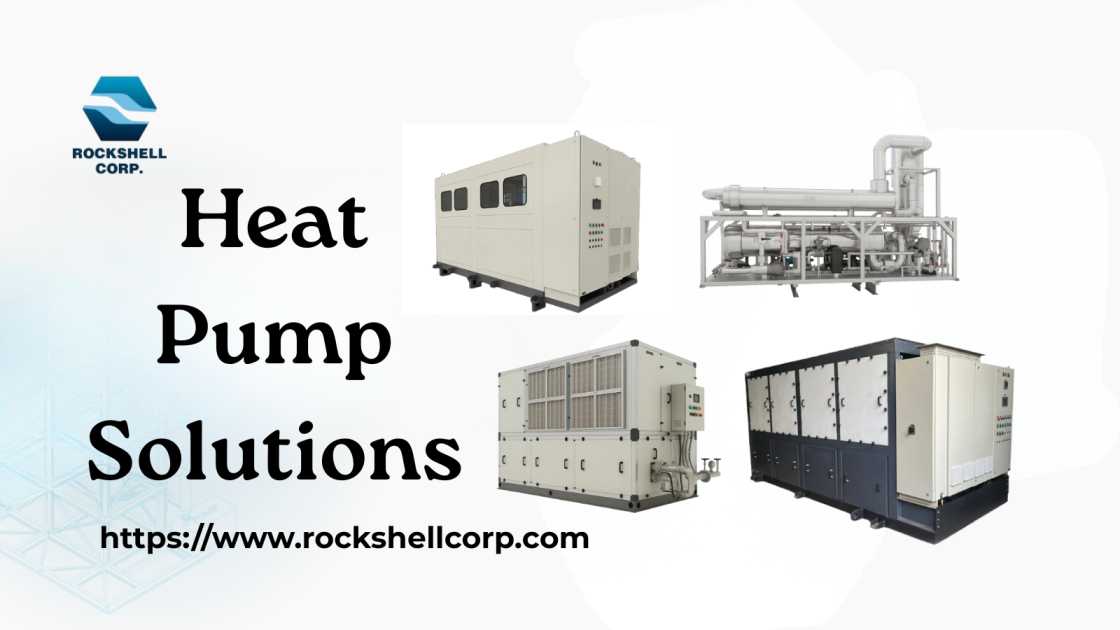
As industries worldwide work toward ambitious sustainability targets, reducing carbon emissions has become a top priority. One technology that is rapidly gaining attention is the high temperature heat pump, which offers an energy-efficient alternative to conventional fossil fuel-based heating systems. By recovering and reusing waste heat, industrial heat pumps help businesses lower energy consumption, reduce greenhouse gas emissions, and move closer to their net-zero objectives.
With increasing pressure from governments, investors, and consumers to adopt cleaner operations, industrial facilities are actively seeking practical solutions that deliver both environmental and economic benefits. Industrial heat pumps are emerging as a key technology in this transition, helping organizations improve efficiency while supporting long-term sustainability goals.
Why Net-Zero Emissions Matter for Industries
Industries account for a significant share of global energy consumption and carbon emissions. Manufacturing plants, food processing facilities, chemical industries, textile units, and pharmaceutical companies often rely on traditional heating systems powered by coal, oil, or natural gas. While effective, these systems consume substantial amounts of fuel and generate high levels of carbon emissions.
As governments implement stricter environmental regulations and businesses commit to Environmental, Social, and Governance (ESG) targets, reducing industrial emissions has become a necessity rather than an option. Achieving net-zero emissions requires organizations to minimize their direct and indirect carbon footprint through energy-efficient technologies, renewable energy integration, and process optimization.
Industrial heat pumps support these efforts by providing a sustainable heating solution that consumes less energy and significantly reduces dependence on fossil fuels. This makes them an essential component of modern decarbonization strategies.
How Industrial Heat Pumps Reduce Carbon Emissions
Industrial heat pumps work differently from conventional heating systems. Instead of generating heat through fuel combustion, they capture low-grade waste heat from industrial processes and upgrade it to a higher temperature suitable for reuse. This process allows businesses to recover energy that would otherwise be wasted.
A high temperature heat pump can deliver process heat for various industrial applications while using considerably less energy than traditional boilers or furnaces. Because heat pumps transfer heat rather than create it, they achieve much higher efficiency levels.
Furthermore, as electricity grids increasingly incorporate renewable energy sources such as solar and wind power, the environmental impact of heat pump systems continues to decline. Organizations that transition to heat pump technology can significantly reduce greenhouse gas emissions while improving compliance with environmental standards and sustainability commitments.
By lowering reliance on fossil fuels, industrial heat pumps provide a practical pathway toward cleaner manufacturing operations and long-term carbon reduction.
Energy Efficiency and Cost Savings Benefits
One of the biggest advantages of industrial heat pumps is their exceptional energy efficiency. Traditional heating equipment converts fuel into heat, often resulting in energy losses during the process. Heat pumps, however, move heat from one location to another, allowing them to generate multiple units of useful heat from a single unit of electricity.
This higher efficiency translates into several measurable benefits, including:
- Lower energy consumption
- Reduced fuel costs
- Improved process efficiency
- Lower maintenance requirements
- Reduced carbon emissions
- Better utilization of waste heat
For many businesses, these benefits extend beyond sustainability. Lower operating expenses improve profitability and help organizations remain competitive in energy-intensive industries. Over time, the savings generated through reduced energy consumption can contribute significantly to the return on investment of industrial heat pump systems.
Additionally, rising energy prices are encouraging manufacturers to adopt technologies that improve energy resilience and reduce long-term operating costs. Industrial heat pumps offer an effective solution to both challenges.
Applications Across Industrial Sectors
Industrial heat pumps are highly versatile and can be integrated into a wide range of sectors. Industries that require process heating, drying, or thermal energy can benefit from their implementation.
Common applications include:
- Food and beverage processing
- Dairy production
- Pharmaceutical manufacturing
- Textile processing
- Chemical production
- Paper and pulp industries
- District heating systems
- Wastewater treatment facilities
A high temperature heat pump is particularly valuable in applications that require elevated temperatures for drying, pasteurization, sterilization, cleaning, and industrial heating processes. By recovering and upgrading waste heat, companies can improve overall energy utilization while reducing environmental impact.
Modern heat pump systems are also highly adaptable. Whether installed in a new facility or integrated into an existing operation, they can be customized to meet specific production requirements and sustainability objectives.
Supporting a Sustainable Industrial Future
The journey toward net-zero emissions requires industries to rethink how energy is generated, managed, and consumed. Industrial heat pumps provide a practical and scalable pathway to decarbonization by combining energy efficiency, waste heat recovery, and reduced reliance on fossil fuels.
Beyond environmental benefits, adopting sustainable technologies can strengthen a company's market position. Customers, investors, and regulatory bodies increasingly favor organizations that demonstrate a commitment to sustainability and responsible resource management.
By investing in advanced heating solutions, businesses can future-proof their operations while contributing to global climate goals. Industrial heat pumps support both operational performance and environmental stewardship, making them a valuable asset in modern manufacturing strategies.
Conclusion
Industrial decarbonization is no longer a future ambition it is a present-day necessity. By adopting technologies such as the high temperature heat pump, industries can significantly reduce energy consumption, lower carbon emissions, and improve operational efficiency. These systems offer a reliable, scalable, and cost-effective solution for organizations striving to achieve sustainability and net-zero targets.
As businesses continue to prioritize environmental responsibility, industrial heat pump technology will play an increasingly important role in shaping a cleaner and more energy-efficient future. Organizations exploring sustainable heating solutions should consider industrial heat pumps as a key part of their long-term energy strategy. The right solution can help create a greener, more efficient, and future-ready operation while delivering measurable business value.