How Water Billing Software Streamlines Meter Readings
-

- Published Updated
- 1,272 views
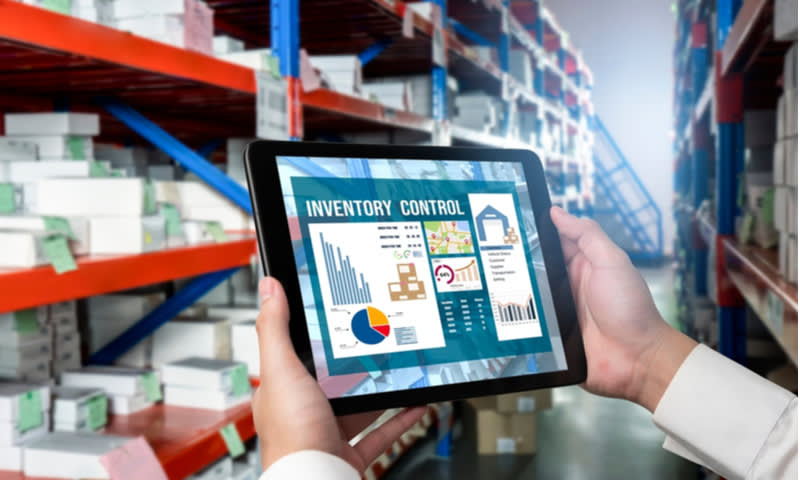
Accurate meter readings are the backbone of fair water billing, yet for many Australian utilities, councils, and property managers, the process can be time-consuming, error-prone, and difficult to coordinate at scale. Whether readings are collected by field staff, uploaded from smart meters, or entered through customer self-service portals, the challenge is the same: turning raw usage data into reliable bills without delays or disputes.
This is where modern billing systems make a meaningful difference. When paired with tools such as Water Supplier Software, meter reading workflows can be organised more efficiently, with fewer manual steps and better visibility from capture to invoice. The result is not just faster billing, but a clearer and more accountable process for everyone involved.
In practical terms, water billing software helps streamline scheduling, data collection, validation, exception handling, and customer communication. For organisations managing thousands of accounts across metropolitan and regional areas, that can translate into better service, fewer complaints, and stronger revenue control.
Key points
- Water billing software reduces manual work in meter reading collection and processing.
- It improves accuracy by validating readings and flagging unusual usage patterns.
- Automated workflows help teams manage large numbers of accounts more efficiently.
- Better data handling supports clearer bills and fewer customer disputes.
- Integration with field tools, smart meters, and customer systems improves overall service delivery.
Why meter readings need better management
Meter readings may seem straightforward, but in practice they involve many moving parts. A reading may be missed, recorded incorrectly, entered late, or affected by access issues at the property. In Australia, where water providers often manage mixed urban, suburban, and regional networks, these challenges can be amplified by long distances, varied infrastructure, and changing customer demand.
Traditional spreadsheet-based or paper-based approaches often struggle to keep pace. Staff may need to cross-check handwritten notes, re-enter figures into billing systems, or investigate anomalies one by one. This creates extra administrative work and increases the chance of human error. Over time, even small mistakes can affect revenue accuracy and customer trust.
Water billing software addresses these issues by creating a more structured workflow. Instead of relying on disconnected steps, it brings reading schedules, data capture, validation, and billing into one coordinated process. That makes it easier to track what has been read, what still needs attention, and where exceptions exist.
How water billing software simplifies the reading process
1. Smarter scheduling and route planning
One of the biggest advantages of water billing software is the ability to organise meter reading rounds more efficiently. Rather than manually assigning properties or relying on static lists, staff can work from planned schedules that account for location, reading frequency, and account type. This is particularly useful for field teams covering large service areas.
Good scheduling reduces duplication and helps ensure that readings are collected within the correct billing cycle. It also allows managers to identify overdue readings quickly and reassign work if a staff member is unavailable. In busy operations, this can make the difference between on-time billing and a delayed cycle.
2. Faster data capture in the field
Modern software often supports mobile devices or handheld reading tools, allowing staff to record meter data on site instead of writing it down and rekeying it later. This reduces transcription errors and speeds up the transfer of information into the billing system. In some environments, readings may also be synced automatically from smart meters or remote devices.
For field staff, this means less paperwork and more confidence that the recorded value is correct. For office teams, it means cleaner data arriving sooner, which shortens the gap between reading and billing. The overall process becomes more consistent and easier to audit.
3. Built-in validation and error checking
Not every reading is immediately usable. A meter might show a sudden spike, appear to go backwards, or differ sharply from historical consumption patterns. Water billing software can flag these issues automatically, prompting review before a bill is issued. This helps prevent obvious mistakes from reaching customers.
Validation rules can be tailored to the organisation’s needs. For example, the system might compare the current reading with previous usage, check for impossible values, or highlight meters that have not been read within the expected timeframe. These controls improve accuracy and reduce the risk of billing disputes.
Better accuracy means better customer outcomes
Few things frustrate customers more than an unexpected bill, especially when it appears to be based on a faulty reading. When billing data is collected and checked more carefully, customers are less likely to receive charges that need to be corrected later. That improves confidence in the supplier and reduces the volume of complaints or adjustment requests.
For customer service teams, having a clear record of each reading also helps when answering queries. Staff can review the reading history, see when the meter was last checked, and explain how the bill was calculated. This transparency is especially valuable in organisations that serve diverse communities, including households, businesses, and strata properties.
Supporting field teams and office teams at the same time
Water billing software is not just about the invoice at the end of the process. It also supports the people doing the work. Field staff benefit from clear task lists, real-time updates, and fewer manual forms. Office teams benefit from cleaner data, fewer exceptions, and less time spent correcting avoidable errors.
When both sides work from the same system, communication improves. A missed reading can be flagged quickly, a suspicious value can be reviewed sooner, and billing staff can see whether a meter is awaiting follow-up. This shared visibility helps reduce bottlenecks and keeps the workflow moving.
Practical example
Consider a regional water provider that reads meters across several towns each quarter. Without software support, reading lists may be printed, marked up by hand, and entered manually after the field round. If one property is inaccessible, the issue may not be noticed until much later. With billing software, the missed reading can be logged immediately, assigned for follow-up, and tracked until resolved. This reduces delays and helps avoid estimated bills where a real reading should have been available.
Integration with smart meters and customer systems
As water networks become more connected, software needs to handle more than manual readings. Many organisations are now incorporating smart meter data, automated alerts, and customer self-service options. Billing platforms can bring these inputs together so that usage data is processed in a consistent way, regardless of how it is collected.
Integration is especially useful where customers want visibility into their usage. If a portal or app shows consumption trends, leak alerts, or billing history, the underlying reading data needs to be accurate and up to date. A well-designed billing system helps keep this information aligned across channels.
For Australian utilities and service providers, this can also support better planning. Usage trends may reveal seasonal demand changes, properties with unusual consumption, or infrastructure that requires attention. In this way, meter reading data becomes useful not only for billing but also for operational decision-making.
Reducing administrative workload
Manual meter reading workflows often create hidden administrative costs. Staff may spend time chasing missing data, correcting records, generating revised bills, or explaining discrepancies to customers. Water billing software reduces much of this overhead by automating repetitive tasks and centralising records.
Automated reminders, exception reports, and record histories all help teams work more efficiently. Instead of searching through emails or spreadsheets, staff can locate the information they need in one place. Over time, this can free up resources for other important work, such as asset maintenance, customer support, or compliance reporting.
Improving compliance and audit readiness
Water providers and billing teams must often demonstrate that their processes are accurate, fair, and properly recorded. A software-based workflow makes this much easier. Each reading can be time-stamped, tracked, and linked to the relevant account, creating a clear audit trail.
This is useful for internal reviews, external audits, and dispute resolution. If a customer questions a charge, the organisation can show when the meter was read, by whom, and what value was recorded. That level of traceability is difficult to achieve consistently with manual systems.
Choosing the right approach
Not every organisation needs the same setup, but the best systems usually offer a few core capabilities: mobile data capture, validation rules, exception management, reporting, and integration with billing and customer service functions. The goal is not to add complexity, but to remove it from the reading process.
When evaluating options, it helps to consider how readings are collected today, where delays occur, and which tasks create the most manual effort. A system that fits the actual workflow will be easier to adopt and more likely to deliver lasting benefits.
Conclusion
Water billing software streamlines meter readings by replacing disconnected manual steps with a more organised, accurate, and transparent process. From scheduling and field capture to validation and billing, each stage becomes easier to manage and less vulnerable to error. For Australian water providers and related organisations, that means faster billing, clearer records, and a better experience for customers and staff alike.
As the sector continues to modernise, the value of well-managed meter reading data will only grow. Organisations that invest in stronger workflows today are better placed to handle demand, improve service quality, and maintain trust over the long term.
FAQ
What does water billing software do for meter readings?
It helps organise, capture, validate, and process meter reading data so that billing can be completed more accurately and efficiently.
Can water billing software reduce reading errors?
Yes. By using digital capture tools and validation checks, it reduces transcription mistakes and flags unusual readings before bills are issued.
Is it useful for small water providers as well as large ones?
Yes. Smaller providers can benefit from less manual work and better record keeping, while larger organisations gain from improved coordination and scalability.
How does it help customer service teams?
It provides a clear history of readings and billing activity, making it easier to explain charges and resolve queries quickly.
Can it work with smart meters?
Yes. Many systems can integrate with smart meter data, allowing readings to be collected automatically and processed alongside other account information.
Why is auditability important in water billing?
Auditability ensures that every reading and billing action can be traced, which supports compliance, internal review, and dispute resolution.