Industrial Solar Solutions: A Smart Energy Choice for Modern Industries
-
- Published Updated
- 8,784 views
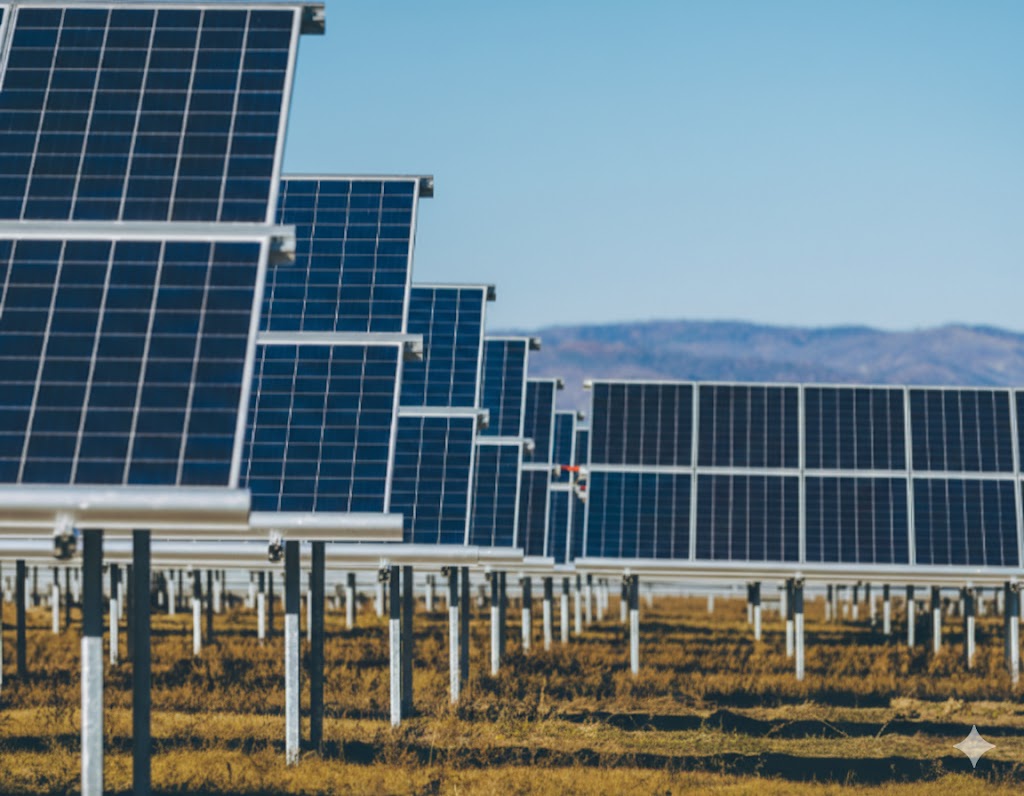
Industries require a large and reliable supply of electricity to operate machinery, production lines, lighting systems, cooling equipment, and other essential processes. As electricity costs continue to rise, many industries are looking for smarter and more sustainable ways to manage their energy consumption. One of the most effective solutions available today is industrial solar energy.
Industrial solar solutions allow factories, warehouses, and manufacturing units to generate their own electricity using solar panels. By harnessing the power of the sun, industries can reduce energy expenses, improve efficiency, and contribute to environmental sustainability. With abundant sunlight available in many regions, solar power has become a practical and long-term energy solution for industrial facilities.
What Are Industrial Solar Solutions?
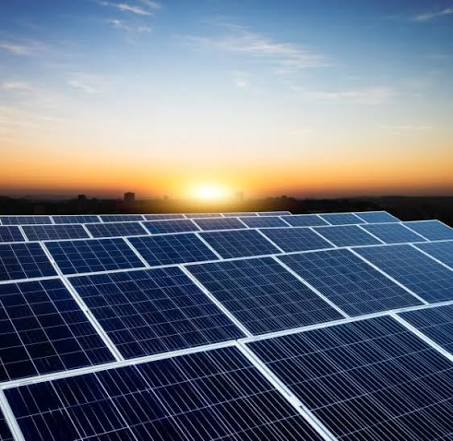
Industrial solar solutions refer to large-scale solar energy systems designed specifically for industrial use. These systems are installed on factory rooftops, warehouse buildings, or open land near industrial facilities. The solar panels capture sunlight and convert it into electricity that can be used to power industrial operations.
A typical industrial solar system includes solar panels, solar inverters, mounting structures, electrical wiring, and monitoring equipment. These components work together to convert sunlight into usable electricity for machines, equipment, and lighting systems within the facility.
Many industries choose rooftop solar installations because factory buildings often have large roof areas that receive direct sunlight. This space can be effectively used to install solar panels and generate significant amounts of electricity.
Benefits of Industrial Solar Solutions
Reduced Electricity Costs
One of the biggest advantages of installing industrial solar systems is the reduction in electricity expenses. Industrial operations consume large amounts of power, which can lead to high monthly energy bills. Solar panels allow industries to generate their own electricity, reducing dependence on the grid and lowering operating costs.
Over time, the savings from reduced electricity bills can offset the installation cost, making solar energy a profitable investment.
Energy Independence
Industrial solar systems provide businesses with greater control over their energy supply. By producing electricity onsite, industries become less dependent on external power sources. This helps protect businesses from rising electricity prices and power shortages.
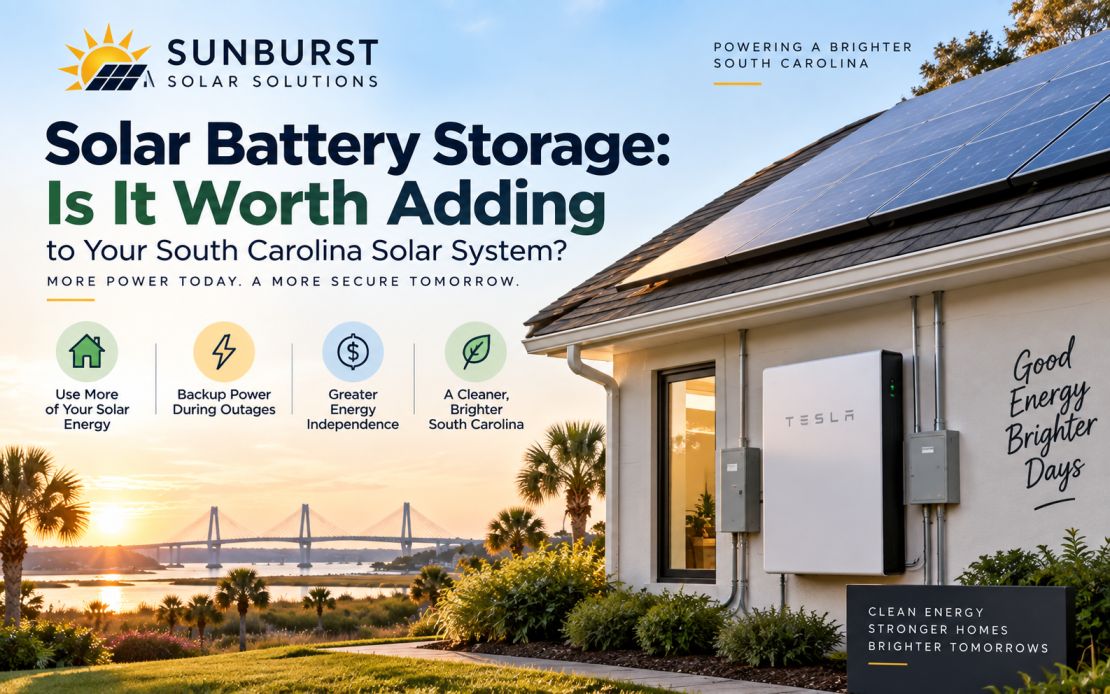
With additional battery storage systems, industries can even maintain operations during power outages.
Environmental Sustainability
Solar energy is a clean and renewable source of power. Unlike conventional electricity generated from fossil fuels, solar power does not produce harmful emissions or pollution. By adopting solar solutions, industries can significantly reduce their carbon footprint and support environmental protection.
This shift toward renewable energy also aligns with global efforts to combat climate change and promote sustainable development.
Long-Term Return on Investment
Industrial solar installations provide long-term financial benefits. Although the initial installation cost may seem significant, solar systems typically last for 25 years or more. During this time, industries can enjoy consistent energy savings and reduced operational expenses.
The return on investment from solar energy makes it an attractive option for industrial businesses seeking long-term stability.
Improved Corporate Image
Companies that adopt renewable energy solutions are often viewed as responsible and environmentally conscious organizations. Using solar energy can improve a company’s brand reputation and demonstrate its commitment to sustainability.
Many customers and investors prefer businesses that actively support environmentally friendly practices, making solar adoption beneficial for corporate image.
Types of Industrial Solar Systems
Industries can choose from different types of solar power systems depending on their energy requirements and location.
On-grid solar systems are connected to the local electricity grid. The electricity generated by the solar panels is used by the industry, and any excess energy can be exported to the grid.
Off-grid solar systems operate independently without connection to the electricity grid. These systems store energy in batteries and are suitable for industries located in remote areas.
Hybrid solar systems combine both grid connectivity and battery storage, providing a reliable and flexible energy solution.
Applications of Industrial Solar Energy
Industrial solar solutions can be applied across various sectors and industries.
Manufacturing plants can use solar energy to power production machinery and assembly lines. Textile industries can operate sewing machines, dyeing units, and lighting systems using solar electricity. Food processing units can run refrigeration systems and packaging equipment with solar power.
Warehouses and logistics centers can use solar energy for lighting, security systems, and automated equipment. Pharmaceutical and chemical industries can also benefit from solar energy for their operationals processes.
By integrating Industrial Rooftop Solar Panel in Raipur into daily operations, industries can improve efficiency while reducing energy costs.