Complete Guide to Ink and Roll Fingerprinting: Process, Benefits, and Key Differences
-

- Published Updated
- 1,586 views
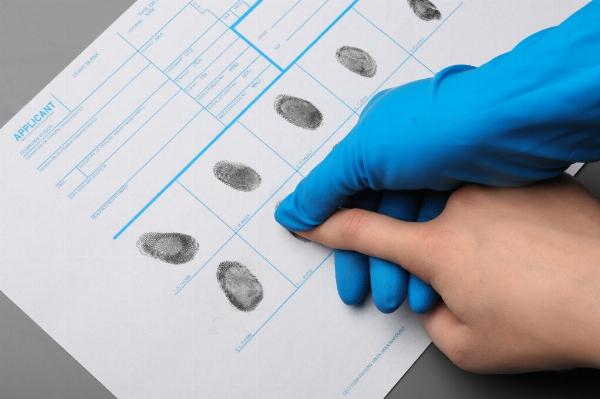
Ink and Roll Fingerprinting is a traditional fingerprinting technique used for collecting full friction ridge impressions from a person's fingers. This method remains a standard for many background checks, historical records, and situations where electronic live-scan equipment is not available. The procedure emphasizes careful rolling of each finger to capture complete ridge detail for classification and comparison.
- Ink and roll fingerprinting captures complete ridge impressions using ink and a card or sheet.
- Common uses include criminal records, employment background checks, and certain licensing requirements.
- Key distinctions: ink-and-roll vs. live-scan electronic capture vs. latent prints from crime scenes.
- Quality depends on technique, proper materials, and trained technicians; AFIS compatibility is typical.
Ink and Roll Fingerprinting: Process and Purpose
Overview
The ink and roll fingerprinting process records each finger's full friction ridge pattern by rolling the finger from one side of the nail bed to the other onto an ink pad and then onto a fingerprint card. This produces a rolled impression that reveals the maximum area of the ridges and minutiae points used for identification, classification, and electronic conversion when required.
Materials and forms
Typical materials include an ink pad or ink slab, high-quality fingerprint ink, a card or paper form designed for rolled impressions (historically standardized forms have been used by law enforcement), and gloves for the technician. Forms are often laid out to include rolled impressions, plain (slap) impressions, and signature/identifying information required for processing.
Step-by-step technique
- Prepare materials and verify the subject's identity using acceptable documents.
- Apply a thin, even layer of fingerprint ink to an inking slab or roller.
- Place the subject's finger on the slab, then roll it from nail edge to nail edge onto the card to capture a full ridge impression.
- Collect plain impressions (simultaneous impressions of multiple fingers) if required and record the subject's details and signature.
- Review impressions for clarity and completeness; retake if smudged, partial, or over-inked.
When and why ink-and-roll is used
Common applications
Ink and roll fingerprinting is used for legacy recordkeeping, some court and law enforcement contexts, certain occupational licensing, immigration documents in jurisdictions that still accept ink cards, and situations without access to live-scan devices. Records produced via ink capture can be digitized and submitted to automated systems such as AFIS (Automated Fingerprint Identification System).
Regulatory and technical context
Standards for fingerprint capture and transmission are issued by agencies and technical bodies; the Federal Bureau of Investigation (FBI) maintains national fingerprint databases and provides guidance on fingerprint submission. National Institute of Standards and Technology (NIST) and International Organization for Standardization (ISO) publish technical standards for image quality and data formats used in automated matching systems.
Benefits and limitations
Benefits
- Proven reliability for capturing full ridge detail when performed correctly.
- Low-cost equipment and minimal technical infrastructure required.
- Offline process useful in remote or resource-limited settings.
- Produces physical records that can serve as original documentation in legal or archival contexts.
Limitations
- Requires trained technicians to avoid smudging, over-inking, or partial prints.
- Longer processing time than live-scan electronic methods and additional digitization steps if electronic submission is needed.
- Physical cards can degrade or be mishandled unless stored properly.
Distinctions: Ink and Roll vs. Live-Scan and Latent Prints
Ink and roll vs. live-scan
Live-scan devices capture digital impressions directly and often include immediate quality checks, reducing the need for retakes and streamlining electronic submission to databases. Ink and roll requires manual capture and, if digital records are required, an additional scanning step. Both can be suitable for AFIS submission when image quality standards are met.
Ink and roll vs. latent fingerprint evidence
Latent prints are recovered from surfaces at crime scenes and are typically partial, smudged, or transferred impressions that require specialized enhancement and comparison techniques. Ink-and-roll prints are deliberate, controlled captures intended to provide full ridge detail for identification, not evidentiary recovery from objects.
Quality control and common errors
Image quality factors
Quality depends on correct ink application, appropriate finger pressure and rolling, proper card alignment, and prompt review. Over-inked or under-inked prints, excessive pressure, incomplete rolls, or oily/dirty skin can compromise ridge detail and matching performance.
Best practices
- Use trained personnel and standardized procedures for capture and review.
- Keep ink thin and even; use a clean inking surface and fresh cards.
- Retake impressions immediately if clarity is insufficient.
- Digitize prints at recommended resolution if electronic matching or submission is planned.
Where to find official guidance
National agencies and standard-setting organizations publish technical guidance for fingerprint capture and submission. For example, the FBI's Criminal Justice Information Services (CJIS) division details fingerprint submission and biometric services relevant to law enforcement and background checks: FBI CJIS: Fingerprints and Other Biometrics.
Frequently asked questions
What is Ink and Roll Fingerprinting and when is it used?
Ink and roll fingerprinting is a manual method for recording full fingerprint impressions by rolling each finger through ink onto a card. It is used when live-scan equipment is unavailable, for legacy record requirements, certain licensing or court processes, and where a physical record is preferred or required.
Can ink-and-roll prints be submitted to automated databases?
Yes. High-quality ink-and-roll prints can be scanned and converted to digital images for submission to automated systems like AFIS, provided they meet the receiving agency's image quality and format requirements.
How does one ensure good-quality rolled impressions?
Use the correct amount of ink, roll each finger from nail edge to nail edge, avoid excessive pressure, verify clarity immediately after capture, and retake any smudged or partial prints. Training and adherence to standard procedures improve outcomes.
Are ink-and-roll fingerprints still accepted for criminal background checks?
Acceptance varies by jurisdiction and the receiving agency. Many agencies now prefer electronic live-scan, but ink-and-roll may still be accepted for certain processes. Check requirements with the agency requesting the background check or the local law enforcement processing the prints.
How long are physical fingerprint cards retained?
Retention policies differ by agency and country. Law enforcement and government record systems have specific retention rules; archived physical cards should be stored following evidence and records management standards to preserve ridge detail.