What Is an IP Camera? Complete Guide to IP Camera Systems
-

- Published Updated
- 5,991 views
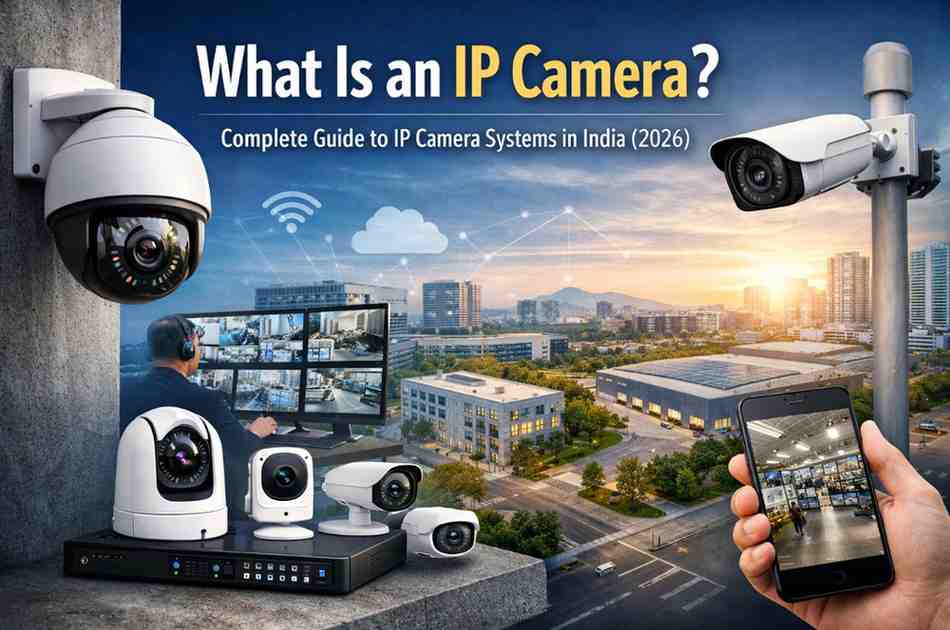
What Is an IP Camera? Everything You Need to Know About IP Camera Systemsvisit:- www.secureye.com/products/ip-camera
Security technology has evolved rapidly over the last decade, and IP Cameras have become one of the most preferred surveillance solutions for homes, businesses, and industrial facilities. With advanced features such as high-definition video, remote monitoring, artificial intelligence, and cloud connectivity, IP Cameras are transforming the way organizations protect people, property, and assets.
If you're planning to upgrade your security system or simply want to understand how modern surveillance works, this guide explains everything you need to know about IP Cameras.
What Is an IP Camera?
An IP Camera, also known as an Internet Protocol Camera, is a digital surveillance camera that captures video footage and transmits it over a network using Internet Protocol (IP). Unlike traditional analog CCTV cameras, IP Cameras convert video into digital data, allowing users to access live and recorded footage remotely through smartphones, tablets, or computers.
IP Cameras are widely used in residential buildings, offices, warehouses, factories, educational institutions, hospitals, retail stores, and public infrastructure due to their superior image quality and intelligent monitoring capabilities.
Unlike conventional CCTV systems that require dedicated cabling and DVRs, IP Camera systems provide greater flexibility, scalability, and remote accessibility.
How Does an IP Camera Work?
An IP Camera captures images using a digital image sensor. The camera processes the footage internally and converts it into digital signals. These signals are then transmitted through a local network or the internet using Ethernet cables, Wi-Fi, or Power over Ethernet (PoE) technology.
The recorded footage can be stored in different ways, including:
Network Video Recorder (NVR)
Cloud storage
NAS devices
Internal memory cards
Video Management Software (VMS)
Users can view live video feeds, playback recordings, receive alerts, and manage surveillance settings remotely from virtually anywhere.
This makes IP Camera systems highly suitable for businesses operating multiple locations or users who require real-time monitoring.
Key Components of an IP Camera System
A complete IP surveillance system typically consists of several important components.
IP Cameras
The camera captures video footage and transmits digital data through the network. Cameras are available in various designs and specifications depending on the application.
Network Video Recorder (NVR)
An NVR records, stores, and manages video footage from multiple IP Cameras. It acts as the central recording unit for the surveillance system.
Network Infrastructure
Routers, switches, Ethernet cables, and internet connectivity form the backbone of an IP surveillance system.
Storage Solutions
Video data can be stored locally through hard drives or remotely using cloud storage services.
Monitoring Software
Video Management Software allows users to monitor, playback, and manage surveillance footage from desktop or mobile devices.
Types of IP Cameras
Different surveillance environments require different types of cameras. Some of the most commonly used IP Cameras include:
Dome IP Cameras
Dome Cameras are commonly used for indoor surveillance in offices, schools, hospitals, and retail stores.
Advantages:
Wide-angle coverage
Elegant design
Vandal resistance
Bullet IP Cameras
Bullet Cameras are suitable for outdoor installations and long-range surveillance.
Advantages:
Weather-resistant housing
Long-distance viewing
Easy installation
PTZ IP Cameras
PTZ stands for Pan, Tilt, and Zoom.
These cameras can be remotely controlled to monitor large areas efficiently.
Advantages:
360-degree monitoring
Optical zoom capability
Auto-tracking features
Wireless IP Cameras
Wireless IP Cameras use Wi-Fi connectivity, reducing the need for network cables.
Advantages:
Flexible installation
Remote access
Minimal wiring
AI IP Cameras
AI-powered cameras use artificial intelligence to improve surveillance accuracy.
Features include:
Human detection
Vehicle detection
Face recognition
Intrusion alerts
Behavior analysis
Benefits of IP Cameras
High-Definition Video Quality
IP Cameras support resolutions ranging from 2MP to 4K Ultra HD, providing sharp and detailed footage for accurate monitoring.
Remote Monitoring
Users can access surveillance footage from smartphones, laptops, or tablets regardless of location.
Intelligent Analytics
Modern IP Cameras support advanced features such as:
Motion detection
Perimeter protection
Line crossing alerts
Object tracking
Smart notifications
Scalability
Businesses can easily add additional cameras without major infrastructure changes.
Better Security
Encrypted data transmission and secure network protocols help protect footage from unauthorized access.
IP Camera vs Analog CCTV Camera
Many users often compare IP Cameras with traditional CCTV systems.
| Feature | IP Camera | Analog CCTV |
|---|---|---|
| Video Quality | HD to 4K Ultra HD | Standard HD |
| Remote Access | Yes | Limited |
| Smart Analytics | Advanced | Basic |
| Scalability | High | Moderate |
| Installation | Network Based | Coaxial Cable |
IP Cameras generally provide better flexibility, higher image quality, and intelligent security features compared to analog CCTV systems.
Applications of IP Cameras
IP Cameras are used across multiple industries and environments.
Residential Security
Protect homes, apartments, and gated communities from unauthorized access and theft.
Commercial Buildings
Monitor offices, entrances, parking areas, and employee workspaces.
Warehouses and Logistics
Track inventory movement, loading docks, and storage areas.
Manufacturing Facilities
Improve workplace safety and monitor production lines.
Educational Institutions
Enhance campus security in schools, colleges, and universities.
Hospitals and Healthcare Facilities
Monitor patient areas, entrances, and restricted zones.
Retail Stores and Shopping Malls
Reduce shrinkage, improve customer safety, and monitor operations.
Important Features to Consider Before Buying an IP Camera
Choosing the right IP Camera depends on your specific security requirements.
Consider the following factors:
Resolution (2MP, 4MP, 5MP, 8MP)
Indoor or outdoor usage
Night vision capability
Weather resistance (IP66/IP67)
AI analytics
Storage capacity
Mobile app support
Warranty and service support
Businesses should also evaluate future expansion needs while selecting a surveillance system.
Do IP Cameras Need Internet?
One of the most common questions is whether IP Cameras require internet access.
The answer is No.
IP Cameras can function on a local network without internet connectivity. Internet access is only necessary when users want remote viewing, cloud storage, or mobile notifications.
This makes IP surveillance systems suitable even for locations with limited internet availability.
The Future of IP Surveillance
The future of surveillance is becoming increasingly intelligent. Technologies such as Artificial Intelligence (AI), cloud storage, edge computing, and smart analytics are transforming security operations across industries.
Modern IP Cameras can automatically identify suspicious activities, detect intrusions, and send instant alerts, helping organizations respond faster to security incidents.
As businesses continue adopting digital security solutions, IP Camera systems are expected to play an even greater role in ensuring safety and operational efficiency.
Conclusion
IP Cameras have revolutionized modern surveillance by offering high-definition video quality, remote accessibility, intelligent analytics, and scalable security solutions. Whether securing a home, office, warehouse, factory, school, hospital, or commercial property, IP Camera systems provide reliable and future-ready protection.
Before investing in an IP Camera solution, carefully evaluate your security objectives, storage requirements, and deployment environment to select the right system for long-term security and peace of mind.