Kratom and Sleep: Evidence, Safety Concerns, and What Research Shows
-

- Published Updated
- 1,694 views
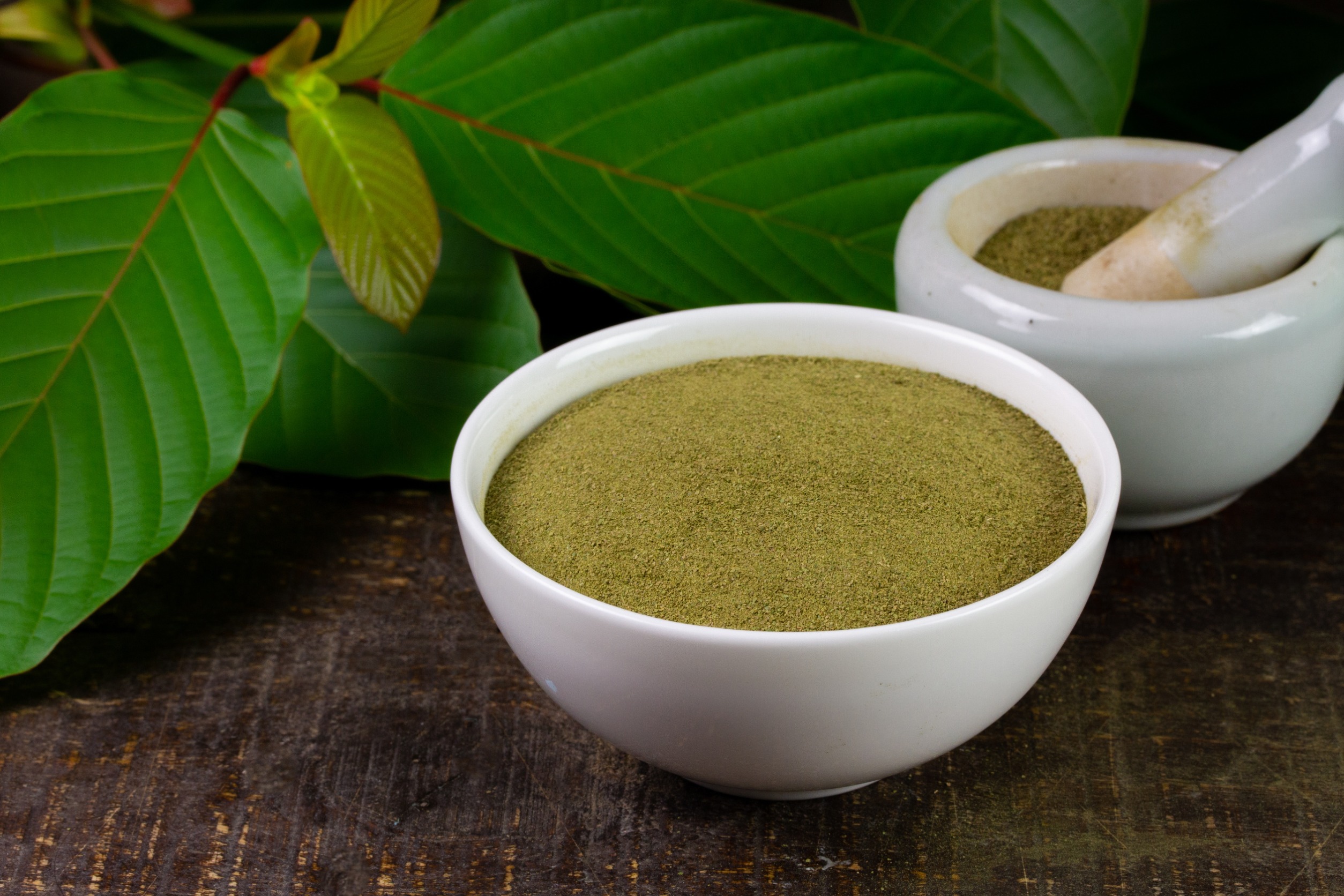
Kratom for sleep is a common search topic among people seeking natural ways to manage insomnia or restless nights. This article summarizes what scientific studies, poison control data, and regulatory agencies say about whether kratom helps with sleep, how it might affect sleep physiology, and what safety concerns to consider.
- Evidence that kratom improves sleep is limited and mostly comes from user reports and small observational studies.
- Kratom contains alkaloids (mitragynine and 7-hydroxymitragynine) that act on opioid and other receptors; effects vary by dose and strain.
- Some users report sedative effects at higher doses and stimulant effects at lower doses; risks include dependence, withdrawal, and potential respiratory depression.
- Regulators such as the U.S. Food and Drug Administration and research summaries from national institutes warn about safety concerns and limited clinical evidence.
Kratom for sleep: what the research shows
Scientific evidence on kratom for sleep is limited. Most clinical data are observational, based on surveys, case reports, or animal studies rather than randomized controlled trials measuring sleep architecture with polysomnography. A small number of studies and numerous anecdotal reports indicate that kratom's effects on sleep are dose-dependent: lower doses are often described as stimulating and energizing, while higher doses can produce sedative effects that may make users feel drowsy.
Active compounds and their actions
Kratom (Mitragyna speciosa) contains several active alkaloids, primarily mitragynine and 7-hydroxymitragynine. These interact with mu-opioid receptors and other neurotransmitter systems, which is likely responsible for both analgesic and sedative effects reported by users. Preclinical research indicates modulation of opioid, adrenergic, and serotonergic systems, but precise impacts on sleep stages such as REM and slow-wave sleep are not well-established in human trials.
Human data and limitations
Published human studies are sparse. Cross-sectional surveys often report that some people use kratom to aid sleep, reduce anxiety, or manage pain that interferes with rest. However, these surveys cannot prove causation and are subject to selection and recall bias. Case reports and poison control center data document adverse events, including sleep disturbance, excessive sedation, and in rare instances respiratory depression when kratom is used with other sedatives or substances.
How kratom may affect sleep and sleep quality
Dose-dependent effects
Many users report stimulant-like effects at low doses — increased alertness, improved focus — and sedative or calming effects at higher doses. This biphasic profile means that timing and dose can profoundly change how sleep is affected. There is no standardized dosing or quality control for kratom products, which complicates assessment of sleep outcomes.
Potential impacts on sleep architecture
No robust clinical trials have characterized kratom's effects on sleep architecture (stages N1–N3 and REM). Animal studies suggest central nervous system effects, but it is unclear whether kratom improves sleep continuity, increases slow-wave sleep, or alters REM in humans. Users reporting improved sleep may be experiencing secondary effects, such as pain relief or reduced anxiety that indirectly support sleep.
Risks, safety concerns, and interactions
Dependence, withdrawal, and long-term use
Regular kratom use can lead to tolerance and dependence in some individuals. Withdrawal symptoms reported include insomnia, irritability, muscle aches, and mood changes. These withdrawal effects can themselves disturb sleep.
Drug interactions and respiratory risk
Kratom can interact with prescription medications and other central nervous system depressants, increasing the risk of excessive sedation and respiratory depression. Health authorities, including the U.S. Food and Drug Administration (FDA), have issued warnings about kratom-related risks. Co-use with opioids, benzodiazepines, or alcohol is especially hazardous.
Product variability and contamination
Commercial kratom products vary widely in alkaloid content and may be contaminated. Lack of regulation means dosages are inconsistent across products. Reports of liver injury and other adverse events exist in the literature, though these are relatively uncommon and causality can be difficult to prove.
Guidance from regulators and research organizations
Public health bodies emphasize limited evidence for therapeutic use and potential harms. For summaries of current research and regulatory perspectives, see the National Institute on Drug Abuse (NIDA) overview of kratom, which reviews available human and preclinical data and safety concerns: NIDA: Kratom.
Practical considerations
When evaluating kratom and sleep
- Consider the source and quality of any product; variability affects effects and safety.
- Avoid mixing kratom with alcohol, benzodiazepines, or other opioids due to increased sedation and respiratory risk.
- Be aware of dependence and withdrawal; sudden discontinuation after regular use may cause insomnia and other symptoms.
- Consult qualified healthcare professionals when managing chronic sleep problems; evidence-based therapies for insomnia include cognitive behavioral therapy for insomnia (CBT-I).
Research gaps and what to watch for
Key research gaps include randomized controlled trials measuring objective sleep outcomes, standardized dosing studies, and longer-term safety data. Continued monitoring by poison control centers, toxicology labs, and research institutions will refine understanding of both potential benefits and harms.
Frequently asked questions
Is kratom for sleep supported by strong clinical evidence?
No. Strong clinical evidence from randomized controlled trials is lacking. Most data are observational, anecdotal, or from animal studies.
Can kratom make sleep worse?
Yes. At low doses kratom can act as a stimulant for some people, and withdrawal from regular use can cause insomnia. Mixing with other substances may also impair sleep and increase risk of adverse effects.
Are there safer, evidence-based treatments for chronic insomnia?
Yes. Cognitive behavioral therapy for insomnia (CBT-I) is supported by clinical guidelines and evidence. Prescription and over-the-counter medications exist but should be used under professional guidance. Discuss options with a qualified healthcare provider or sleep specialist.
What are the main safety concerns with kratom?
Main concerns include dependence and withdrawal, inconsistent product potency, potential liver injury, interactions with other drugs, and rare reports of severe respiratory depression when combined with other sedatives.
How should someone approach using kratom if considering it for sleep?
Approach cautiously. Verify product quality where possible, avoid combining with other depressants, and seek medical guidance for persistent sleep problems. Regulatory agencies and research bodies recommend caution due to limited evidence and potential harms.