Comprehensive Guide to Laser Tattoo Removal in Dubai: Safe, Advanced, and Effective
-

- Published Updated
- 2,143 views
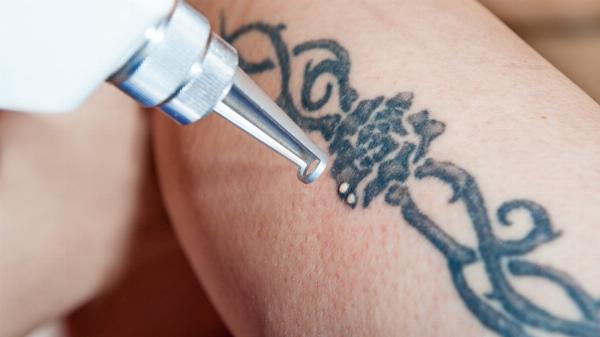
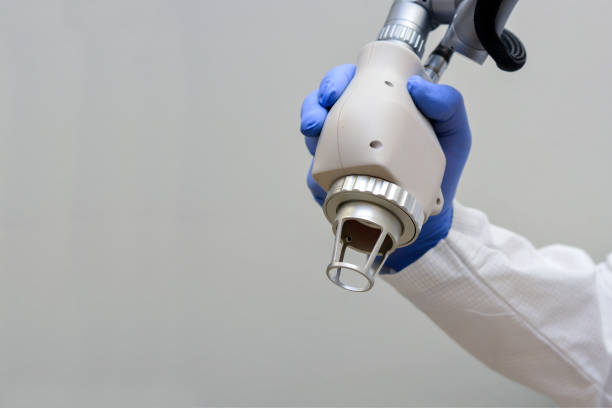
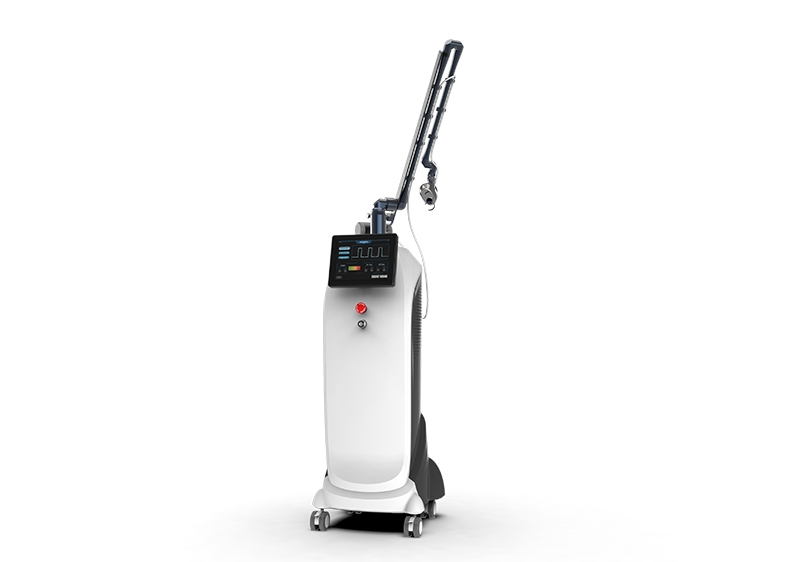
Laser tattoo removal Dubai is increasingly available with advanced devices such as picosecond and Q-switched lasers that target ink particles while minimizing skin damage. This guide explains how modern laser systems work, key safety considerations under local regulations, expected results, and practical aftercare to support informed decisions.
- Modern lasers (picosecond, Q‑switched) break tattoo ink into particles that the immune system clears.
- Safety in Dubai is governed by health regulators; choose licensed clinicians and device-cleared facilities.
- Results vary by ink color, age of tattoo, skin type, and number of sessions—complete removal may not be guaranteed.
- Common side effects include temporary redness, blistering, and pigment changes; serious complications are uncommon with proper care.
laser tattoo removal Dubai: How the technology works
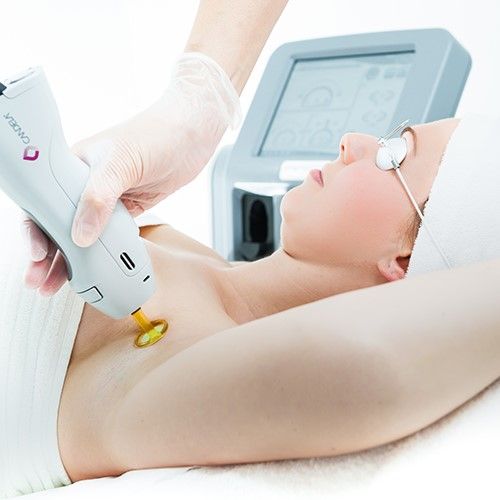
Laser tattoo removal uses short, intense pulses of light at specific wavelengths to fragment tattoo ink in the skin. Two common technologies are Q‑switched lasers (nanosecond pulse durations) and picosecond lasers (trillionths of a second pulses). Picosecond systems deliver energy so quickly that ink particles shatter more efficiently, which can shorten the number of sessions for some colors and inks.
Wavelengths and ink colors
Lasers operate at different wavelengths that are absorbed preferentially by certain pigment colors. For example, green and blue inks typically require specific wavelengths that differ from those used for black ink. Multiple passes or different devices may be needed to treat multicolored tattoos.
Role of the immune system
After laser fragmentation, ink particles are removed gradually by immune cells (macrophages) and the lymphatic system. Clearance speed depends on individual immune response, tattoo depth, and particle size after treatment.
Safety, regulation, and clinical standards
Safety protocols and practitioner qualifications are central to safe outcomes. In Dubai, health regulators such as the Dubai Health Authority (DHA) and the UAE Ministry of Health and Prevention set facility licensing and practitioner standards for medical laser use. Facilities should use licensed medical devices and ensure clinicians are trained in laser safety and skin assessment.
For local regulatory guidance and facility registration information, consult the Dubai Health Authority website: Dubai Health Authority.
Potential side effects and risks
Common, usually temporary effects include redness, swelling, blistering, crusting, and scabbing. Pigment changes—hypopigmentation (lighter skin) or hyperpigmentation (darker skin)—can occur, particularly in darker Fitzpatrick skin types. Scarring and infection are less common when protocols are followed; however, appropriate clinical assessment before treatment reduces risks.
Expected results and number of sessions
Number of sessions varies widely. Factors that affect outcomes include tattoo color, ink type (professional vs. amateur), tattoo age, ink depth, and the patient’s skin type. Black ink generally responds best; greens and blues are more challenging. Sessions are usually spaced 6–12 weeks apart to allow skin recovery and immune clearance.
Realistic outcomes
Complete removal may not be possible in all cases. Fading sufficient for cover-up or a substantially lighter appearance is a common and realistic outcome. Clinicians typically provide photographic examples of prior patients and a session estimate based on an on-site evaluation.
Choosing a clinic in Dubai
Credentials and equipment
Choose clinics licensed by local health authorities and clinicians with documented training in laser medicine or dermatology. Verify that devices are maintained, calibrated, and appropriate for treating a range of skin types and ink colors.
Consultation and patch testing
A thorough consultation should include skin type evaluation (Fitzpatrick scale), medical history, prior tattoo procedures, and a discussion of realistic expectations. Some clinics perform test spots to assess skin response before full treatment.
Aftercare and recovery
Aftercare typically involves gentle cleansing, topical dressings or ointments as advised, sun protection, and avoiding picking at crusts. Follow-up visits assess healing and plan subsequent sessions. Sun exposure should be minimized during the course of treatment to reduce pigment changes.
When to seek medical help
Contact the treating clinic or a licensed medical provider if signs of infection (increasing pain, spreading redness, pus), severe allergic reactions, or unexpected skin changes occur.
Evidence and clinical guidance
Clinical studies published in dermatology journals compare picosecond and nanosecond (Q‑switched) lasers, showing picosecond devices can reduce the number of treatments for some tattoo colors. Professional societies such as the American Academy of Dermatology provide practice resources on laser safety and patient counseling. Local regulators provide requirements for facility licensing and device use.
Further reading and sources
For regulatory and facility guidance, refer to the Dubai Health Authority’s official resources and to peer‑reviewed dermatology literature for comparative studies of laser technologies. Clinicians may consult guidance from recognized dermatology organizations for technical standards and safety protocols.
Frequently asked questions
Is laser tattoo removal Dubai safe?
When performed by licensed clinicians in regulated facilities using appropriate devices and protocols, laser tattoo removal is generally considered safe. Risks include temporary pigment changes and blistering; serious complications are uncommon with proper technique and aftercare.
How many sessions are needed for complete removal?
The number of sessions varies: some tattoos require a few treatments, while others need many sessions spread over months. Factors include ink color, tattoo age, ink composition, skin type, and the laser technology used.
Does laser tattoo removal work on all colors?
Laser effectiveness depends on color and wavelength. Black ink is typically easiest to remove; reds, blues, and greens may require specific wavelengths or more sessions. Some pigments and cosmetic tattoo inks may be resistant to standard lasers.
Will the treatment leave a scar?
Scarring is uncommon when treatments are performed correctly, but it can occur, especially with improper aftercare, infection, or aggressive settings. A qualified clinician will tailor treatment to minimize scarring risk.
Can sun exposure affect results?
Yes. Sun exposure before and after sessions increases the risk of pigment changes and can affect healing. Sun protection and avoiding tanning are recommended during the treatment course.
What should be checked before booking a session?
Confirm facility licensing, clinician qualifications, device suitability for the tattoo and skin type, a proper consultation, and clear pre/post‑treatment instructions. Patch testing can help predict skin response.