Leading Global Search Engines: A Practical Top 10 Guide
-

- Published Updated
- 1,851 views
Introduction
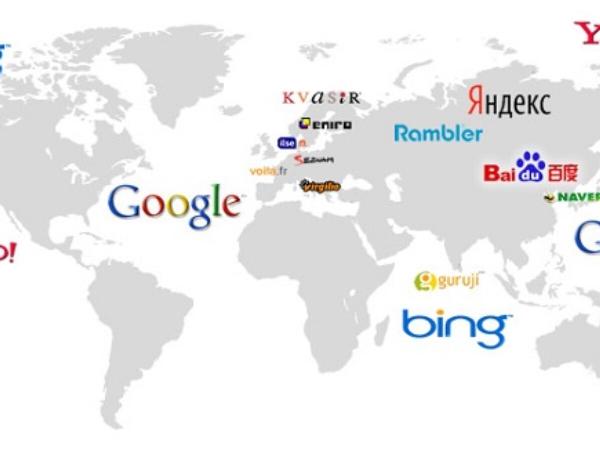
The internet is navigated through a small set of powerful tools; this guide introduces the top 10 world famous search engines and explains what makes each one distinct. Understanding differences in indexing, ranking, privacy policies, and regional coverage helps users choose the best platform for web research, shopping, news, and local queries.
- Top listed engines include general-purpose, privacy-focused, and region-specific platforms.
- Ranking factors include crawl coverage, indexing methods, relevance algorithms, and user signals.
- Privacy, local laws, and corporate policies influence data handling and search results.
world famous search engines: Top 10 list and brief profiles
The following entries cover widely used search platforms, emphasizing core features such as search quality, geographic reach, privacy options, and specialized tools.
1. Google
Google is known for broad web coverage, fast indexing, and advanced ranking algorithms that consider relevance signals, page experience, and query intent. It powers many localized and vertical search features, such as images, maps, news, and shopping results.
2. Bing
Bing delivers general web search and integrates multimedia previews and a visual search experience. It often provides different ranking and snippet displays compared with other engines and serves a global audience with particular strength in certain markets.
3. Baidu
Baidu is a leading search engine in China, optimized for Chinese-language content, local services, and regulatory requirements in that region.
4. Yahoo
Yahoo Search combines web results, news, and portal content. In some markets it aggregates results from other providers and presents curated content alongside organic results.
5. Yandex
Yandex is prominent in Russia and neighboring countries, offering localized search, maps, and language-specific features tailored to Cyrillic script and regional user behavior.
6. DuckDuckGo
DuckDuckGo positions itself as a privacy-focused alternative that minimizes user tracking and offers simplified search results without personalized advertising profiles.
7. Ecosia
Ecosia combines web search with an environmental mission, directing ad revenue toward tree-planting initiatives. It uses results from major indexers while highlighting sustainability impact.
8. Naver
Naver leads in South Korea with a portal-style approach, integrating community content, knowledge bases, and multimedia search tailored to local users.
9. Seznam
Seznam is a major Czech search engine and portal, serving Czech-language content and regional directories with local relevance and services.
10. Ask (Ask.com)
Ask focuses on question-and-answer style queries and continues to provide a simple interface for informational searches and community-driven responses.
How search engines work: crawling, indexing, and ranking
Crawling and indexing
Search engines use web crawlers to discover web pages, follow links, and build an index. Indexing involves parsing page content, metadata, structured data, and language signals so that results can be retrieved for matching queries.
Ranking algorithms and query intent
Ranking systems combine hundreds of signals, including relevance to query keywords, site authority, user engagement, freshness, and page speed. Understanding query intent (informational, navigational, transactional) helps explain differences in result types across engines.
Privacy, regulation, and trust considerations
Privacy models
Privacy approaches vary: some engines build user profiles to personalize results and advertising, while privacy-focused engines limit tracking and store little or no identifiable data. Users concerned about data protection should review published privacy policies and any available transparency reports.
Regulation and oversight
Search platforms operate under national and regional laws. Regulators such as the European Commission and agencies like the U.S. Federal Trade Commission have addressed issues including competition, data protection, and content moderation. Web standards bodies, for example the World Wide Web Consortium, publish technical recommendations that affect how sites are crawled and presented.
Choosing the right search engine for different needs
General research and broad coverage
For comprehensive search results and advanced features, general-purpose engines with large indexes are typically preferred. Consider language and regional coverage when researching local topics.
Privacy or mission-driven choices
For users prioritizing privacy or social impact, select engines that publicly document data handling practices or channel revenue to causes. Evaluate transparency reports and third-party assessments where available.
Specialized queries
Some engines or vertical search tools are better for images, academic literature, maps, or shopping. Use specialized tools and filters when seeking specific result types.
Further reading and authoritative source
For technical standards and guidance related to how web content is discovered and rendered, consult the World Wide Web Consortium.
World Wide Web Consortium (W3C)
FAQ
Which are the most reliable world famous search engines?
Reliability depends on purpose: large, well-resourced engines typically offer broader coverage and faster indexing, while regional engines provide better local language and market relevance. Consider results consistency, uptime, and whether the engine meets privacy or localization needs.
How do search engines handle privacy and personal data?
Practices vary: some platforms collect behavioral data to personalize results and target ads; others minimize data retention. Review each engine's privacy policy and any available transparency reports to understand specific practices.
Do search engines index all websites?
No. Indexing depends on crawler access, robots.txt directives, site structure, and the engine's selection policies. Some content—such as password-protected pages, private databases, or dynamically generated resources—may not be indexed.
How can website owners improve visibility on search engines?
Site owners can improve discovery by following web standards, providing clear site structure and sitemaps, optimizing page speed and mobile usability, using descriptive metadata, and offering high-quality content that matches user intent. Official webmaster guidelines published by major engines and web standards organizations provide detailed best practices.