How Preschool Shapes Lifelong Outcomes: Benefits, Evidence, and Policy
-
- February 23rd, 2026
- 1,893 views

FREE SEO Topical Map Generator: Find Your Next Content Ideas
How early experiences lead to the lifelong benefits of preschool education
Early childhood programs play a formative role in development, and understanding the lifelong benefits of preschool education helps families, educators, and policymakers make informed choices. Research links high-quality preschool to improvements in school readiness, language and cognitive skills, social-emotional learning, and later academic attainment. The term "lifelong benefits of preschool education" summarizes these long-term outcomes that unfold across childhood, adolescence, and into adulthood.
- High-quality preschool is associated with better school readiness, higher test scores, and improved social skills.
- Long-term outcomes include higher educational attainment, greater employment rates, and lower involvement with the criminal justice system for some groups.
- Program quality, teacher qualifications, family engagement, and equitable access shape how large and lasting benefits are.
- Policy design and sustained investment influence whether benefits reach broad populations.
Key ways preschool supports development
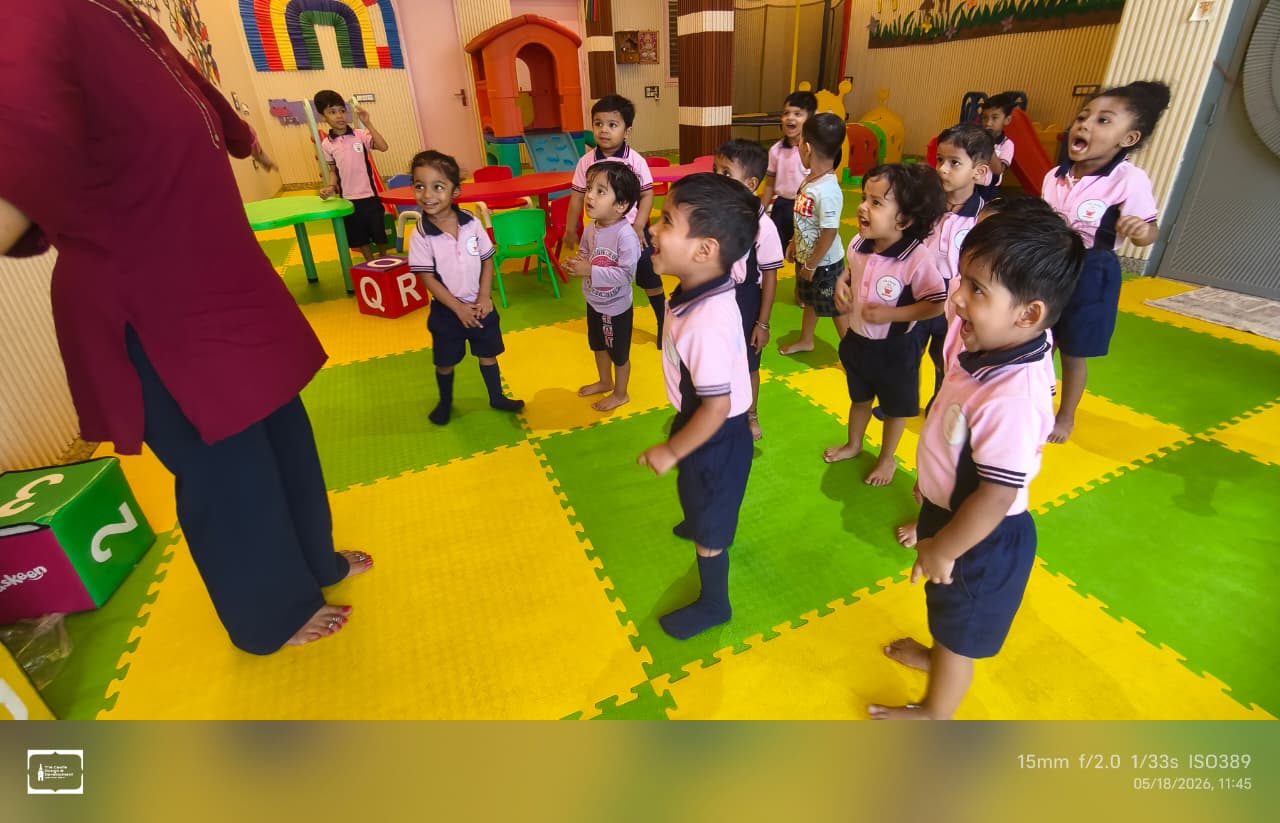
Preschool settings provide structured learning, social interactions, and language-rich environments that stimulate multiple domains of development. Activities that emphasize group play, early literacy and numeracy, and guided exploration contribute to cognitive development and executive function. Social-emotional learning—such as sharing, self-regulation, and conflict resolution—emerges through teacher-supported peer interactions and is a recurring predictor of later school success.
Cognitive and academic foundations
Preschool curricula that combine play-based learning with targeted instruction help children develop vocabulary, early math concepts, and attention skills. Meta-analyses and longitudinal studies indicate gains in school readiness and early grades achievement, especially for children from underserved backgrounds.
Social-emotional and behavioral skills
Regular routines, classroom norms, and adult scaffolding in preschool support self-control, emotional regulation, and cooperative behaviors. These skills are linked to improved classroom engagement and reduced behavior problems in elementary school.
Evidence for long-term outcomes
Longitudinal research documents a variety of lasting effects tied to early childhood programs. Evaluations from randomized trials and quasi-experimental designs find associations between high-quality preschool attendance and higher rates of high school graduation, increased earnings, and better health indicators for some populations. Economists and education researchers commonly cite early investment returns, while also noting variation in effect size based on program quality and duration.
Educational attainment and labor market outcomes
Some long-term studies show that participants in intensive preschool programs complete more years of schooling and attain higher employment rates as adults. These outcomes contribute to broader economic arguments for early childhood investment.
Social outcomes and public savings
Research has linked preschool participation to reductions in special education placement, grade retention, and criminal justice involvement in certain cohorts. These downstream effects are often included in cost–benefit analyses that compare upfront program costs with later public savings.
Factors that influence the size of benefits
Not all preschool programs produce the same outcomes. Key factors that shape effectiveness include class size, teacher qualifications and training, curriculum coherence, family engagement, and equitable access. Programs that combine qualified teachers, developmentally appropriate curricula, and strong family partnerships tend to produce larger and more sustained results.
Quality and workforce
Teacher preparation, professional development, and supportive working conditions are central to consistent classroom quality. State and national regulators often set standards for staff-to-child ratios and credentialing to improve program effectiveness.
Access and equity
Access to affordable, high-quality preschool remains unequal. Targeted policies can expand access for low-income families, children with disabilities, and communities with limited early childhood infrastructure.
Policy and practice considerations
Policymakers face trade-offs between expanding access quickly and ensuring program quality. Sustained funding, data systems that track child outcomes, and alignment between preschool and K–12 systems support better transitions and continuity of learning. Organizations such as UNESCO and national education agencies publish guidance and frameworks for program standards and quality improvement efforts; these resources are useful for administrators and researchers alike. For global guidance on early childhood care and education, see UNESCO.
Family engagement and home learning
Preschool benefits are amplified when families receive support to create learning-rich home environments. Parent education, home visits, and community services that complement classroom learning help sustain gains beyond program participation.
Measuring and interpreting the evidence
Interpretation of results should account for study design, follow-up period, and population differences. Reviews by academic centers and government research offices highlight consistent short-term gains in readiness, with more variable long-term effects linked to program characteristics. For balanced understanding, consult peer-reviewed studies and governmental reports from education research agencies.
Frequently asked questions
What are the lifelong benefits of preschool education?
The lifelong benefits of preschool education include improved school readiness, stronger language and social skills, higher likelihood of completing more education, and, for some groups, better employment prospects and lower rates of involvement with the justice system. The magnitude of these benefits depends on program quality, duration, and equitable access.
At what age should a child start preschool?
Age recommendations vary by program and family needs. Many preschool programs accept children aged 3–5. Developmental readiness, family circumstances, and program quality should guide decisions rather than a single optimal age for all children.
How can parents assess preschool quality?
Look for qualified teachers, low child-to-staff ratios, developmentally appropriate curricula, safe physical environments, and family engagement practices. Observation, provider interviews, and checking state or national quality ratings can help evaluate options.
Do preschool benefits last into adulthood?
Some longitudinal studies show benefits that persist into adulthood, including higher educational attainment and improved economic outcomes, but results vary across studies. Sustained benefits are more likely when preschool is part of a coherent system of supports across early childhood and school years.