Luxury Home Interior Design: From Concept to Finished Space
-

- March 04th, 2026
- 1,688 views
Designing luxury home interiors begins with a clear concept that balances aesthetic intent, functional planning, and durable finishes. This guide explains how to move from initial ideas to a finished space while considering spatial planning, materials, lighting, bespoke furnishings, sustainability, and working with professionals.
Key phases: briefing and concept → space planning and technical design → selecting materials and lighting → procurement and project management → installation and final styling. Prioritize a cohesive material palette, layered lighting, acoustic comfort, and clear coordination among contractors and specialists.
Principles of Luxury Home Interiors
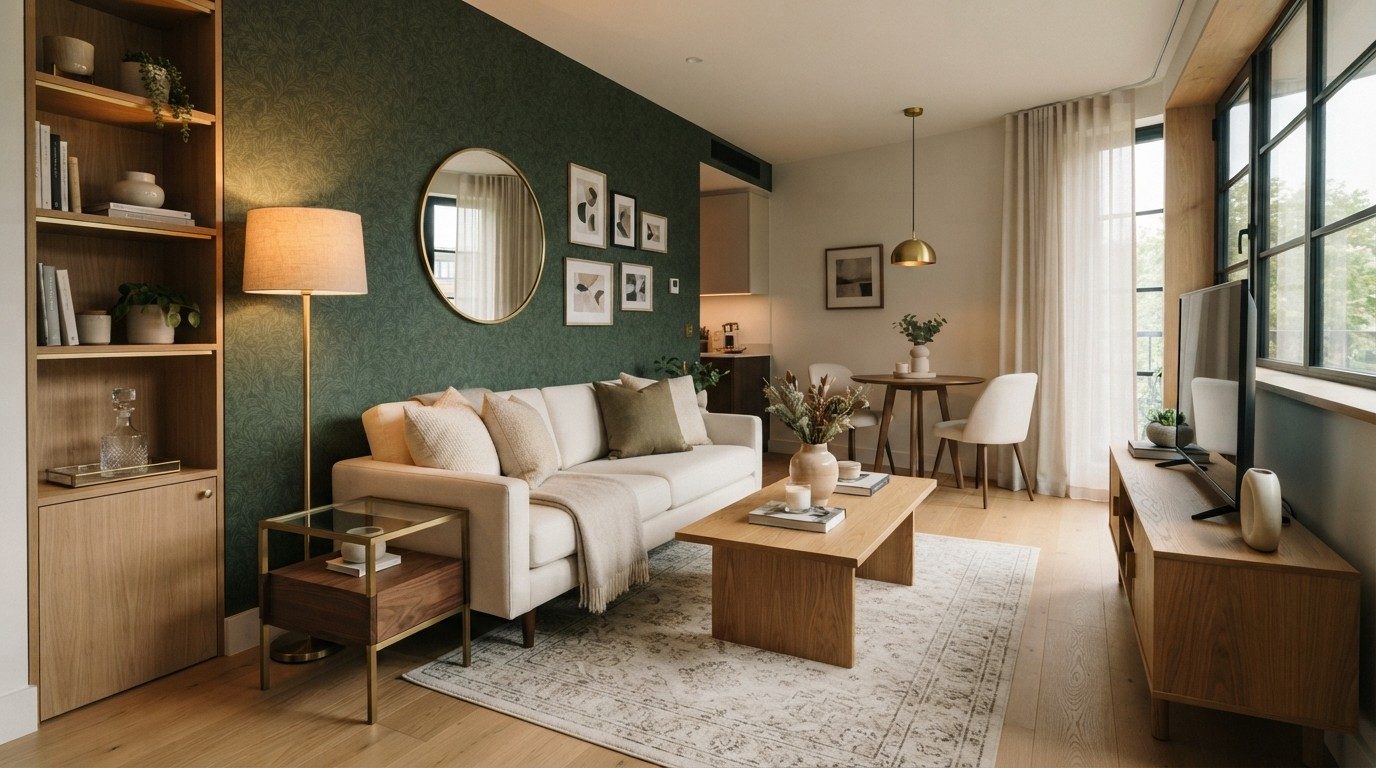
Luxury home interiors are defined by attention to detail, high-quality materials, thoughtful proportions, and a restrained, intentional palette. Focus on longevity and sensory quality: tactile surfaces, natural light, and well-integrated systems for comfort and convenience. Successful luxury schemes combine fine finishes (stone, hardwood, metalwork), coordinated joinery, and custom or limited-edition furniture to create uniqueness and refinement.
From Concept to Design Brief
Start with a clear brief that captures lifestyle needs, desired atmosphere, and practical constraints. Include room-by-room program requirements (sleeping, entertaining, working), preferred materials and color families, and any bespoke requirements such as built-in cabinetry, home cinema, or wine storage. Early decisions about scale, circulation, and focal points guide later choices for finishes, lighting, and furnishings.
Space Planning, Architecture, and Technical Coordination
Spatial layout
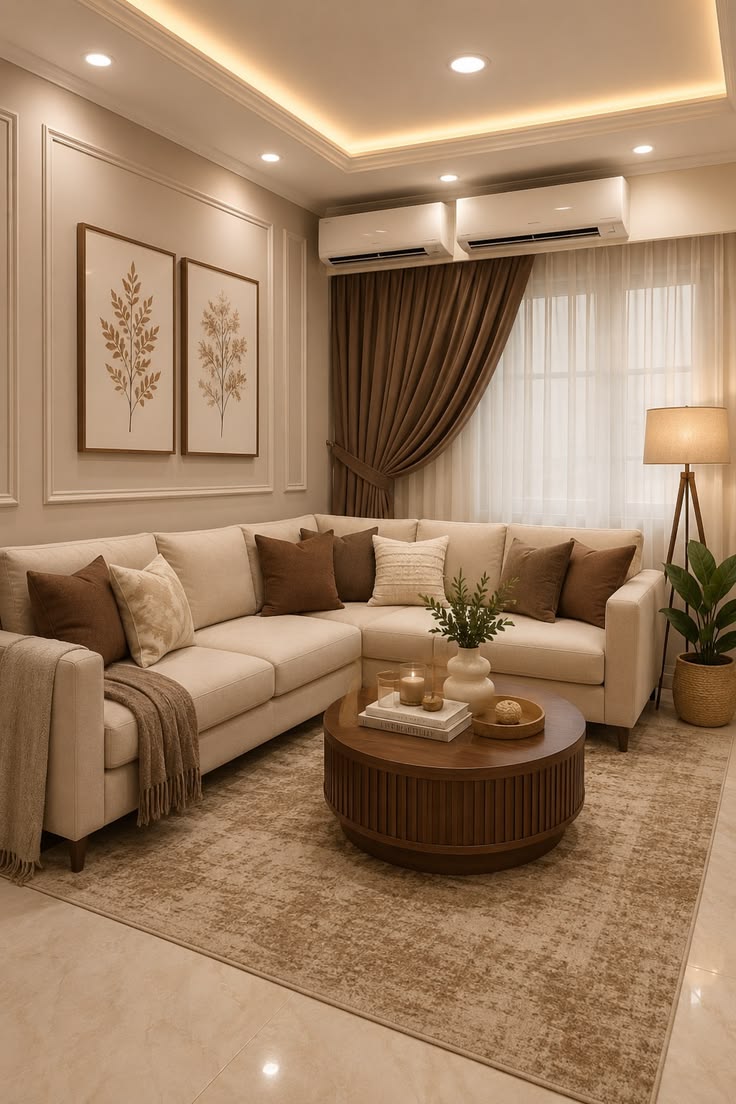
Prioritize circulation paths, sightlines, and furniture placement to ensure rooms feel generous without wasted space. Scale is critical: luxury interiors often favor larger, well-proportioned pieces rather than overcrowded layouts.
Technical requirements
Coordinate mechanical, electrical, and plumbing work with interior joinery and lighting design. Acoustic planning and HVAC integration are essential for comfort in high-end homes. Consult licensed architects or chartered professionals where structural changes or regulated installations are proposed; organizations such as the Royal Institute of British Architects (RIBA) and the American Society of Interior Designers (ASID) provide guidelines on professional practice.
Materials, Finishes, and Surfaces
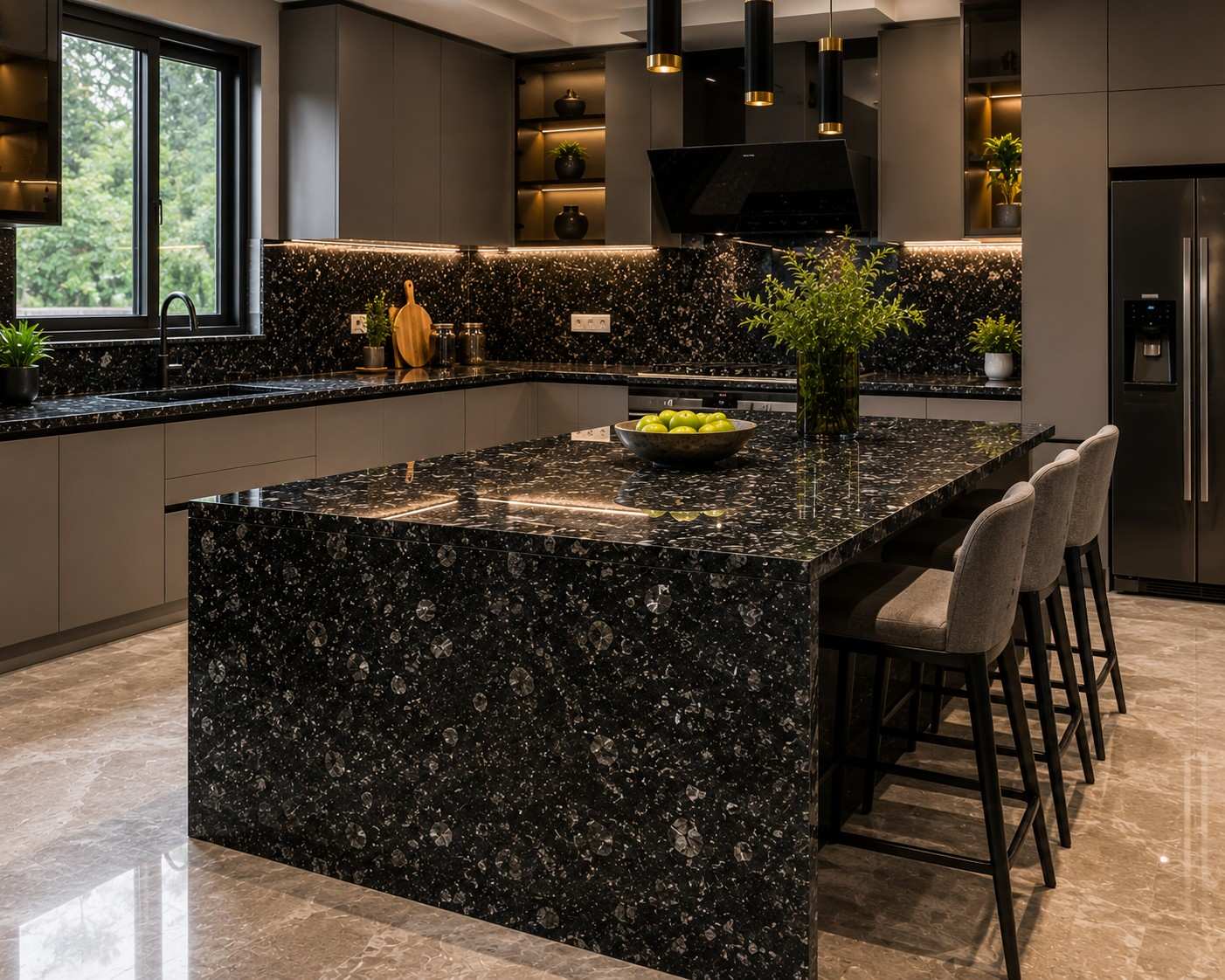
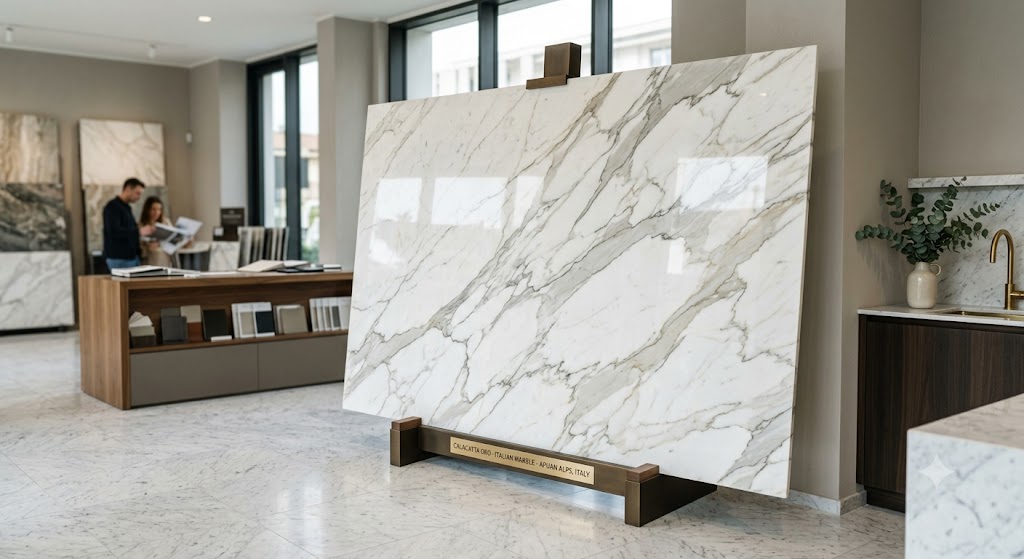
A curated material palette elevates a luxury interior. Natural stone, wide-plank hardwood, leather, linen, and hand-finished metals convey richness and age gracefully. Consider durability and maintenance alongside aesthetic qualities: matte finishes and honed stones often conceal wear better than glossy surfaces. Use a dominant neutral base with selective accents—marble veining, brass trims, or deep lacquered cabinetry—to create visual hierarchy.
Lighting, Acoustics, and Sensory Design
Layered lighting (ambient, task, accent) transforms spaces. Integrate dimming controls, zoned circuits, and carefully placed fixtures to highlight materials and art. Acoustic treatments—rugs, upholstered panels, bookcases—improve comfort in open-plan layouts. Scent, tactile materials, and temperature control also contribute to a perception of luxury.
Bespoke Furniture, Art, and Accessories
Custom or limited-production furniture allows exact fit and finishes for a space. Work with skilled cabinetmakers and upholstery workshops when durability and tailored proportions are priorities. Art and curated objects provide personality; allocate wall and floor space intentionally to let pieces breathe and create visual focus.
Sustainability, Codes, and Certifications
Sustainable choices are increasingly integral to luxury interiors. Use certified timber, low-VOC finishes, and energy-efficient systems. Consult local building codes and regulations for ventilation, insulation, and electrical work. Professional standards and resources include the American Society of Interior Designers (ASID) for guidance on practice and ethics. ASID
Procurement, Budgeting, and Project Management
Establish procurement timelines for long-lead items such as custom cabinetry, stone slabs, and upholstered pieces. Maintain a contingency for schedule or specification changes. Project management should include regular site coordination meetings, specification documents, and consolidated punch lists to ensure installation aligns with the original concept. Engage qualified trades and verify licenses and insurance where applicable.
Installation, Styling, and Handover
Installation is when coordination is most critical: finishing trades, lighting installers, and furniture fitters must work to a precise schedule. Final styling—soft furnishings, rugs, and accessories—unifies the scheme. Prepare a handover package with care instructions for materials, warranties, and maintenance recommendations to preserve the investment.
Working with Professionals
For complex projects, assemble a team that may include an interior designer, interior architect, landscape designer, lighting designer, and a general contractor. Verify professional credentials and request portfolios and references. Clear contractual terms, defined scopes, and communication protocols reduce risk and support quality outcomes.
What are the main elements of luxury home interiors?
Main elements include high-quality materials, thoughtful scale and proportion, layered lighting, acoustic comfort, bespoke joinery, and curated art or objects. Consistency in finish and detail elevates a collection of rooms into a cohesive home.
How long does a typical luxury interior project take?
Timelines vary widely depending on scope, from several months for a single-room refurbishment to a year or more for full-house redesigns that include structural alterations and custom pieces. Long-lead items and permit processes can affect schedules significantly.
Is sustainability compatible with luxury design?
Yes. Sustainable materials, energy-efficient systems, and durable construction align with luxury principles by enhancing longevity, health, and long-term value. Choose certified materials and consult local regulations and standards.
When should a professional be hired?
Engage a professional early when structural changes, integrated systems, or custom joinery are under consideration. Early collaboration reduces costly revisions and ensures technical coordination across disciplines.
How are finishes and materials maintained?
Maintenance depends on material type: follow manufacturer or supplier care guidance, use appropriate cleaning products, and schedule periodic professional services for upholstery, stone sealing, and mechanical systems to prolong performance and appearance.