How Luxury Interior Designers Curate Art and Style for High‑End Homes
-

- April 23rd, 2026
- 619 views
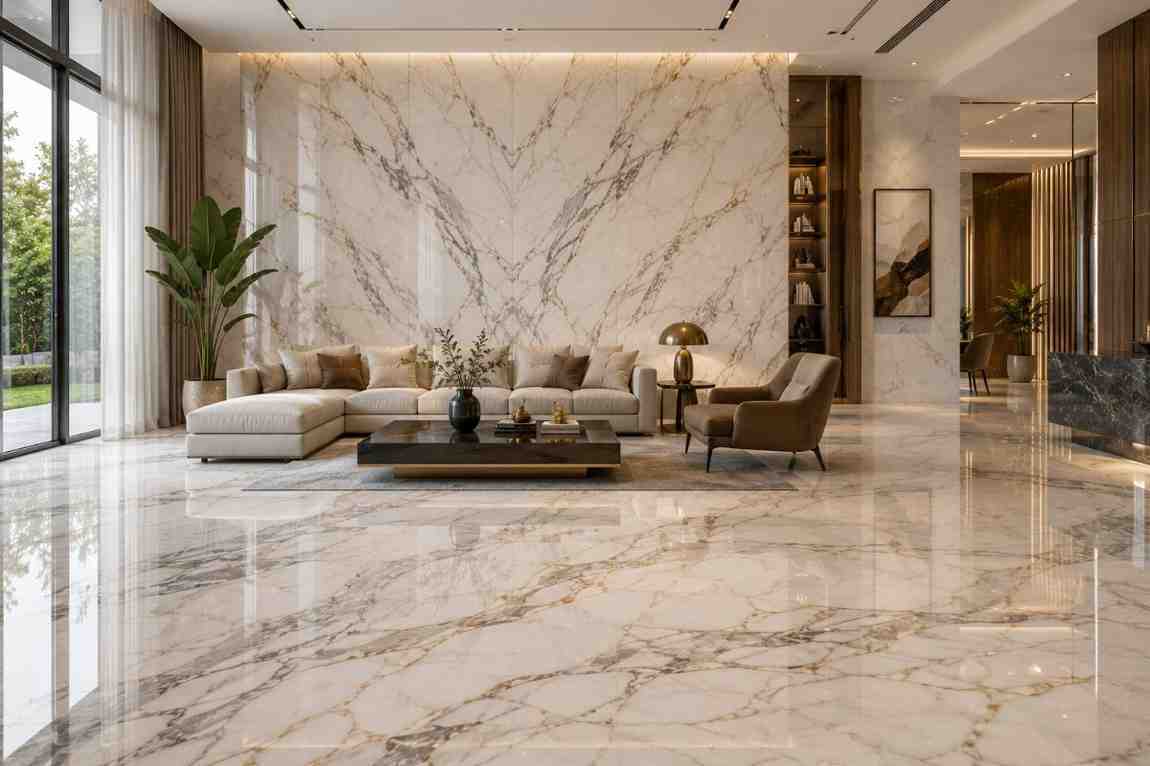
Luxury interior designers shape spaces by curating art, materials, and lighting so every detail supports a coherent narrative. This guide explains how luxury interior designers select artwork, coordinate finishes, and set priorities that turn a high-end house into a polished, livable home.
Detected intent: Informational
This article presents a practical curation framework, an actionable checklist, trade-offs to consider, common mistakes, and short tips for curating art and style in luxury interiors. Includes a short scenario showing the framework in use and five core cluster questions for expanded research.
How luxury interior designers approach art curation
High-end art selection is strategic: pieces are chosen for scale, color dialogue, provenance, and how they perform under specific lighting and sightlines. The process blends design principles with collection management—ensuring artworks complement architecture, furniture, textiles, and the homeowner’s lifestyle.
ARTS curation framework: a practical model
Use the ARTS framework to standardize decisions and communicate them clearly to clients and trades.
- Assess: Evaluate room scale, natural light, traffic patterns, and focal points.
- Research: Source artists, verify provenance, and request condition reports for vintage pieces.
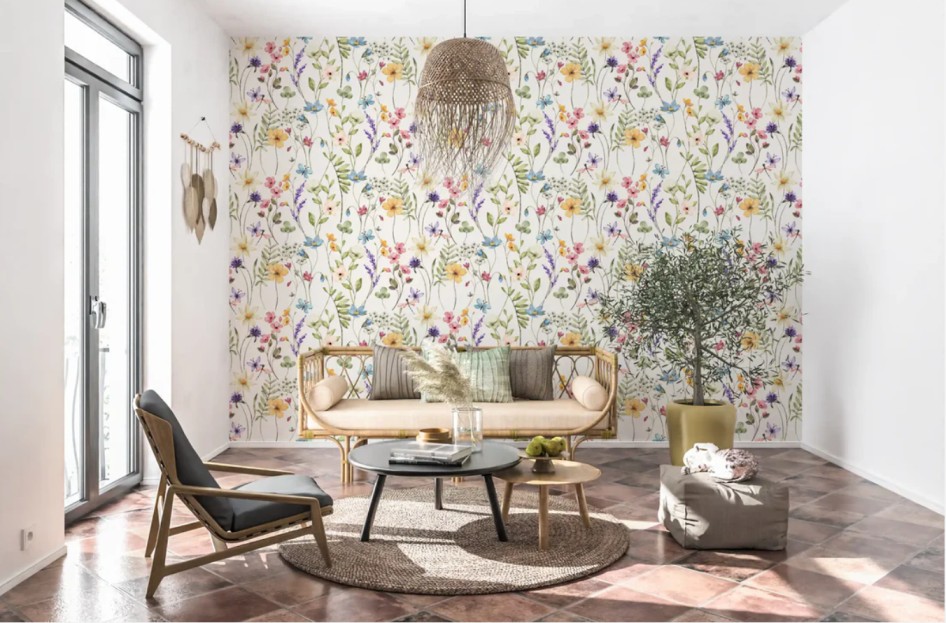
- Tie: Create visual connections with color, texture, or theme so art integrates with furnishings.
- Scale & Secure: Choose appropriate sizes, plan framing, hanging heights, and secure installation specifications.
Practical checklist for curating art and style
Follow this checklist during concept and installation phases to reduce rework and align expectations.
- Measure sightlines and note primary viewing distances.
- Define a color and texture palette tied to architectural elements.
- Decide on original vs. limited-edition prints based on budget and permanence.
- Confirm framing standards and museum‑grade glazing where needed.
- Plan lighting (CRIs, beam angles, dimming) and specify mounting hardware to code.
Real-world scenario: penthouse living room curation
An interior design team working on a city penthouse used the ARTS framework. After Assessing the 14‑foot ceilings and panoramic views, Research identified an abstract painting with a deep-blue field to anchor the living area. To Tie the palette, cushions and a hand-knotted rug echoed subtle accents from the painting. Scale & Secure decisions dictated a 6‑foot-wide format hung at gallery height and protected with non‑reflective glazing. Outcome: a cohesive focal wall that reads at both close range and across the room.
Practical tips for high-end interior styling and art selection
These tips narrow common choices and speed decision cycles for high-end interior styling.
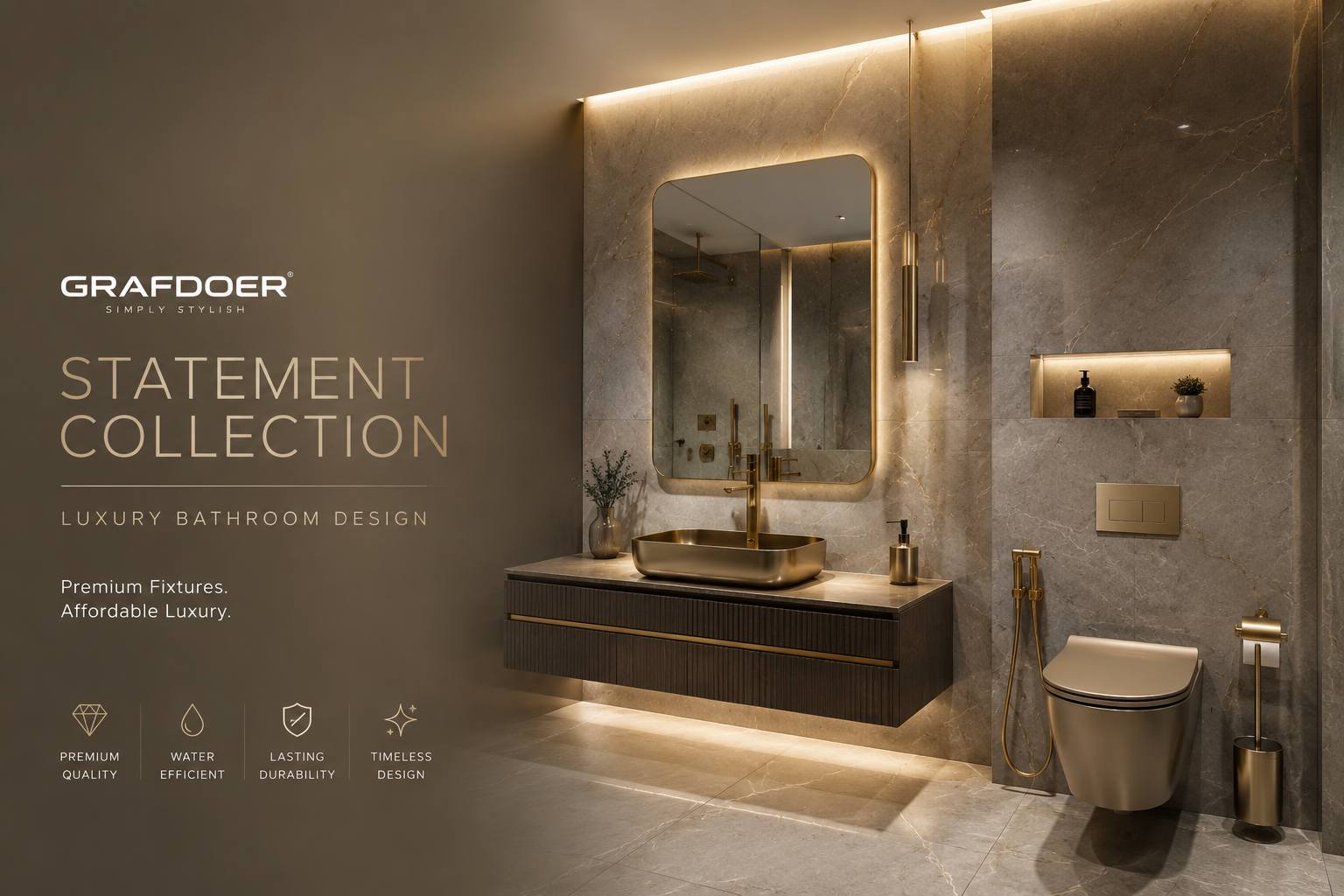
- Prioritize quality lighting: a complete lighting plan frequently has more impact than swapping artworks.
- Start with one major piece per room and build supporting elements around it rather than assembling everything at once.
- Document dimensions and finish samples in a shared room file to prevent mismatched deliveries.
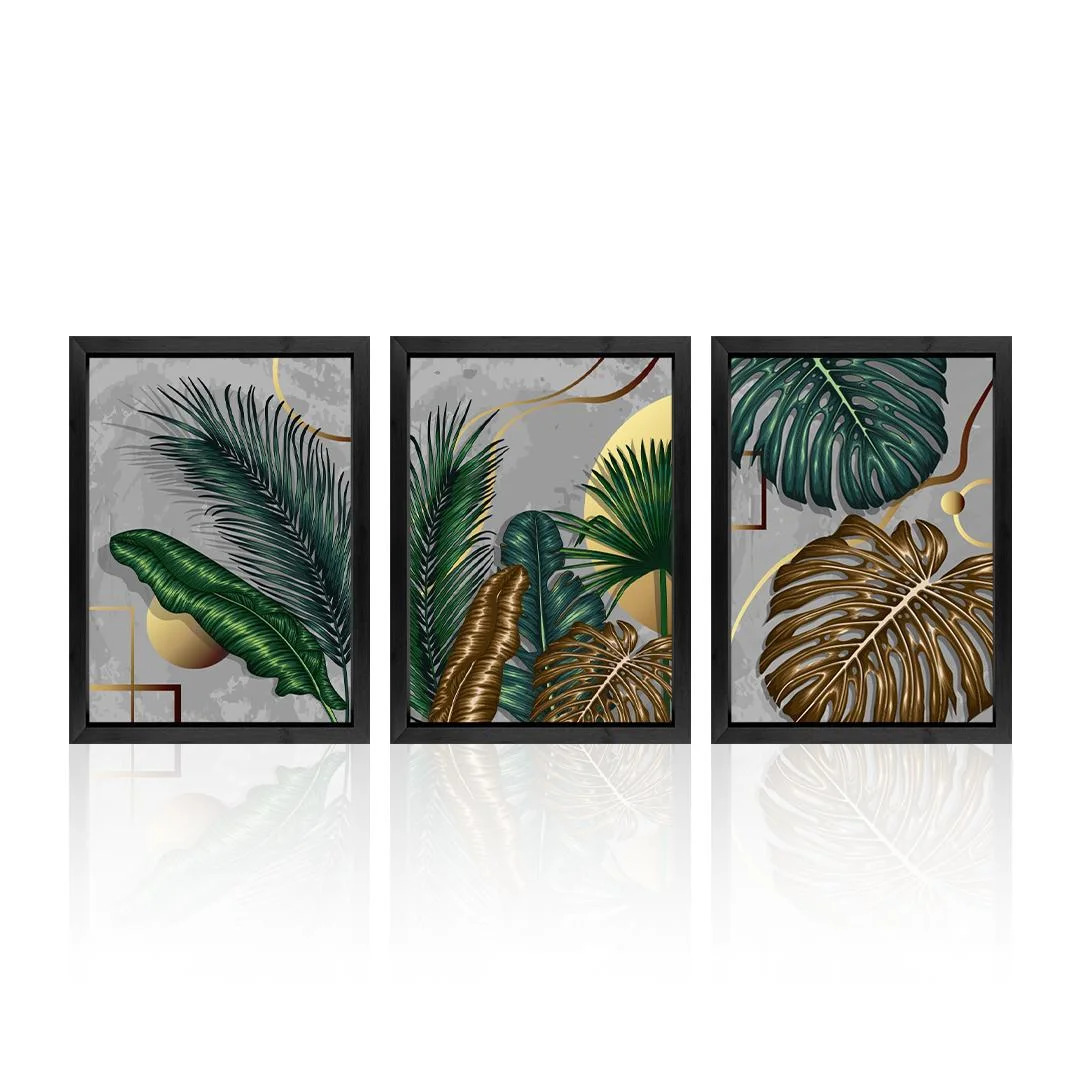
- Use neutral framing for multi-piece installations to unify diverse works while preserving individuality.
Trade-offs and common mistakes
Trade-offs to consider
Budget vs. permanence: original works and museum framing increase longevity but also cost. Bold, large pieces create strong statements but can limit future flexibility. Custom lighting improves presentation but adds upfront expense and maintenance needs.
Common mistakes
- Neglecting scale—selecting art too small for a large wall makes a space feel under-designed.
- Ignoring daylight and UV exposure—textiles and paper-based media degrade without protective glazing or controlled light levels.
- Skipping installation specs—insufficient mounting hardware risks damage and liability, especially in multi-story or rental properties.
Core cluster questions
These questions reflect typical searches and can be used for related content or internal links.
- How to choose art that fits modern luxury interiors?
- What lighting is best for displaying paintings in high-end homes?
- How do designers balance contemporary art with classic architecture?
- What are museum-grade framing standards for residential projects?
- How to plan an art budget for a full-home renovation?
Standards, conservation, and resources
Follow established conservation and installation standards for long-term care. Professional organizations such as the American Society of Interior Designers provide guidelines on professional practice and ethical standards for procurement and client documentation. See ASID resources for best-practice statements and credentialing information: ASID.
Final notes: integrating art into a lasting program
A consistent process—documented with the ARTS framework and the checklist above—reduces surprises and preserves design intent. Regularly review lighting, environmental conditions, and wear patterns to adapt the program as the home is lived in.
FAQ: What do luxury interior designers charge for art procurement?
Fees vary widely by region, experience, and scope; common models include a flat procurement fee, a percentage of the artwork cost, or hourly design time. Clear scopes and contracts prevent misunderstandings.
FAQ: How do luxury interior designers ensure artwork is authentic and safe?
Verification steps include provenance checks, seller references, condition reports, and, when necessary, independent appraisals or conservation assessments before purchase.
FAQ: Can luxury interior designers handle international shipping and customs?
Yes—many firms coordinate packing, crating, insurance, customs documentation, and accredited shippers experienced with fine art logistics.
FAQ: Do luxury interior designers buy art for resale later?
Some design firms maintain relationships with galleries and collectors to source pieces that retain market value, but resale is typically a separate transaction requiring clear client agreements.
FAQ: How do luxury interior designers select art for different rooms?
Selection depends on function, traffic, lighting, and desired mood: durable media and protective glazing suit high-traffic zones, while private rooms can host delicate or intimate pieces chosen for personal resonance.
Related Posts