Practical Steps to Manage Social Anxiety and Build Confidence
-

- February 23rd, 2026
- 1,546 views

FREE SEO Topical Map Generator: Find Your Next Content Ideas
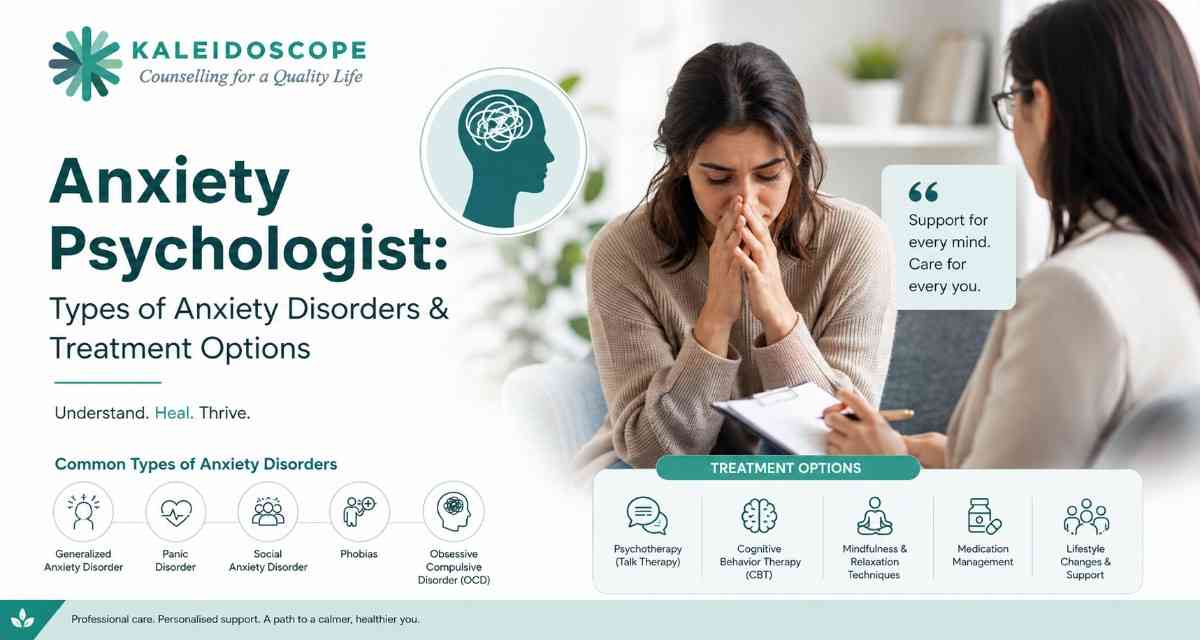
Social anxiety affects how people experience social interactions and can make everyday situations feel stressful or overwhelming. This article outlines practical, evidence-informed approaches to manage social anxiety, reduce avoidance, and build confidence in social circumstances.
- Social anxiety is a common anxiety disorder that can be managed with practical strategies and professional support.
- Self-help techniques include breathing, cognitive reframing, graded exposure, and social skill practice.
- Consider evidence-based treatments such as cognitive behavioral therapy (CBT) and consult a licensed clinician if symptoms interfere with daily life.
Social anxiety: Practical strategies for everyday situations
Understand what social anxiety involves
Social anxiety often involves intense fear of negative evaluation, avoidance of social situations, and physical symptoms such as rapid heartbeat or sweating. Clinically, persistent and impairing social fear may be diagnosed as social anxiety disorder in manuals such as the DSM-5. Prevalence and recommended approaches are described by mental health organizations including the American Psychological Association (APA) and national health services.
Short-term coping techniques
- Breathing and grounding: Slow diaphragmatic breathing and grounding exercises can reduce acute symptoms of anxiety and help restore focus.
- Muscle relaxation: Progressive muscle relaxation can lower physical tension that often accompanies anxiety.
- Self-talk and cognitive reframing: Identify unhelpful thoughts (for example, overestimating negative judgment) and practice balanced, realistic alternatives.
Preparing for social situations
- Set realistic goals: Define small, measurable objectives for interactions (e.g., ask one question at a meeting).
- Role-play and rehearsal: Practicing conversations or presentations with a trusted person or mirror can increase readiness.
- Plan exit strategies: Having a simple plan to step away briefly (a short break or restroom visit) can reduce worry about getting overwhelmed.
Building confidence through graded exposure and skills practice
Graded exposure
Gradual, systematic exposure to feared social situations—starting with lower-stress tasks and progressing to more challenging ones—can reduce avoidance and increase confidence. Track progress, set achievable steps, and repeat exposures until anxiety lessens. This approach is a core technique in cognitive behavioral therapy (CBT) and exposure therapy.
Social skills and assertiveness training
Practicing conversational skills, nonverbal communication, and assertive responses can address practical barriers to social ease. Structured practice in low-pressure settings helps transfer skills to real-world interactions.
Using routine and lifestyle supports
Regular sleep, physical activity, and limiting stimulants (such as excessive caffeine) can influence baseline anxiety levels. Mindfulness and stress-management habits may also support emotional regulation over time.
When to seek professional support
Signs that professional help may be useful
Consider consulting a licensed mental health professional if social anxiety consistently interferes with work, school, relationships, or daily activities. Clinicians can assess the severity of symptoms, provide evidence-based treatments like CBT or, when appropriate, discuss other options.
Trusted sources and treatment guidelines
Clinical guidelines and information from established organizations can inform decisions about care. For authoritative guidance on anxiety and treatment options, consult resources from professional bodies such as the American Psychological Association (APA on social anxiety disorder).
Practical exercises to try
Simple exposure plan
- List social situations ranked from least to most anxiety-provoking.
- Select the lowest item and plan a brief exposure (5–15 minutes).
- Use coping techniques (breathing, grounding) during the exposure and note changes in anxiety.
- Repeat until the situation feels less distressing, then proceed to the next step.
Thought record
Use a brief worksheet to note the situation, automatic thoughts, emotions, physical sensations, and an alternative balanced thought. Repeating this practice can help weaken unhelpful thinking patterns over time.
Safety and limitations
Not medical advice
The information in this article is educational and does not replace individualized assessment by a qualified professional. For diagnosis, treatment recommendations, or urgent concerns—especially if there is risk of self-harm—contact a licensed clinician or local emergency services.
Accessibility and adaptation
Adapt strategies to fit individual needs, cultural contexts, and accessibility requirements. Some techniques may work better for certain people; a clinician can help tailor approaches.
FAQ
What is social anxiety?
Social anxiety refers to fear or worry about social situations where scrutiny by others is possible. When persistent and impairing, it may meet criteria for social anxiety disorder. Common features include fear of embarrassment, avoidance of social activities, and physical symptoms such as trembling or sweating.
How can one manage social anxiety in the moment?
Immediate strategies include slow breathing, grounding exercises, brief distraction, and using prepared conversational prompts. Focusing on the present task rather than predicting negative outcomes can reduce escalation of worry.
When should a person seek professional help for social anxiety?
Seek professional support if anxiety significantly limits daily functioning, education, work, or relationships, or if symptoms persist despite self-help efforts. A licensed mental health provider can offer assessment and evidence-based interventions such as cognitive behavioral therapy.
Are medications used for social anxiety?
Some medications may be considered in clinical settings for social anxiety disorder, typically discussed by a psychiatrist or primary care clinician as part of a treatment plan. Medication decisions should be individualized and guided by a qualified prescriber.
What resources provide trusted information about social anxiety?
Authoritative organizations such as the American Psychological Association and national health services publish information and guidance on anxiety disorders, including social anxiety. Local mental health services and licensed clinicians are also reliable points of contact.