Montessori Education in Surrey: Supporting Toddler Development and Early Learning
-
- Published Updated
- 1,536 views
Montessori education in Surrey provides a child-centered approach that supports toddler development across social, emotional, cognitive, language, and motor domains. This overview describes Montessori principles used with toddlers, typical activities and materials, what families can expect from qualified early childhood educators, and how local regulation and program quality intersect in the Surrey area.
- Montessori for toddlers emphasizes independence through practical life activities, sensorial materials, and a prepared environment.
- Common developmental benefits include improved fine motor control, emerging language, sustained concentration, and social skills.
- Families should look for trained educators, appropriate child-to-adult ratios, clear routines, and compliance with provincial child-care licensing.
Montessori education in Surrey: core features for toddler development
Principles of the Montessori method
The Montessori approach is based on observation of the child, respect for individual learning paces, and a prepared environment that encourages exploration. For toddlers (typically ages 18 months to 3 years), emphasis is on sensitive periods for order, language, and movement. Activities are designed to be hands-on and self-correcting, helping children develop concentration and independence.
Prepared environment and materials
Classrooms contain low shelves with open-access materials scaled to toddler size. Practical life activities (pouring, dressing frames, sweeping) build coordination and self-care. Sensorial materials introduce concepts such as texture, size, and shape, laying groundwork for later cognitive learning. Materials often encourage one-skill-at-a-time practice, promoting mastery and confidence.
Typical developmental areas supported
Practical life and fine motor skills
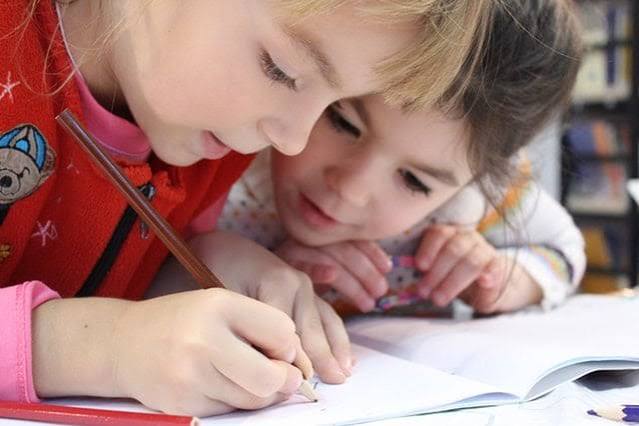
Practical life exercises strengthen hand-eye coordination and bilateral movement. Repeated, meaningful tasks like using tongs, spooning, or buttoning develop fine motor control that supports handwriting and self-help abilities.
Sensorial learning and cognitive foundations
Sensorial materials help toddlers discriminate qualities (size, color, texture) and form the basis for later math and science understanding. Emphasis on sequencing and sorting supports early problem-solving and classification skills.
Language and communication
Montessori classrooms promote spoken language through rich vocabulary, object naming, and one-on-one interaction. Activities that pair words with objects and routines encourage receptive and expressive language growth during critical early years.
Social-emotional development
Mixed-age groupings and consistent routines help toddlers learn social rules, take turns, and develop empathy. Educators observe and gently guide conflict resolution, encouraging children to use words and practical strategies rather than reacting impulsively.
Gross motor skills
Indoor and outdoor movement opportunities support balance, coordination, and spatial awareness. Activities such as climbing, carrying trays, or pouring water integrate motor planning with cognitive focus.
Role of educators, caregivers, and regulation
Observation and individualized support
Qualified early childhood educators observe toddlers to identify sensitive periods and tailor activities. The role is to prepare the environment, introduce materials, and step back to allow concentrated work while ensuring safety and emotional support.
Training and credentials
Look for educators with recognized Montessori training for early childhood, combined with provincial early childhood education credentials. Training that covers child development, classroom management, and health and safety is relevant to quality classroom practice.
Local regulation and safety
Licensed child-care programs in British Columbia must meet provincial standards for staffing ratios, health and safety, and reporting. Families can review licensing requirements and find resources through the provincial government. For official information on child-care licensing and requirements, consult the Government of British Columbia - Early learning and child care.
Choosing a Montessori program in Surrey: practical checks for families
Visit the classroom
Observe whether materials are accessible and sized for toddlers, whether activities encourage independence, and whether children show focused engagement. Notice routines around meals, rest, and transitions that support a predictable daily rhythm.
Ask about ratios, routines, and communication
Inquire about child-to-adult ratios, how educators monitor progress, and how families receive updates. Clear communication practices—daily reports, observation notes, or regular meetings—help align home and school expectations.
Look for respectful guidance and safe boundaries
Montessori classrooms balance freedom with limits: children choose activities within a structured environment. Educators should intervene to teach conflict resolution and safety while allowing children space to practice skills.
Evidence and outcomes
Research context
Peer-reviewed studies of Montessori programs show associations with improved academic readiness, executive function, and social-emotional skills in early years. Outcomes vary by program quality, fidelity to Montessori principles, educator training, and family engagement.
What to expect long term
Consistent exposure to a supportive, prepared environment can foster curiosity, concentration, and practical independence that contribute to later school success. Program quality and alignment with a child’s temperament influence individual trajectories.
Further resources
Families interested in deeper research can consult academic journals on early childhood education and reports from education departments or recognized child development centers for summaries of outcomes and methodologies.
Frequently asked questions
What is the difference between Montessori education in Surrey and other toddler programs?
Montessori emphasizes a prepared environment, self-directed activity, and materials that isolate skills. Other toddler programs may rely more on teacher-directed activities, group circle times, or play-based curricula with different emphases on structure and independence.
How does a Montessori toddler classroom support language development?
Language development is supported through one-on-one interactions, labeling of objects, narrative routines, and vocabulary-rich activities that pair words with concrete experiences and manipulatives.
How can families verify that a Montessori program follows best practices?
Visit classrooms, ask about educator training, check licensing and inspection records, and observe how children interact with materials and each other. Look for evidence of a consistent routine, accessible materials, and respectful adult-child interactions.
Is Montessori suitable for every toddler?
Montessori principles can benefit many toddlers, but suitability depends on individual temperament, family priorities, and program quality. Families are encouraged to observe multiple programs to find the best fit for a child’s needs and family values.