Nafran Valley vs Tarsar Marsar Trek: Complete Comparison Guide (2025)
-
- April 15th, 2026
- 7,836 views
By a Kashmir trekking enthusiast with 6+ years of Himalayan trail experience
If you're planning a trek in Kashmir and torn between two of its most rewarding routes — Nafran Valley and Tarsar Marsar — you're not alone. Both sit within the Great Himalayan Range, both deliver jaw-dropping scenery, and yet they offer fundamentally different experiences. One is a hidden gem barely touched by tourism; the other is a celebrated classic with iconic alpine lakes. This guide breaks down everything you need to make the right call for your fitness level, budget, and trekking style.
Trek Overview: Quick Comparison Table
| Feature | Nafran Valley | Tarsar Marsar |
|---|---|---|
| Location | Aru Valley, Pahalgam, Kashmir | Aru Valley, Pahalgam, Kashmir |
| Duration | 4–5 days | 6–7 days |
| Total Distance | ~35–40 km | ~45–50 km |
| Difficulty Level | Moderate | Moderate to Difficult |
| Maximum Altitude | ~4,100 m (13,451 ft) | ~4,550 m (14,927 ft) |
| Best Time to Visit | July – September | July – September |
| Crowd Level | Very Low (Offbeat) | Moderate to High |
| Camping Style | Valley meadow camping | Lakeside camping |
| Permit Required | Yes (forest permit) | Yes (forest permit) |
| Starting Point | Aru Village, Pahalgam | Aru Village, Pahalgam |
Landscape & Scenery
Nafran Valley
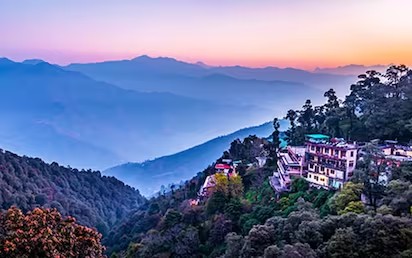
Nafran Valley is Kashmir's best-kept secret. The trail winds through dense conifer forests, crossing glacial streams before opening into vast, untouched alpine meadows locally called margs. The valley is flanked by dramatic ridgelines that rarely appear in travel magazines — which is precisely the point.
What you won't find here is Instagram-famous scenery. What you will find is the raw, unfiltered wilderness of the Kashmir Himalaya: wildflower carpets in July and August, grazing horses from local Gujjar nomads, and skies so clear they feel personal. The terrain has a quiet, meditative quality that experienced trekkers increasingly value over spectacle.
Key landscape highlights:
- Dense Himalayan fir and pine forests on the lower trail
- Vast open meadows at higher elevation with Himalayan views
- Glacial streams and waterfalls throughout the route
- Rare wildlife sightings including Himalayan brown bear tracks
Tarsar Marsar
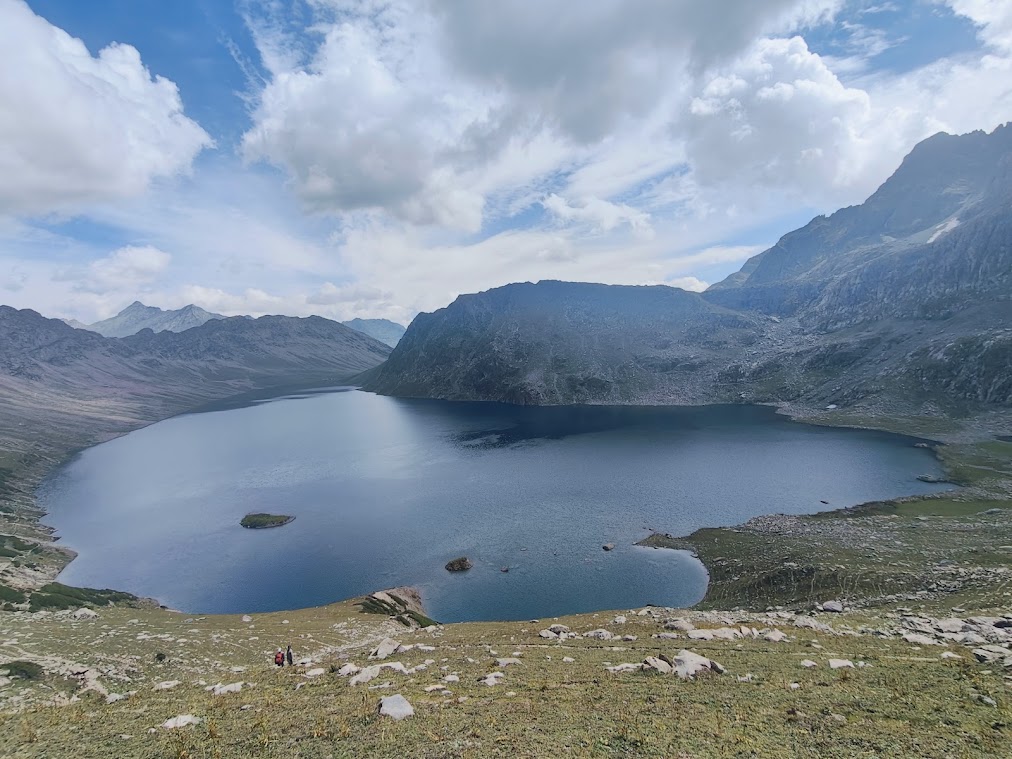
Tarsar Marsar earns its fame honestly. The twin alpine lakes — Tarsar and Marsar — are among the most visually striking in the entire Kashmir Himalaya. Tarsar is a tear-drop shaped lake at around 3,914 m, surrounded by steep peaks that drop directly into its still, turquoise waters. Marsar, higher and more remote, has an almost mystical quality that rewards the extra effort.
The trail passes through the famous Kolahoi Glacier region, lush meadows of Shekdur and Sundersar, and high passes with panoramic views of Kolahoi peak (5,425 m). This is the kind of scenery that ends up on trekking brochures — and for good reason.
Key landscape highlights:
- Twin alpine lakes: Tarsar and Marsar
- Panoramic views of Kolahoi — Kashmir's highest accessible peak
- Shekdur meadows with reflective lake views
- High-altitude passes with 360° Himalayan panoramas
Difficulty Level Comparison
Terrain Differences
Nafran Valley follows relatively forgiving terrain. The elevation gain is gradual, the trail is well-paced, and most ascents are distributed across multiple days. There are no technical sections, though river crossings in July can be challenging due to snowmelt.
Tarsar Marsar has a higher cumulative elevation gain and includes steep, rocky ascents — particularly around the Tarsar pass and while navigating between the two lakes. The section from Tarsar to Marsar involves loose scree and requires good footing. Weather changes faster at higher elevations on this route.
Altitude Gain Comparison
| Nafran Valley | Tarsar Marsar | |
|---|---|---|
| Starting altitude | ~2,400 m | ~2,400 m |
| Maximum altitude | ~4,100 m | ~4,550 m |
| Total altitude gain | ~1,700 m | ~2,150 m |
| Steepest day gain | ~700 m | ~900 m |
Fitness Requirements
Nafran Valley suits trekkers with moderate fitness. If you can manage 5–7 km of walking with a daypack at low altitude, you can build up to this trail with 3–4 weeks of cardio preparation.
Tarsar Marsar requires a solid aerobic base. You should be comfortable walking 10–14 km per day with a loaded pack. Prior high-altitude experience above 3,500 m is highly recommended.
Who Should Choose Which Trek
Choose Nafran Valley if:
- You're trekking in the Himalayas for the first time
- You prefer solitude and offbeat routes
- You have 4–5 days available
- You want moderate difficulty without technical challenges
Choose Tarsar Marsar if:
- You have prior trekking experience above 3,500 m
- Scenic alpine lakes are your primary draw
- You're comfortable with steeper terrain and longer days
- You want the "classic Kashmir" trekking experience
Best Time to Visit
Both treks share the same general season — July through September — but they behave differently within that window.
Nafran Valley
| Month | Conditions |
|---|---|
| July | Snow patches still visible; rivers high from snowmelt; wildflowers beginning |
| August | Peak season; meadows fully green; best weather window |
| September | Cooler nights; fewer crowds; golden grasses on ridgelines |
July is best for wildflowers and snow-capped vistas. August is the sweet spot for most trekkers. September brings crisp, clear air and significantly fewer people on the trail.
Tarsar Marsar
| Month | Conditions |
|---|---|
| July | Lakes may still have ice patches; some passes tricky with snow |
| August | Ideal; lakes fully clear; trails stable; best photography |
| September | Very good; fewer trekkers; colder but clear skies |
Tarsar Marsar is best done in mid-July through August. Early July can mean icy lake edges and snow-covered passes that require extra caution.
Crowd & Experience
Nafran Valley: The Offbeat Choice
Nafran Valley sees a fraction of the footfall that Tarsar Marsar gets — even during peak season, you may encounter only a handful of other trekking groups on the entire route. This makes it an ideal choice for:
- Solo trekkers who value reflection and quiet
- Photographers looking for undisturbed landscapes
- Experienced trekkers bored of well-worn routes
- Anyone who wants to feel genuinely away from it all
The flipside is that trail markers are sparse, guide dependency is higher, and infrastructure (emergency support, resupply) is more limited.
Tarsar Marsar: The Social Trail
Tarsar Marsar is one of Kashmir's most popular multi-day treks, and it shows. During August, you'll share campsites with other groups — but the communal atmosphere at lakeside camps is part of the appeal for many trekkers. Campfire conversations, shared weather anxiety before a high pass, and the collective awe at first light over Tarsar are experiences that stay with you.
Better trail infrastructure also means more safety nets: emergency evacuation is more practiced, guides are experienced with the route, and campsites are well-established.
Camping Experience
Nafran Valley: Valley Meadow Camping
Camping in Nafran is wild in the best sense. Pitching a tent in a high meadow, with nothing but peaks above and forest below, is a genuinely remote experience. There are no permanent camp setups — your team brings everything, and you leave without a trace.
Best campsites: Nafran meadow and upper valley sites offer the most dramatic backdrops, with close-up ridge views and excellent stargazing due to minimal light pollution.
Tarsar Marsar: Lakeside Camping
There are few camping experiences in the Western Himalayas as memorable as waking up to Tarsar Lake at dawn — still water mirroring pink peaks, total silence except for distant waterfowl. The lakeside camps here have hosted generations of trekkers, and the sites are well-located and relatively level.
Best campsites: Tarsar lake rim (evening light is extraordinary), Shekdur meadow (panoramic views, sheltered), and Sundersar (quieter alternative between the two lakes).
Cost Comparison
Nafran Valley
| Expense | Estimated Cost (INR) |
|---|---|
| Guide + Porter (4–5 days) | ₹5,000 – ₹8,000 |
| Camping equipment rental | ₹1,500 – ₹2,500 |
| Food & provisions | ₹2,000 – ₹3,500 |
| Transport (Pahalgam + local) | ₹800 – ₹1,500 |
| Forest permit | ₹300 – ₹500 |
| Total (self-organized) | ₹9,600 – ₹16,000 |
| Organized tour package | ₹12,000 – ₹18,000 |
Tarsar Marsar
| Expense | Estimated Cost (INR) |
|---|---|
| Guide + Porter (6–7 days) | ₹8,000 – ₹14,000 |
| Camping equipment rental | ₹2,500 – ₹4,000 |
| Food & provisions | ₹3,500 – ₹5,000 |
| Transport (Pahalgam + local) | ₹800 – ₹1,500 |
| Forest permit | ₹300 – ₹500 |
| Total (self-organized) | ₹15,100 – ₹25,000 |
| Organized tour package | ₹18,000 – ₹28,000 |
Note: Prices vary by season, group size, and operator. Organized packages from reputable Kashmir trekking operators often include all meals, camping gear, guide, and transport from Pahalgam.
Value for Money
Nafran Valley offers exceptional value — lower cost, fewer crowds, and a genuinely wild experience. Tarsar Marsar costs more but delivers iconic scenery and better infrastructure. Neither is overpriced for what it delivers.
Safety & Accessibility
Trail Markings
Nafran Valley has minimal signage. A local guide is not optional — it's essential. The trail forks at several points and conditions change with altitude and season.
Tarsar Marsar is better marked and more frequently guided, but high-altitude sections — especially between the two lakes — still require experienced navigation.
Emergency Support
Nafran Valley: Basic emergency evacuation is possible via horse from lower meadows. No mobile signal for most of the route. Carry a satellite communicator if trekking with small groups.
Tarsar Marsar: Better-established evacuation routes and more active guide networks mean faster emergency response. Partial mobile signal at some high points.
Accessibility from Base
Both treks begin from Aru Village, about 11 km from Pahalgam. Pahalgam is well-connected by road to Srinagar (approximately 3–3.5 hours). Srinagar has regular flights from Delhi, Mumbai, and other major cities.
Which Trek Should You Choose?
For Beginners
→ Nafran Valley. Lower altitude, gentler terrain, shorter duration. An excellent introduction to Himalayan trekking without the intimidation of high passes or altitude sickness risk.
For Experienced Trekkers
→ Tarsar Marsar (if you've done moderate Himalayan treks); Nafran Valley if you specifically want an offbeat, unmarked trail challenge.
For Photographers
→ Tarsar Marsar — the lake reflections, high passes, and Kolahoi backdrop are exceptional. However, Nafran offers genuinely unspoiled landscapes that Tarsar's popularity has slightly eroded.
For Solitude Seekers
→ Nafran Valley, unambiguously. This is one of the least-trekked routes in Kashmir's popular trekking belt.
For First-Time Kashmir Trekkers
→ Tarsar Marsar. It's the quintessential Kashmir alpine experience, and the better infrastructure makes for a more supportive introduction to the region.
Expert Tips
Packing Essentials (Both Treks)
- Layered clothing system: base layer, fleece mid-layer, waterproof shell
- Trekking poles (essential for river crossings and scree on Tarsar Marsar)
- Sleeping bag rated to at least -5°C
- Water purification tablets or filter (all water sources at altitude)
- High-SPF sunscreen and UV-protection sunglasses
- First aid kit with altitude sickness medication (Diamox — consult a doctor before your trek)
- Headlamp with spare batteries
- Dry bags for electronics and documents
Acclimatization Tips
- Spend at least one full day in Pahalgam (2,740 m) before starting either trek
- Follow the cardinal rule: climb high, sleep low on acclimatization days
- Watch for symptoms of Acute Mountain Sickness (AMS): persistent headache, nausea, loss of appetite, dizziness
- Descend immediately if symptoms worsen overnight — do not push through AMS
Fitness Preparation
Begin training at least 6–8 weeks before your trek:
- Cardiovascular base: 30–45 minutes of brisk walking, jogging, cycling, or swimming, 4–5 days per week
- Leg strength: Stair climbing with a weighted pack is the most trek-specific training available
- Altitude simulation: Trekking at altitude above 3,000 m before your main trek is ideal preparation
- Core strength: A stable core dramatically reduces fatigue on uneven terrain
Real Trekking Insights
The single biggest mistake trekkers make on both routes is underestimating the cold at altitude. Even in August, temperatures above 4,000 m can drop to 0°C or below at night. A warm sleeping bag is not optional. The second biggest mistake is rushing acclimatization — the mountains aren't going anywhere, and your body needs time.
On Nafran Valley specifically: hire a guide from Aru Village rather than booking one from Pahalgam — local Aru guides have far more intimate trail knowledge. On Tarsar Marsar: start early each day — afternoon thunderstorms are common in August, and you want to be in camp by 2 PM.
FAQs
Is Nafran Valley harder than Tarsar Marsar? No. Nafran Valley is generally considered the easier of the two. It has a lower maximum altitude, less cumulative elevation gain, and no technical high-altitude passes. Tarsar Marsar involves steeper terrain, higher passes, and a longer duration, making it the more physically demanding option.
Which trek is more scenic? This depends on your definition of "scenic." Tarsar Marsar offers more dramatic, postcard-worthy scenery — particularly the iconic twin lakes and Kolahoi views. Nafran Valley is subtler but deeply beautiful — vast meadows, untouched wilderness, and dramatic ridgelines without the crowds. Experienced trekkers often find Nafran's rawness more compelling.
Which trek is better for beginners? Nafran Valley is the clear choice for beginners. The lower altitude, shorter duration, and more forgiving terrain make it an ideal first Himalayan trek. Tarsar Marsar is better suited to trekkers who have prior experience above 3,500 m.
What is the cost difference? On average, Tarsar Marsar costs 40–60% more than Nafran Valley, primarily due to its longer duration and better-known status (which drives up guide and package pricing). Self-organized Nafran Valley treks can cost as little as ₹10,000–₹12,000, while Tarsar Marsar packages typically start around ₹18,000.
Do I need permits for both treks? Yes. Both treks require a forest permit, which is typically arranged by your guide or tour operator through the local forest department in Pahalgam. Costs are modest (₹300–₹500), but the process takes time — handle this on arrival in Pahalgam.
Can I do either trek without a guide? On Tarsar Marsar, experienced trekkers with strong navigation skills and prior Kashmir trail experience can manage with a good topographic map — though a guide is still strongly recommended. On Nafran Valley, a local guide is essentially mandatory due to poor trail marking.
Final Verdict
| Trekker Profile | Recommended Trek |
|---|---|
| First-time Himalayan trekker | ✅ Nafran Valley |
| Intermediate trekker | ✅ Tarsar Marsar |
| Solitude & offbeat seeker | ✅ Nafran Valley |
| Lake & iconic scenery lover | ✅ Tarsar Marsar |
| Budget-conscious trekker | ✅ Nafran Valley |
| Photographer chasing iconic frames | ✅ Tarsar Marsar |
| 4–5 days available | ✅ Nafran Valley |
| 6–7 days available | ✅ Tarsar Marsar |
The bottom line: If you're after a soul-stirring, crowd-free experience in untouched Kashmir wilderness, Nafran Valley will exceed your expectations. If you want the classic Kashmir high-alpine experience complete with mirror lakes, high passes, and the full Himalayan drama — Tarsar Marsar is one of the finest moderate treks in all of India.
Both treks deserve a place on your list. If you can, do Nafran first — then return for Tarsar Marsar. You'll appreciate both far more for having done the other.
Planning your trek? Always book through registered Kashmir trekking operators, carry adequate travel insurance covering high-altitude evacuation, and register your trek details with local authorities before departure.
Primary Keyword: Nafran Valley vs Tarsar Marsar Secondary Keywords: Nafran Valley trek guide, Tarsar Marsar difficulty, which trek is better in Kashmir, Kashmir alpine trek comparison, Tarsar Marsar trek review, Nafran Valley offbeat trek Kashmir