Nano Defense Pro Reviews, Complaints, and How to Verify Claims
-

- Published Updated
- 2,480 views
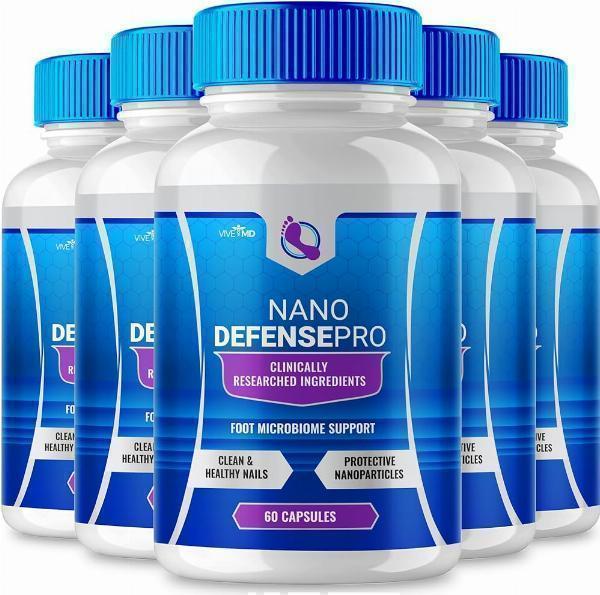
Many online buyers search for Nano Defense Pro reviews before purchasing; this article summarizes common feedback and complaints, explains how to check product claims, and lists steps consumers can take if issues arise. The goal is to present verifiable information, cite relevant regulators, and help readers evaluate reviews and safety claims without offering medical or legal advice.
- Customer feedback for Nano Defense Pro includes both positive reviews and recurring complaints about effectiveness and refunds.
- Common concerns involve unclear testing claims, inconsistent labeling, and customer service issues.
- Verify claims through independent lab reports, regulator databases, and reputable consumer-review platforms.
- File complaints with national regulators such as the U.S. Federal Trade Commission (FTC) or local consumer protection agencies when warranted.
Nano Defense Pro reviews: overview and context
Online Nano Defense Pro reviews are a mix of firsthand customer experiences, aggregated ratings, and promotional posts posted by sellers or affiliates. Reviews on retail platforms and social media often report perceived benefits, while other reviewers report no noticeable effect. Because product pages frequently include claims about testing or proprietary formulations, independent verification is important for assessing reliability.
Common complaints reported by consumers
Effectiveness and unmet expectations
One recurring theme in consumer feedback is that the product did not meet individual expectations. Descriptions typically mention a lack of observable benefit or that results varied between users. Variability in outcomes can reflect differences in user conditions, product handling, or unverified claims on packaging.
Customer service and refunds
Another common complaint concerns customer service, including difficulties obtaining refunds, delays in responses, or unclear return policies. Documentation such as transaction receipts and written communication is useful when pursuing refunds through sellers or payment providers.
Labeling, ingredients, and testing claims
Some reviewers raise questions about product labeling or assertions of third-party testing. Phrases like "clinically tested" or "lab verified" are sometimes used without links to independent reports. Consumers often expect transparent ingredient lists and accessible test reports for verification.
How to evaluate reviews and product claims
Check for independent testing and certificates
Seek independent laboratory reports or certificates of analysis from accredited labs. Independent testing, peer-reviewed research, or validation by recognized institutions provides stronger support than unverified manufacturer claims. Look for documentation that links batch numbers or dates to test results.
Assess review legitimacy
Evaluate reviews for specificity, reproducibility, and context. Detailed reviews that describe how a product was used, timing of results, and any side effects are generally more informative than short praise or generic complaints. Beware of review patterns that indicate paid or incentivized posts.
Consult regulator and consumer protection resources
Regulatory agencies can provide guidance on advertising standards, labeling requirements, and complaint procedures. For example, the U.S. Federal Trade Commission (FTC) oversees advertising claims and deceptive practices, and maintains consumer guidance on how to report issues: FTC - Consumer Information. Local consumer protection agencies and the Better Business Bureau also maintain complaint records that may clarify recurring issues.
Where to find reliable information and file complaints
Regulatory databases and public records
Check national or regional regulator databases for recalls, safety notices, or enforcement actions. For products claiming health or safety benefits, determine whether the product falls under regulations from agencies such as the U.S. Food and Drug Administration (FDA) or consumer safety commissions in other countries. Note that not all products require premarket approval; regulatory status depends on product type and claims.
Consumer reporting platforms
Independent platforms like consumer protection websites, the Better Business Bureau, and verified retailer review sections can provide additional context. Reviews should be considered alongside other evidence, such as independent testing or official notices.
Payment disputes and chargebacks
If a purchase did not match the advertised product or the seller refused a legitimate refund, payment providers and credit card companies often offer dispute resolution or chargeback processes. Document all communication, order confirmations, and tracking information to support a claim.
Best practices before purchasing
Research and documentation
Review ingredient lists, product labels, and any available lab reports. Check seller reputation, return policy, and shipping terms. When possible, consult multiple information sources rather than relying on a single set of reviews.
Protect personal and payment information
Use secure payment methods and avoid sharing unnecessary personal data. Retain confirmation emails and receipts to streamline any future disputes.
FAQ
Are Nano Defense Pro reviews reliable?
Reliability varies. Some reviews are detailed firsthand accounts while others may be promotional. Cross-check reviews with independent testing, regulatory records, and reputable consumer sites to assess trustworthiness.
What types of complaints are most common?
Common complaints include unmet expectations for effectiveness, difficulties obtaining refunds, unclear labeling, and limited access to independent test reports.
Where can consumers file complaints about a product?
File complaints with national consumer protection agencies (for example, the FTC in the United States), local consumer protection offices, the Better Business Bureau, or the seller’s payment provider. Keeping records of purchases and correspondence helps with investigations.
How can independent testing be verified?
Verified testing should include the testing laboratory's name, accreditation status, batch or lot numbers, and clear methodology. Accredited labs will often belong to recognized accreditation bodies such as ISO/IEC 17025 registries.
What should be done if a refund is denied?
Document all communications and review the seller’s published return policy. If resolution with the seller is not possible, consider contacting the payment provider for a dispute or filing a complaint with the appropriate consumer protection agency.