Natural Facial Rejuvenation: Benefits of Mesotherapy in Dubai
-

- Published Updated
- 1,447 views
Facial mesotherapy in Dubai has become an increasingly sought-after non-surgical option for people looking to improve skin hydration, tone, and texture with minimally invasive techniques. This overview explains what mesotherapy involves, common benefits, safety and regulation considerations in Dubai, expected results, and practical guidance for choosing a qualified provider.
- Facial mesotherapy delivers vitamins, antioxidants, and moisturizers into the superficial dermis to target skin quality.
- Common benefits include improved hydration, brighter tone, and reduced fine lines when performed by a trained clinician.
- Safety depends on product selection, injection technique, clinic standards, and practitioner qualifications.
- In Dubai, choose licensed facilities and confirm practitioner credentials with local health regulators.
Benefits of facial mesotherapy in Dubai
Improved skin hydration and radiance
Mesotherapy protocols for the face commonly use hyaluronic acid, vitamins (such as B-complex), antioxidants, and amino acids to help increase skin hydration and surface glow. Small, superficial injections can support the skin’s capacity to retain moisture and appear more luminous without extensive downtime.
Texture, tone, and fine line reduction
Repeated mesotherapy sessions may help refine skin texture and reduce the appearance of superficial fine lines. Effects depend on the substances used, underlying skin condition, and adherence to a recommended treatment schedule.
Customizable to individual needs
Treatment blends can be adjusted to address specific concerns such as sun-damaged skin, dullness, or early aging signs. A consultation with a licensed dermatologist or medical aesthetician helps determine an appropriate formulation and schedule.
How mesotherapy works and what to expect
Basic procedure steps
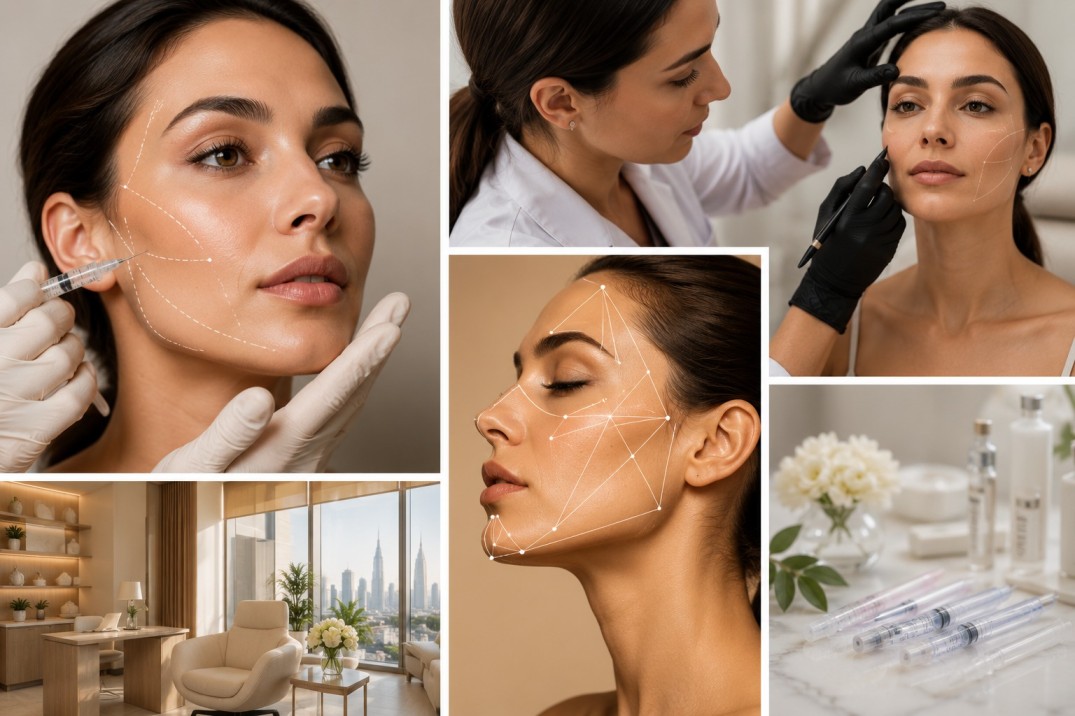
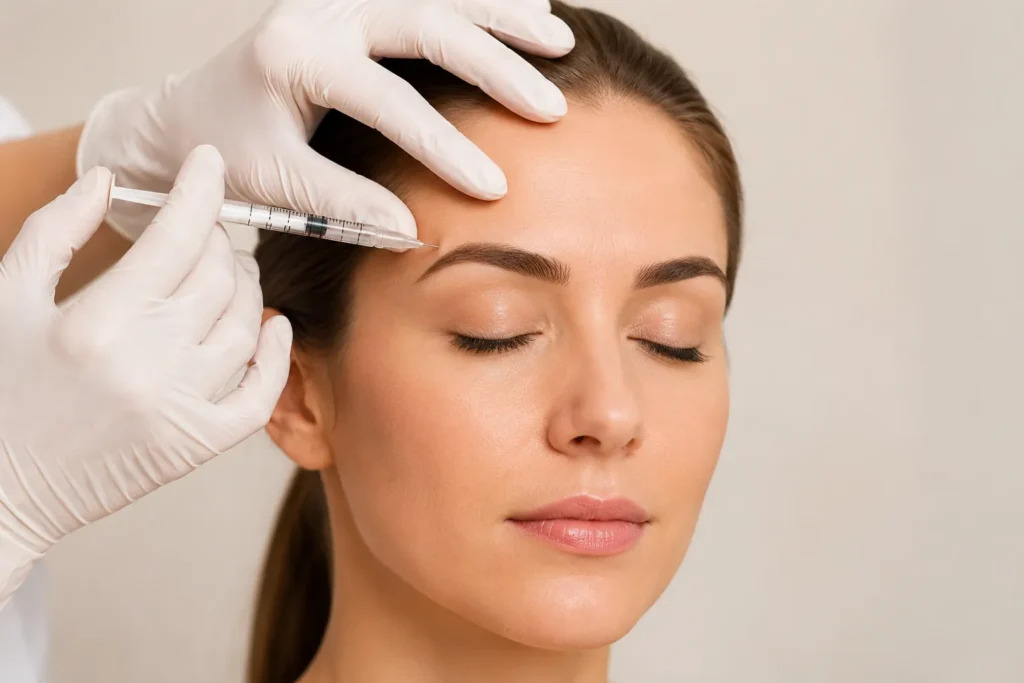
Typical sessions involve cleansing, optional topical numbing, and a series of superficial injections across target areas. Microinjections deposit small amounts of chosen solutions into the middle layer of the skin to deliver active compounds directly to the tissue.
Session length and recovery
Most sessions last 20–45 minutes. Mild redness, swelling, or pinpoint bruising may occur and typically subsides within a few days. Makeup can usually be reapplied within 24–48 hours unless advised otherwise by the provider.
Expected timeline for results
Some improvement in hydration and radiance can be noticed shortly after treatment; more substantial changes in texture or fine lines generally appear after a series of sessions spaced according to the practitioner’s plan.
Safety, regulation and choosing a provider
Regulatory context in Dubai
Cosmetic procedures in Dubai are subject to licensing and oversight by local health authorities. Confirm that clinics and practitioners hold appropriate licenses and that treatments are performed in accredited facilities. Local guidance from the Dubai Health Authority outlines standards for clinical practice and facility licensing.
For more information on licensing and approved clinic standards, consult the Dubai Health Authority: Dubai Health Authority.
Clinical qualifications and training
Look for practitioners with formal medical training in dermatology, plastic surgery, or aesthetic medicine. Evidence of specialized training in injection techniques, infection control, and product knowledge helps reduce risk. Professional societies and published clinical guidance from dermatology associations may provide additional context on best practices.
Product selection and safety
Approved formulations and sterile techniques are central to minimizing complications. Avoid clinics that use unlabelled or unapproved products. Reputable providers will explain the ingredients, intended effects, potential side effects, and aftercare requirements before treatment.
Costs and realistic expectations
Factors that affect cost
Pricing varies by clinic location, practitioner expertise, product selection, and the number of sessions required. Clinics in major urban centers may have higher fees, and customized treatment plans will affect total cost.
Setting realistic goals
Mesotherapy is most effective for surface-level concerns like hydration and subtle texture improvement. It is not a replacement for surgical procedures when deep volume restoration or significant tissue tightening is needed. Discuss realistic outcomes and alternative options with a qualified clinician.
Before and after care
Pre-treatment considerations
Disclose medical history, medications, allergies, and any prior aesthetic procedures. Follow any pre-treatment instructions provided by the clinic, which may include avoiding certain medications or supplements that increase bleeding risk.
Post-treatment care
Expect brief recovery instructions such as avoiding strenuous exercise, sun exposure, and certain skincare products for a short period. Report persistent swelling, severe pain, signs of infection, or unexpected reactions to the treating clinic promptly.
When to seek further medical attention
Persistent or worsening symptoms, spreading redness, fever, or severe tenderness warrant evaluation by a medical professional. Licensed clinics should provide clear follow-up pathways for addressing complications.
Frequently asked questions
Is facial mesotherapy in Dubai safe and regulated?
Safety depends on the clinic’s adherence to local regulations, practitioner qualifications, and use of approved products. Confirm licensing and accreditation with local health authorities and choose a provider with documented training.
How many sessions are typically needed?
Many treatment plans recommend an initial series of 3–6 sessions spaced several weeks apart, followed by maintenance sessions. The exact number depends on skin condition, goals, and the specific protocol used.
Are results permanent?
Results are generally temporary. Maintenance treatments are often needed to sustain improvements in hydration and skin texture.
Can mesotherapy be combined with other treatments?
Mesotherapy may be combined with complementary non-surgical procedures such as chemical peels or laser treatments, depending on individual skin needs. Coordination by a qualified clinician helps ensure safety and optimal timing between treatments.
For detailed guidance specific to personal health circumstances, consult a licensed medical professional or a qualified dermatologist. Official guidelines from health regulators and medical societies provide reliable information on standards of care and safety practices.