NGO Ads Playbook: Best Practices to Engage Donors and Communities
-

- Published Updated
- 966 views
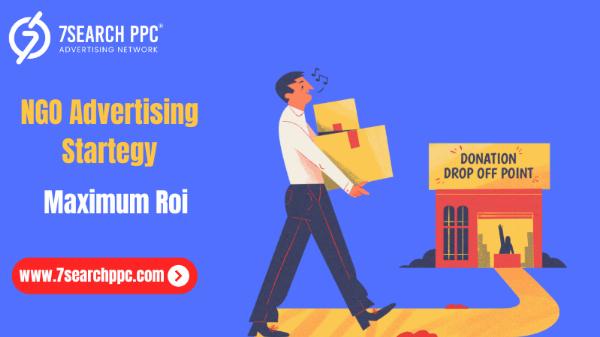
NGO ads best practices: core principles for engaging audiences
NGO ads best practices focus on clear messaging, respectful targeting, and measurable outcomes to build support and trust. This guide explains which creative, targeting, and measurement choices produce better engagement for nonprofit campaigns while staying compliant with platform rules and ethical standards.
- Use the ENGAGE framework (Empathize, Narrative, Give, Authenticity, Guide, Evaluate).
- Prioritize audience relevance, accessibility, and clear calls to action.
- Measure outcomes with a small set of KPIs: conversion rate, cost per action, engagement rate, and retention.
- Test creatives and targeting, and avoid common mistakes like vague CTAs or over-reliance on emotional imagery without context.
Detected intent: Informational
ENGAGE framework: a checklist for NGO ad campaigns
Applying a simple, repeatable model makes campaign planning faster and more consistent. The ENGAGE framework gives a compact checklist for NGO ad teams and freelancers:
- Empathize: Define the audience need or barrier. Use audience research or qualitative interviews.
- Narrative: Craft one clear story arc — problem, protagonist, impact.
- Give: State the specific action and benefit for the supporter (donate, volunteer, sign, share).
- Authenticity: Use verifiable facts, real quotes, and transparent finance or outcomes.
- Guide: Make the next step simple with an accessible landing page and clear CTA.
- Evaluate: Track a concise KPI set and iterate based on data.
Creative and messaging best practices
Keep messages specific and concrete
Ads that state a specific problem and a clear, concrete action perform better than vague appeals. Replace "Help people" with "Provide 20 meals to a family for one week." Use readable type and accessible color contrast.
Balance emotion with context
Emotional storytelling drives attention, but ethical ads pair emotion with outcomes and transparency. Include a one-line result or verification: program reach, partner organizations, or a short impact statistic.
Targeting, platforms, and budgets
Match audience intent to ad format
Use awareness ads to build recognition and conversion-focused ads with clear CTAs for donation or sign-up. For donor acquisition, prioritize channels where supporters already research causes. For compliance and measurement guidance, consult industry standards such as the IAB ad standards IAB.
Budget trade-offs
Higher reach vs. deeper engagement is a common trade-off. Smaller budgets focused on narrow, high-intent audiences often yield lower cost per acquisition but slower reach. Broader targeting accelerates list growth but increases the need for retargeting to convert.
Measurement: KPIs that matter
Limit KPIs to a short list tied to program goals. Typical NGO ad metrics include:
- Conversion rate (donation form completions, signups)
- Cost per action (CPA)
- Engagement rate (clicks, shares, comments relative to impressions)
- Retention or repeat support rate
Practical tips for immediate improvement
- Run A/B tests for one variable at a time (headline, image, CTA) to get reliable learning.
- Use short landing flows: 1–2 fields for low-friction actions; expand only after initial engagement.
- Segment audiences by intent: cold (awareness), warm (consideration), and hot (ready to act) and match creative to each stage.
- Ensure accessibility: include alt text, readable fonts, and captions on video to widen reach and compliance.
Common mistakes and trade-offs
Overemphasizing shock without solution
Graphic or shocking imagery can drive clicks but may reduce donations if it feels exploitative. Pair urgency with a clear solution and evidence of impact.
Too many CTAs
Multiple competing CTAs dilute effectiveness. Choose one measurable action per ad and route other options from the landing page.
Real-world example: small NGO recruit campaign
A community health NGO tested two Facebook ad sets to recruit volunteers. One set used a general CTA "Get Involved" and a stock image; the second used a local volunteer story, a photo of a named volunteer, and the CTA "Sign up for a 3-hour clinic shift." The story-driven creative produced a 3x higher sign-up rate at a similar CPA. The team used the ENGAGE checklist to replicate the approach across regions and tracked retention of new volunteers for three months.
Core cluster questions
- How to write NGO ad copy that converts?
- Which KPIs should NGOs track for ad campaigns?
- How to target donors effectively on social media?
- What budget mix works best for nonprofit ad programs?
- What legal and ethical rules apply to NGO digital advertising?
Final checklist before publishing an ad
- Apply the ENGAGE framework items and confirm one measurable goal.
- Run simple A/B tests for headline and image.
- Verify landing page load time and mobile layout.
- Ensure attribution and tracking are in place (UTMs, conversion pixels).
- Confirm compliance with platform policies and privacy rules.
FAQ
What are the most important NGO ads best practices for small budgets?
Prioritize narrow targeting to high-intent audiences, use simple landing flows, test single creative elements, and track cost per action. Reallocate budget toward creatives and audiences that show early traction.
How should NGOs measure ad success?
Track a small set of KPIs—conversion rate, CPA, engagement rate, and retention—aligned with campaign goals. Look beyond clicks to meaningful actions like donations or signups.
Are there ethical guidelines for nonprofit advertising?
Yes. Ethical ads avoid exploitation, present accurate information, and respect privacy. Follow platform policies and fundraising transparency practices when making claims or using beneficiary images.
How to write nonprofit ad copy that builds trust?
Use specific outcomes, include verifiable facts (numbers, partners), add short testimonials, and provide an easy way to learn more on the landing page.
Which nonprofit advertising tips improve donor engagement ads?
Segment supporters, personalize where possible, use impact-focused narratives, and optimize donation flows for mobile. Continuously test and measure changes against the KPIs defined above.