What Are the Most Effective Treatments for OCD in Frisco?
-
- Published Updated
- 153 views

OCD can affect the way a person experiences thoughts, emotions, and everyday situations. Recurring unwanted thoughts or images may create distress, while repetitive behaviors or mental rituals can feel difficult to control. These symptoms can take up significant time and may interfere with work, school, relationships, or daily routines. But how can someone recognize when these experiences may require professional attention? Understanding OCD is an important first step toward recognizing symptoms and learning about appropriate treatment approaches. Treatment may include evidence-based psychotherapy, medication, or a combination of approaches, depending on individual needs.
Learning what treatment involves can also help individuals and families make informed decisions about seeking professional support and managing symptoms more effectively in daily life.
Understanding OCD Treatment
The goal of OCD treatment in Frisco is to help manage OCD symptoms, reduce their impact on daily functioning, and support an individualized treatment approach based on the person's needs.
OCD involves recurring unwanted thoughts, urges, or images, along with repetitive behaviors or mental rituals that a person may feel driven to perform. Symptoms can vary considerably between people. One person may spend significant time checking or seeking reassurance, while another may experience intrusive thoughts followed by mental rituals or avoidance.
This is why a personalized evaluation matters. Before recommending treatment, a mental health professional may consider the individual's symptoms, medical and psychiatric history, current medications, daily functioning, and whether another condition could be contributing to similar difficulties.
Most Effective Treatments for OCD
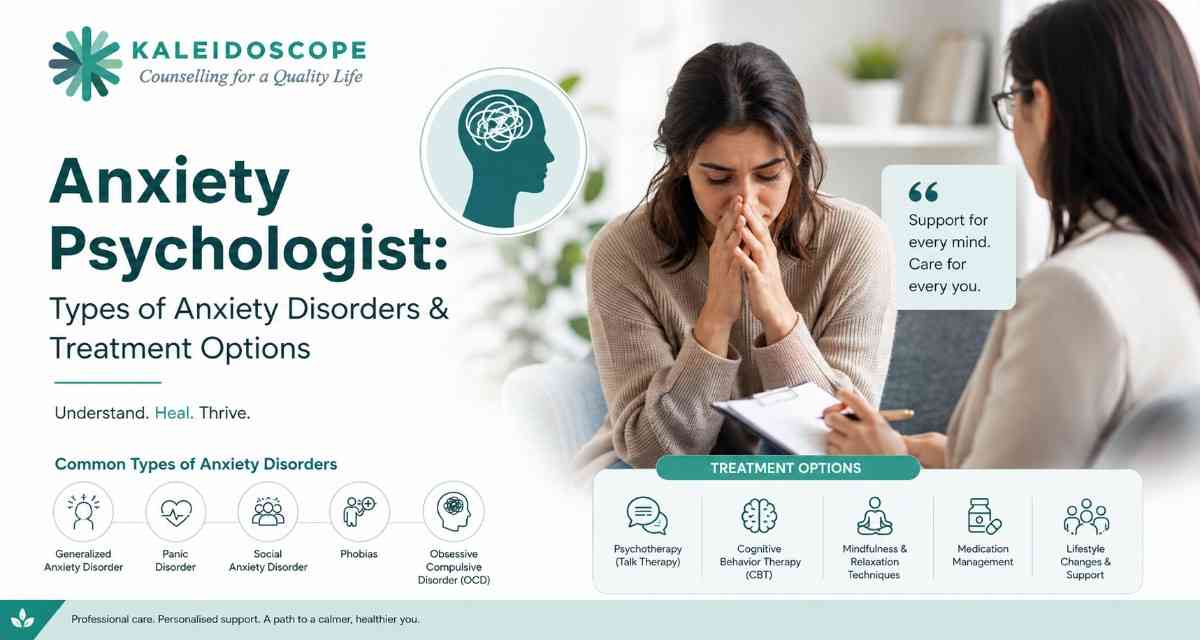
OCD treatment can involve psychotherapy, medication, or a combination of both. The appropriate approach depends on the person's symptoms, level of distress, treatment response, and individual needs.
1. Cognitive Behavioral Therapy (CBT)
Cognitive Behavioral Therapy is an established psychological treatment for OCD. It helps people understand how obsessive thoughts and compulsive behaviors can reinforce each other. Through therapy, individuals can learn healthier ways to respond to distressing thoughts and reduce behaviors that maintain the OCD cycle.
2. Exposure and Response Prevention (ERP)
Exposure and Response Prevention is a specialized form of CBT commonly used to treat OCD. ERP involves gradually facing thoughts, situations, or triggers that cause anxiety or discomfort while learning not to perform the usual compulsive response. With repeated practice, this can help people manage anxiety and reduce their reliance on compulsions.
3. Medication
Medication may be recommended for some people with OCD, particularly when symptoms are persistent or significantly affect daily functioning. SSRIs are among the medications commonly used for OCD. A qualified healthcare professional can determine whether medication is appropriate and monitor the person's response and any side effects.
4. Combination of Therapy and Medication
For some individuals, psychotherapy and medication may be used together. Combining treatments may provide additional support for managing OCD symptoms. The treatment plan can be adjusted over time based on symptom severity, progress, and how the person responds to care.
Benefits of OCD Treatment
- Can help reduce intrusive thoughts and compulsive behaviors
- May reduce distress and anxiety related to OCD symptoms
- Can help improve daily functioning
- May make it easier to manage OCD triggers
- Can support healthier routines and coping skills
- May improve overall quality of life
- Can help people feel more confident managing their symptoms
Can OCD Be Treated In Children And Teenagers?
OCD can affect children and teenagers as well as adults. Symptoms may sometimes be harder to recognize because younger people may not understand why they experience certain thoughts or feel compelled to perform particular rituals.
Children may also depend on parents or caregivers for support during treatment. Mental health professionals can help families understand symptoms and develop age-appropriate strategies.
Treatment for younger patients should consider developmental stage, family circumstances, symptom severity, and the child's ability to participate in therapy. Children with OCD may need additional support from families and healthcare professionals.
How Can You Prepare For An OCD Evaluation?
Preparing a few details before an appointment can make the discussion more useful. You do not need to diagnose yourself before speaking with a professional.
- Note when your symptoms first started.
- Write down the intrusive thoughts, urges, or images you experience.
- Describe any compulsive behaviors or mental rituals you perform.
- Note how often symptoms occur and how much time they take.
- Identify situations that may trigger or worsen your symptoms.
- Explain how symptoms affect your daily activities, work, school, or relationships.
- Bring information about previous therapy or medications.
- Make a list of your current medications and relevant health conditions.
Being open about intrusive thoughts can feel uncomfortable. However, mental health professionals regularly discuss these symptoms and can approach them without judgment.
When Should You Consider Professional Support For OCD?
At Frisco Mental Health, understanding when OCD symptoms may require professional attention can help individuals recognize when additional support could be beneficial. There is no single point at which everyone with OCD should seek professional support. However, help may be worth considering if intrusive thoughts or compulsive behaviors persist or begin affecting important areas of your life.
Some signs that professional support could be helpful include spending excessive time on compulsions, avoiding everyday activities because of OCD symptoms, experiencing significant distress, or finding it difficult to manage symptoms on your own.
If you are unsure whether professional support is appropriate, discussing your concerns with a qualified healthcare professional can help you better understand your symptoms.
What Happens During OCD Care?
Your first appointment may focus on understanding your OCD symptoms, personal history, and how symptoms affect your daily life. Your provider may use this information to help determine an appropriate treatment approach.
OCD treatment may involve:
Assessing your symptoms and how they affect daily functioning
- Discussing your treatment goals and concerns
- Using evidence-based psychotherapy, such as CBT with ERP
- Considering medication when appropriate
- Monitoring your symptoms and treatment response
- Adjusting the treatment approach based on your individual needs
Schedule OCD Care In Frisco, TX
If you or your loved one is experiencing OCD symptoms and would like to discuss your concerns, our expert psychiatrists can help you understand your symptoms and take the next step toward better mental well-being.
Phone: +1 214-551-7407
Email: [email protected]
Appointment: https://myfriscocare.com/schedule-an-appointment/
Final Thoughts
OCD is a treatable mental health condition that can involve intrusive thoughts, compulsive behaviors, avoidance, and ongoing distress. Evidence-based approaches such as cognitive behavioral therapy, including ERP, and medication may help reduce symptoms and improve daily functioning.
Treatment needs vary from person to person. The appropriate approach depends on symptom severity, health history, treatment response, and individual circumstances. Understanding OCD and seeking appropriate support can help people take informed steps toward better mental well-being.
If OCD is affecting your daily life, contact our expert psychiatrists for professional support to help you feel better and move forward with greater confidence.
Frequently Asked Questions (FAQs)
Can OCD Get Better Without Treatment?
Some people experience changes in symptom severity over time, but persistent OCD can continue affecting daily life. Professional treatment can provide structured strategies for managing symptoms.
What If I Feel Embarrassed About My OCD Thoughts?
You do not need to feel ashamed of intrusive thoughts. Mental health professionals are trained to discuss sensitive symptoms without judgment and can help distinguish unwanted thoughts from intentions.
Can OCD Symptoms Be Treated Without Medication?
Yes. Psychotherapy, particularly CBT with ERP, is an established treatment approach for OCD. Depending on the individual, therapy may be used alone or alongside medication.
At What Age Does OCD Typically Start?
OCD can begin as early as preschool and continue into adulthood. Most people are diagnosed around age 19, with earlier onset more common in males and later onset in females.
Is OCD Different In Children And Adults?
The core symptoms are similar, but children may have difficulty recognizing their thoughts or behaviors as excessive or unreasonable.
Medical Disclaimer
This article is provided for general educational purposes only and does not replace professional medical advice, diagnosis, or treatment. OCD symptoms and treatment needs vary from person to person. Consult a qualified healthcare professional for personalized evaluation and guidance.